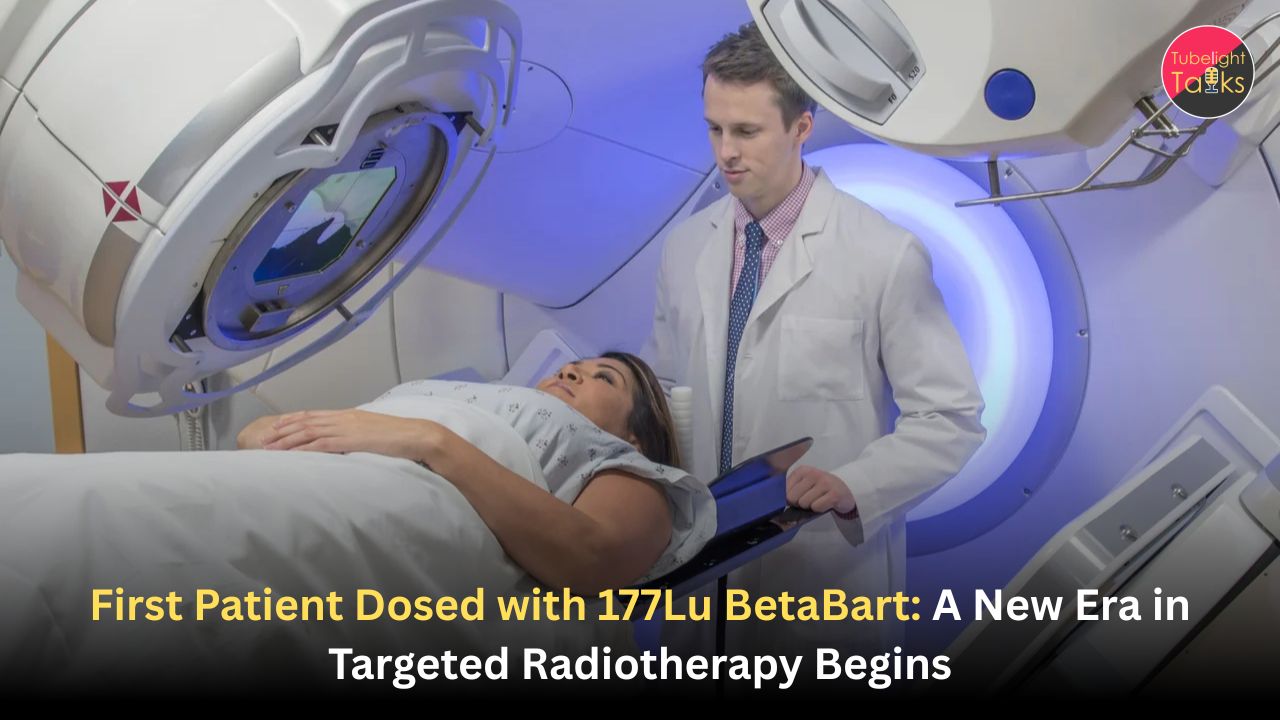
First-Ever Radiotherapy Cancer Patient Dosed: A Clinical Milestone
In a breakthrough moment for oncology, Radiopharm Theranostics has announced the dosing of the first human patient with 177Lu BetaBart, a novel targeted radiotherapy developed in collaboration with MD Anderson Cancer Center. Unlike traditional radiation therapy, which can affect surrounding healthy tissue, this therapy is engineered to seek out aggressive tumor cells and deliver radiation with precision.
Preclinical studies demonstrated measurable tumor shrinkage, building confidence for the transition into human clinical trials. For patients battling hard-to-treat cancers, this milestone represents more than a scientific achievement—it signals a new direction toward smarter, less toxic treatment strategies.
What Is 177Lu BetaBart?
A targeted radiopharmaceutical
177Lu BetaBart is part of a growing class of treatments known as radiopharmaceutical therapies. These therapies combine:
- A targeting molecule that binds to cancer cells
- A radioactive isotope (in this case, Lutetium-177)
- A delivery system that minimizes exposure to healthy tissue
The goal is precision. Instead of exposing the entire body to radiation or chemotherapy, the drug circulates until it locks onto specific tumor markers, releasing radiation exactly where it is needed.
Why Lutetium-177?
Lutetium-177 is widely used in targeted radiotherapy because it emits beta particles that can effectively destroy cancer cells while limiting penetration depth—reducing damage to nearby healthy tissue.
Its properties make it suitable for treating metastatic or difficult-to-reach tumors.
Why This Milestone Matters
Transition from lab to human trials
Preclinical studies reportedly showed tumor shrinkage in aggressive cancer models. Moving from laboratory success to human dosing marks a critical validation stage.
Clinical trials will now evaluate:
- Safety and tolerability
- Optimal dosage levels
- Tumor response in human patients
- Potential side effects
This step transforms theory into practical medical investigation.
A “heat-seeking missile” approach
Traditional chemotherapy circulates throughout the body, often harming healthy cells and causing significant side effects. External beam radiation, while localized, can still impact surrounding tissues.
Targeted radiopharmaceuticals act more like guided missiles—binding to tumor cells before delivering radiation. The aim is maximum impact with minimal collateral damage.
Also Read: Alzheimer’s Breakthrough: Reversing the “Clumping” Process
The Broader Context: Evolution of Cancer Treatment
Cancer therapy has evolved significantly over decades:
- Surgery
- Chemotherapy
- Radiation therapy
- Immunotherapy
- Targeted molecular therapy
Radiopharmaceuticals represent a convergence of targeted therapy and radiation—combining precision biology with controlled radioactive power.
This hybrid strategy may be especially promising for cancers resistant to conventional treatments.
Potential Benefits for Patients
If successful in clinical trials, therapies like 177Lu BetaBart could offer:
- Reduced systemic toxicity
- Fewer severe side effects
- Improved quality of life during treatment
- Greater effectiveness against metastatic disease
Patients with advanced or treatment-resistant tumors stand to benefit the most from innovations that attack cancer at the cellular level.
Challenges Ahead
While promising, several hurdles remain:
- Monitoring long-term safety
- Preventing unintended radiation exposure
- Ensuring scalable manufacturing
- Securing regulatory approvals
Clinical trials are rigorous and can take years. However, dosing the first patient represents a crucial first step in validating the therapy’s real-world potential.
Why This Story Is Trending
In a world often overshadowed by conflict and crisis, medical breakthroughs offer universal hope. Cancer affects millions of families globally, making advancements in treatment deeply personal and widely celebrated.
The move to human trials signals progress—not just in laboratory research but in tangible patient care.
Precision in Medicine, Purpose in Life
Modern medicine increasingly values precision—targeting disease without harming the whole body. In spiritual teachings shared by Sant Rampal Ji Maharaj, a similar emphasis is placed on addressing root causes rather than surface symptoms. Just as targeted radiotherapy aims to remove harmful cells while preserving health, inner discipline and clarity aim to remove harmful tendencies while preserving human dignity.
Healing—whether physical or spiritual—requires accuracy, patience, and unwavering commitment.
FAQs: Radiopharmaceutical Therapy Using Lutetium 177
1. What is 177Lu BetaBart?
It is an experimental targeted radiopharmaceutical therapy using Lutetium-177 to deliver radiation directly to tumor cells.
2. Why is dosing the first patient significant?
It marks the transition from laboratory research to human clinical trials.
3. How is this different from traditional radiation therapy?
It targets tumor cells specifically, reducing damage to surrounding healthy tissue.
4. Is this treatment approved for general use?
No. It is currently in early-stage clinical trials.
5. Who developed this therapy?
Radiopharm Theranostics in partnership with MD Anderson Cancer Center.
Related Stories










Discussion (0)