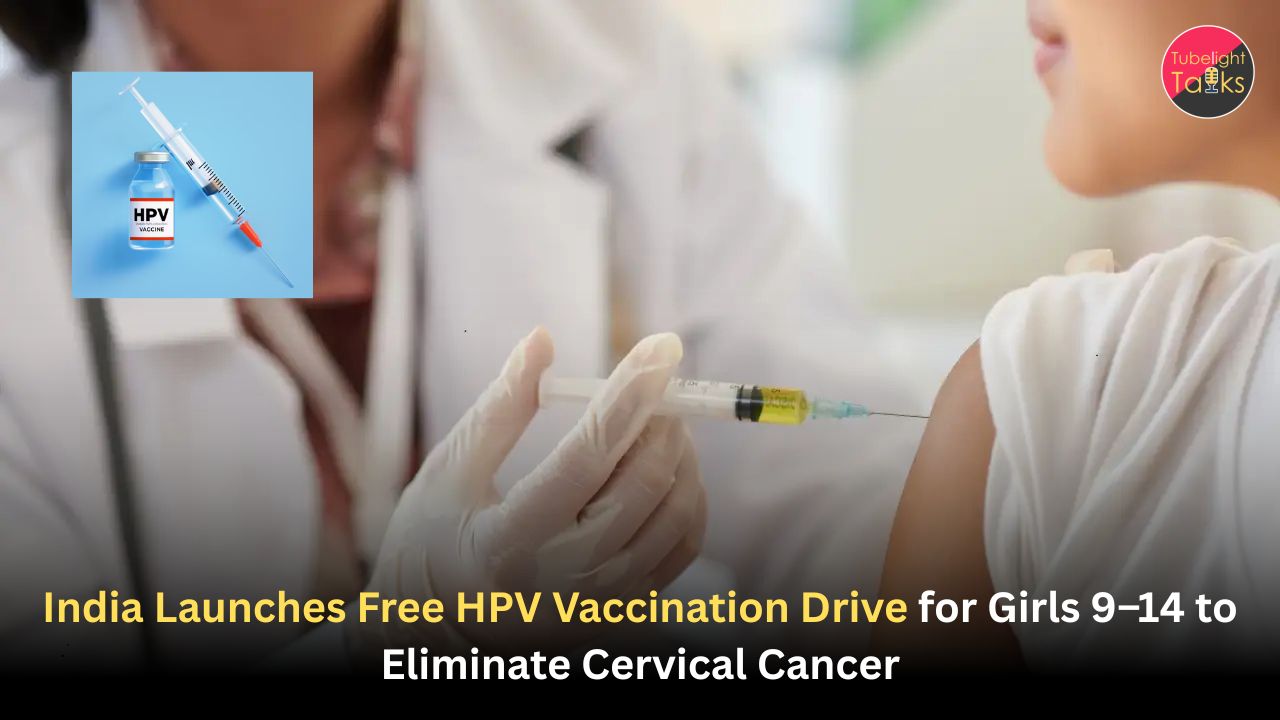
India’s “Cancer Shield”: Free HPV Vaccines for Adolescent
In one of the most significant preventive healthcare decisions in recent years, India’s Union Health Ministry has launched a nationwide program offering free Free HPV Vaccination to girls aged 9–14. The initiative represents a bold commitment to eliminating cervical cancer – a disease that continues to claim thousands of lives annually in India.
By targeting adolescent girls before potential exposure to HPV, the program aims to build long-term immunity and drastically reduce future cancer cases. Public health experts are calling this a historic milestone, marking a decisive shift from reactive treatment to proactive prevention in women’s healthcare.
Why Cervical Cancer Prevention Matters
The burden of cervical cancer in India
Cervical cancer remains one of the leading causes of cancer-related deaths among Indian women. Despite medical advancements, late diagnosis and limited awareness have historically increased mortality rates.
The disease is primarily caused by persistent infection with high-risk strains of the Human Papillomavirus (HPV). Since HPV infection often occurs silently without early symptoms, vaccination before exposure becomes the most effective preventive strategy.
The power of vaccination
HPV vaccines have been globally recognized for their ability to prevent the majority of cervical cancer cases. Countries that implemented early vaccination drives have already witnessed a dramatic decline in HPV infections and pre-cancerous lesions.
India’s nationwide rollout signals alignment with global preventive health strategies, but on a scale tailored to its population needs.
What the Government’s Program Includes
Target group: Girls aged 9–14
Medical guidelines recommend HPV vaccination before potential exposure to the virus. The 9–14 age group ensures maximum immune response and long-term protection.
By offering vaccines free of cost, the government removes one of the biggest barriers – affordability.
Nationwide coverage
The program is designed for implementation across states, integrating with school-based health initiatives and existing immunization networks.
This ensures equitable reach – from urban centers to rural villages – so that economic background does not determine protection.
Also Read: First-Ever Radiotherapy Cancer Patient Dosed: A Clinical Milestone
Why Experts Call This a Historic Preventive Win
Shifting from cure to prevention
Healthcare systems often focus on treatment after diagnosis. This initiative emphasizes stopping the disease before it begins.
Preventive vaccination reduces:
- Future medical expenses
- Emotional and physical suffering
- Healthcare system burden
Such forward-thinking policy could significantly lower cervical cancer incidence within a generation.
Empowering women through health security
Cervical cancer disproportionately affects women in low-resource settings. By guaranteeing free vaccination, the program strengthens gender-focused healthcare equity.
This move recognizes that women’s health is not a niche issue – it is a national priority.
Long-Term Impact on Public Health
Potential elimination of cervical cancer
With high vaccination coverage, experts believe cervical cancer could become rare in future decades.
Global health studies indicate that sustained HPV vaccination combined with regular screening can nearly eliminate the disease as a public health threat.
Economic benefits
Preventing cancer reduces long-term treatment costs, productivity loss, and financial strain on families.
Investing in vaccination today creates both health and economic dividends for tomorrow.
Challenges and Awareness Efforts
While the policy is groundbreaking, its success depends on:
- Parental awareness and acceptance
- Effective distribution logistics
- Addressing myths and misinformation about vaccines
Public education campaigns will be critical to achieving high coverage rates.
A Broader Reflection on Protection and Responsibility
Prevention reflects foresight. Just as vaccines protect the body before illness strikes, responsible decisions protect society before crises emerge. In spiritual teachings shared by Sant Rampal Ji Maharaj, emphasis is placed on safeguarding life, practicing compassion, and taking responsible action for collective welfare. Protecting young girls from preventable disease aligns with the broader principle of serving humanity through awareness and care.
True progress is not only technological – it is moral and compassionate.
FAQs: Free HPV Vaccination
1. What age group is eligible for the free HPV vaccine?
Girls aged 9–14 years.
2. What does the HPV vaccine prevent?
It protects against high-risk strains of Human Papillomavirus that cause cervical cancer.
3. Why is vaccination recommended at a young age?
It provides maximum immunity before potential exposure to the virus.
4. Is the vaccine safe?
HPV vaccines have been widely studied and globally recognized as safe and effective.
5. Can this program eliminate cervical cancer?
With high coverage and continued screening, experts believe cervical cancer could be nearly eliminated in future generations.
Related Stories




Discussion (0)