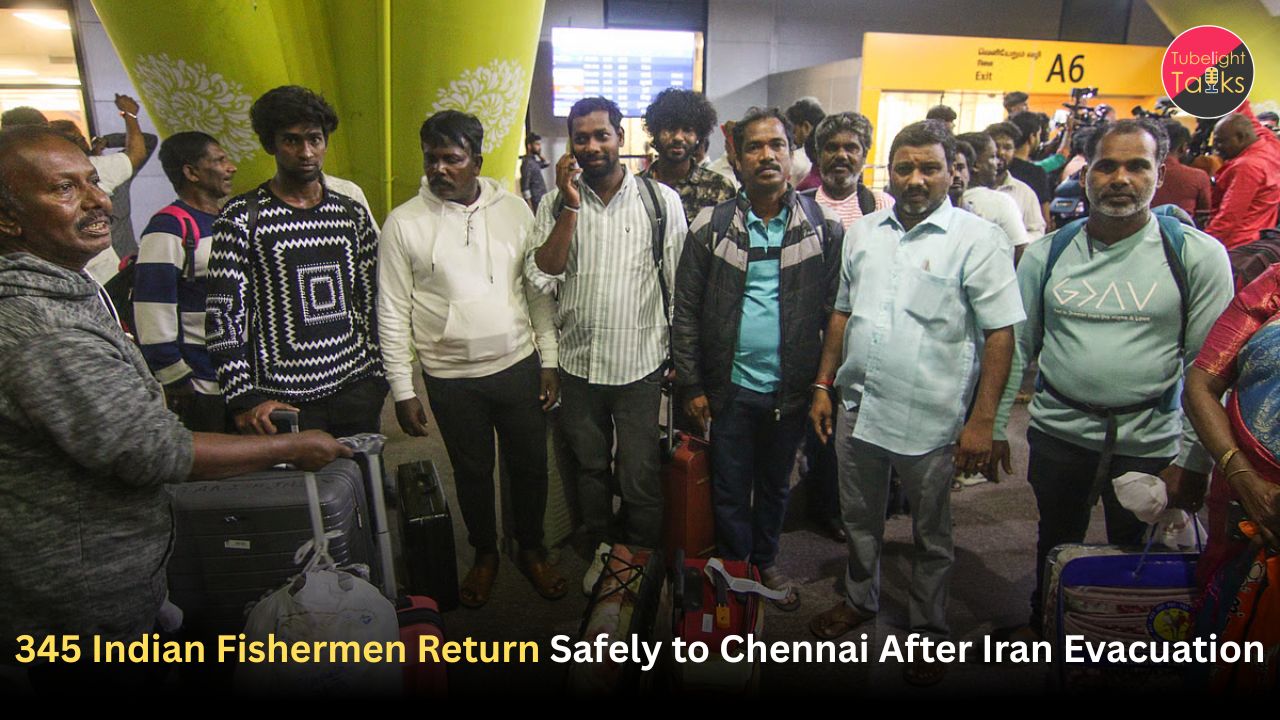
345 Indian Fishermen Return Safely to Chennai After Iran Evacuation via Armenia
345 Indian Fishermen Return safely to India, arriving in Chennai on Saturday evening after being evacuated from Iran through Armenia. The return was publicly confirmed in current reporting, and External Affairs Minister S. Jaishankar thanked Armenian Foreign Minister Ararat Mirzoyan and the Armenian government for facilitating the evacuation route.
A successful evacuation after being stranded in a conflict zone
The fishermen were caught in Iran as the West Asia conflict intensified, making safe movement difficult and creating urgent pressure for evacuation. A government statement cited in current reporting said the group was returning home via Armenia and was expected to reach India the same evening, which they did.
Their arrival in Chennai turned the operation into one of the most visible recent civilian evacuations linked to the West Asia crisis. Current reports said the group landed safely in Chennai after transit through Armenia, with the route made possible by diplomatic coordination and safe passage arrangements.
Armenia’s role became central to the rescue
The Armenian government’s role was formally acknowledged by India. Jaishankar said he thanked Ararat Mirzoyan and the Government of Armenia for facilitating the evacuation of Indian fishermen from Iran through Armenia to India. That makes Armenia’s role not just incidental transit support, but a recognized diplomatic contribution to the rescue.
This matters because India’s broader evacuation effort from Iran has depended on overland exits through neighboring countries. An earlier PIB briefing said the Embassy of India in Tehran had already facilitated the movement of 1,171 Indian nationals out of Iran through land borders into Armenia and Azerbaijan, including 977 through Armenia alone.
Also Read: Iran Pushes Back Against Trump’s 48-Hour Ultimatum as Retaliation Threats Rise
Part of a larger Indian effort to protect nationals in West Asia
The fishermen’s return also reflects a wider Indian response to the regional crisis. The government statement cited in current reporting said the Ministry of External Affairs continues to monitor the evolving West Asian situation closely, with the safety, security and welfare of the Indian community being given the highest priority.
That broader context is important because the Chennai arrival was not an isolated event. It was part of an ongoing evacuation architecture involving embassy coordination, land-border transit, partner-country assistance and onward flights back to India. The fishermen’s safe return is therefore both a humanitarian relief story and a diplomatic success story.
A moment of relief for families
For the families waiting in India, the return of all 345 fishermen safely to Chennai was the most important outcome. Current reporting emphasized the safe arrival and the sense of relief surrounding the operation after the uncertainty created by the conflict.
Safe return and human responsibility
When people are trapped by war, their rescue becomes more than an administrative task. It becomes a test of responsibility, compassion and timely action. In such moments, the greatest success is not political messaging but the safe return of human lives to their families.
Call to Action
The safe arrival of these fishermen should also remind citizens to follow verified government advisories during international crises and to pay attention to embassy instructions abroad. In volatile situations, timely coordination and trusted channels can make the difference between prolonged danger and safe return.
FAQs: 345 Indian Fishermen Return Safely
1. How many Indian fishermen returned from Iran?
A total of 345 Indian fishermen returned safely to India.
2. Where did they arrive in India?
They arrived in Chennai on Saturday evening.
3. Which country helped facilitate the evacuation route?
Armenia helped facilitate the evacuation route from Iran to India.
4. Did S. Jaishankar acknowledge Armenia’s help?
Yes. He publicly thanked Armenian Foreign Minister Ararat Mirzoyan and the Armenian government for facilitating the evacuation.
5. Was this part of a larger evacuation effort from Iran?
Yes. PIB said India had already facilitated the exit of 1,171 Indian nationals from Iran through Armenia and Azerbaijan.
6. Why were the fishermen stranded?
They were stranded amid the ongoing West Asia conflict and the worsening security situation in Iran.
Related Stories







Discussion (0)