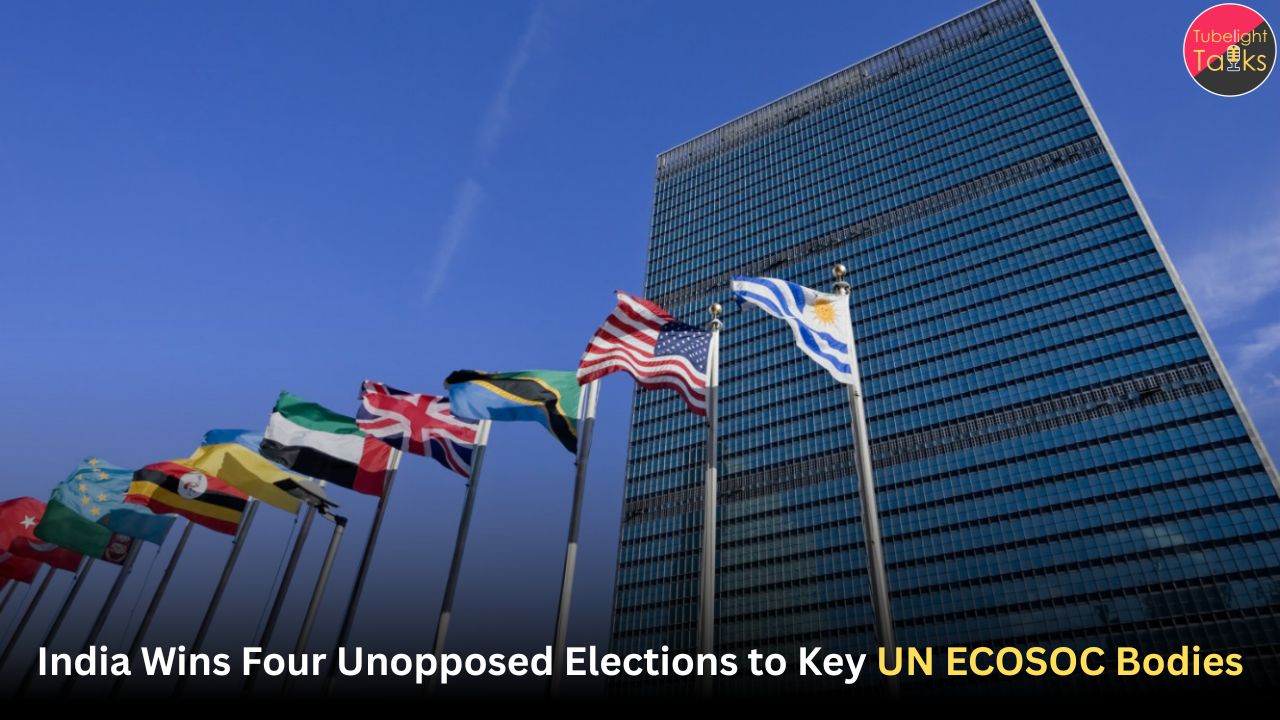
Diplomatic Victory: India Sweeps Four Unopposed UN ECOSOC Elections
India has won four unopposed elections to bodies linked to the United Nations Economic and Social Council, underscoring the country’s continuing diplomatic reach in multilateral forums. According to DD News, former senior diplomat Preeti Saran was re-elected to the Committee on Economic, Social and Cultural Rights, while India also won seats in the Commission on Science and Technology for Development, the Committee on NGOs and the Committee for Programme and Coordination.
Why this matters
Winning by acclamation or without contest carries symbolic value. It suggests that India faced no resistance for these positions and retains broad acceptance across member states for work in development, rights, science policy and UN coordination. These bodies may not always dominate headlines, but they influence agendas that matter to the Global South, civil society engagement and long-term multilateral governance.
What this says about India’s diplomacy
India’s recent multilateral positioning has combined development advocacy, technology diplomacy and South-South cooperation. Success in these ECOSOC-linked elections strengthens that profile. It also gives India more institutional voice in committees that shape how development and social priorities are debated inside the UN system.
Also Read: Economic Milestone: World Bank Upgrades India’s Growth Outlook
India’s Multilateral Standing Gets a Quiet but Strong Boost
Unopposed victories in UN ECOSOC-linked bodies may not create the same headlines as summit diplomacy, but they matter deeply in international governance. These institutions influence discussions around development, social priorities, science cooperation and civil society participation. By securing these positions without contest, India signals that it retains broad diplomatic acceptability across a wide range of member states. That kind of institutional trust is important for a country that increasingly presents itself as a voice for the Global South.
Why These Elections Matter for Policy Influence
Seats in such bodies help shape agenda-setting power rather than immediate headline power. They allow India to participate more directly in conversations around development financing, rights frameworks, technology cooperation and NGO engagement within the UN ecosystem.
At a time when global governance is under strain, these wins strengthen India’s ability to influence outcomes from within the system rather than only commenting from outside. It is a reminder that diplomacy is often built through steady committee work as much as through major speeches.
Recognition, humility and Sat Gyaan
International recognition is meaningful, but spiritual wisdom reminds us that prestige should deepen responsibility, not pride. Sant Rampal Ji Maharaj teaches that true greatness lies in service, humility and truth. In diplomacy too, influence becomes noble only when it is used for peace, justice and collective welfare rather than image-building alone.
Call to Action
Celebrate achievements, but value responsible leadership
Support India’s global achievements while also expecting ethical diplomacy, peaceful engagement and principled representation in international institutions.
FAQs: India Wins Four Unopposed Elections to Key UN ECOSOC Bodies
Q1. How many ECOSOC-related elections did India win?
India won four unopposed elections.
Q2. Which Indian diplomat was re-elected?
Preeti Saran was re-elected to the Committee on Economic, Social and Cultural Rights.
Q3. Why is this important?
It strengthens India’s voice in multilateral development and social policy discussions.
Related Stories





Discussion (0)