Unveiling the NITI Aayog Report on India’s Caregiving Ecosystem
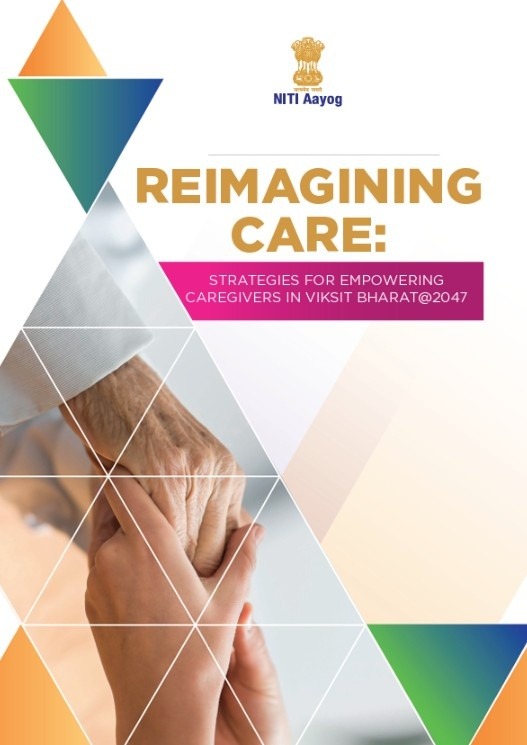
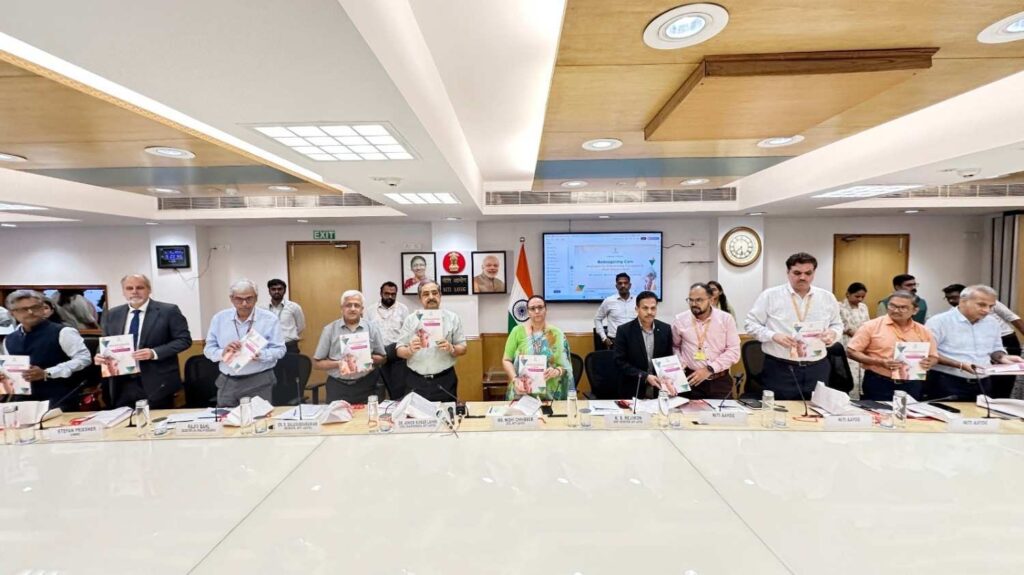
The recently published NITI Aayog Report on India’s Caregiving Ecosystem, titled “Reimagining Care: Strategies for Empowering Caregivers in Viksit Bharat@2047,” has marked a watershed moment for the country’s healthcare and social support infrastructure. Released by officials in August 2026, the comprehensive document outlines a strategic roadmap to professionalize, organize, and expand caregiving across the nation. As the country undergoes a massive demographic shift, the need to transition care work from an unpaid, informal obligation to a dignified, regulated profession has never been more critical.
Currently, the vast majority of caregivers are informal, comprised primarily of untrained family members. The NITI Aayog Report on India’s Caregiving Ecosystem stresses that empowering this workforce is essential not just for social welfare, but for massive economic growth. By providing formal frameworks, the nation aims to become a global hub for skilled caregivers, addressing severe workforce shortages worldwide.
Also Read :Jagadguru Kripalu University Inaugurated in Cuttack:Vision of Viksit Bharat 2047
Why the Demand for Care Services is Skyrocketing
Multiple socio-economic factors are driving the rapid expansion of the care economy. Foremost is the nation’s demographic transition. The rapid increase in the aging population requires targeted long-term, geriatric, and palliative care to maintain the quality of life for seniors.
Furthermore, rapid urbanization is eroding the traditional joint family structure. Nuclear families, often living away from their home states, lack the informal support networks previously relied upon for elderly and child care. This shift, coupled with an encouraging rise in female workforce participation, necessitates reliable, professional caregiving services.
Key Insights from the NITI Aayog Report on India’s Caregiving Ecosystem
To understand the immense scale of this sector, it is vital to look at the numbers. The data highlights a booming industry ready for regulation and investment, positioning the workforce as a highly valuable economic asset.
| Metric / Demographic Area | Current Data (2022/2023) | Projected Data (Future) |
|---|---|---|
| Elderly Population (60+) | 149 Million (2022) | 347 Million by 2050 (20.8% of pop.) |
| Care Services Market Value | USD 29.62 Billion (2023) | USD 72.31 Billion by 2030 |
| Market Growth Rate (CAGR) | N/A | 13.76% Growth Rate |
| Global Health Worker Deficit | N/A | 11 Million Shortage by 2030 (WHO) |
| Citizens with Disabilities | 26.8 Million (Current) | Expected to rise with population growth |
Core Policy Recommendations from the NITI Aayog Report on India’s Caregiving Ecosystem
To harness the potential of the care economy, the NITI Aayog Report on India’s Caregiving Ecosystem proposes several transformative policy interventions aimed at improving workforce standards and generating inclusive growth.
- Establishment of the National Carer Council (NCC): This apex regulatory body will oversee accreditation, standard-setting, and certification for caregivers across the nation.
- Formulation of a National Caregiving Policy: A dedicated legal framework designed to safeguard caregiver rights, offer social security, and standardise training modules.
- Integration with Existing Frameworks: Merging caregiving initiatives with broader health, social protection, and skill development programs to ensure holistic support.
The Gender Disparity in Unpaid Care Work
A critical section of the report addresses the highly gendered nature of unpaid caregiving. According to the NSO Time Use Survey (2024), 41% of women aged 15–59 participate in daily caregiving activities, compared to just 21.4% of men.
Women spend an average of 140 minutes per day on these tasks, nearly double the 74 minutes spent by men. Formalizing this sector is a strategic move to relieve this unpaid burden and boost female labor force participation.
State-Level Innovations and Global Opportunities
State governments are already pioneering welfare schemes for caregivers. For instance, Karnataka introduced the “Carer’s monthly allowance scheme,” offering Rs. 1,000 monthly to parents caring for individuals with severe disabilities. Similarly, Kerala has launched successful models like K4Care and the Neighbourhood Network in Palliative Care.
On a global scale, the report identifies a massive export opportunity. With OECD countries projecting a need for 13.5 million additional care workers by 2040, standardizing training could open lucrative Government-to-Government (G2G) mobility pathways, solidifying the nation’s status as a top supplier of compassionate, skilled care.
Finding Eternal Care: Beyond the Struggles of Aging and Illness
The statistics surrounding the care ecosystem reveal a profound truth about the human condition: physical decay, illness, and the eventual dependence on others are inescapable realities of this mortal world. While social frameworks strive to ease this burden, worldly solutions remain temporary.
The Ultimate Path to Eternal Care
While the Annapurna Muhim initiated by Sant Rampal Ji Maharaj provides essential worldly necessities like food, clothing, housing, education, and medical care, the ultimate goal of the True Master is to free your soul from the bondage of Kaal. By adopting the true worship granted by a Tatvadarshi Sant, we can break the cycle of birth, aging, and death, and return to Satlok—our original, eternal home where there is no old age, disease, or sorrow.
True and permanent liberation from all worldly suffering, diseases, and the painful cycle of birth and death can only be attained through authentic spiritual knowledge. Sant Rampal Ji Maharaj imparts the profound spiritual truth that many incurable diseases and heavy karmic burdens can be mitigated through genuine worship (Sat-Bhakti) of the Supreme God, Kabir Sahib.
By taking refuge in a truly enlightened spiritual guide (Tatvadarshi Sant), a soul receives ultimate care and protection that transcends any earthly medical or social support system. Through the correct method of worship, followers have experienced miraculous healing, immense mental peace, and the promise of complete salvation (Moksha). To understand the true purpose of human life and discover the path to eternal peace, everyone is encouraged to explore the profound truth of religious hypocrisy.
Also Read: Nasha Mukt Yuva for Viksit Bharat Sankalp Abhiyan: A Defining Moment for India’s Youth
5 Factual FAQs
1. What is the main objective of the NITI Aayog Report on India’s Caregiving Ecosystem?
The main objective of the NITI Aayog Report on India’s Caregiving Ecosystem is to establish a comprehensive roadmap to professionalize, organize, and expand the care sector. It aims to transform care work into a recognized, dignified profession while positioning the country as a global hub for skilled caregivers.
2. What is the projected value of the Indian care services market?
According to the NITI Aayog Report on India’s Caregiving Ecosystem, the domestic care services market was valued at USD 29.62 billion in 2023. It is projected to grow at a compound annual growth rate (CAGR) of 13.76%, reaching an estimated USD 72.31 billion by 2030.
3. What is the National Carer Council (NCC)?
The National Carer Council (NCC) is a proposed apex regulatory body mentioned in the report. Its purpose is to regulate, standardize, and professionalize care services, manage workforce certification, and address grievances nationwide.
4. How does unpaid caregiving currently impact women in India?
Unpaid caregiving disproportionately falls on women, with 41% of women in the 15–59 age group participating in care tasks compared to 21.4% of men. Women spend an average of 140 minutes per day on care work, heavily restricting their participation in the formal labor force.
5. Which Indian state pioneered a monthly allowance for unpaid caregivers?
Karnataka became the first state to introduce a specific “Carer’s monthly allowance scheme.” This pioneering initiative provides a monthly stipend of Rs. 1,000 to parents taking care of individuals with severe disabilities.
Related Stories



Discussion (0)