Chennai Teen Swims Across Palk Strait, Redefining Autism and Ability in India
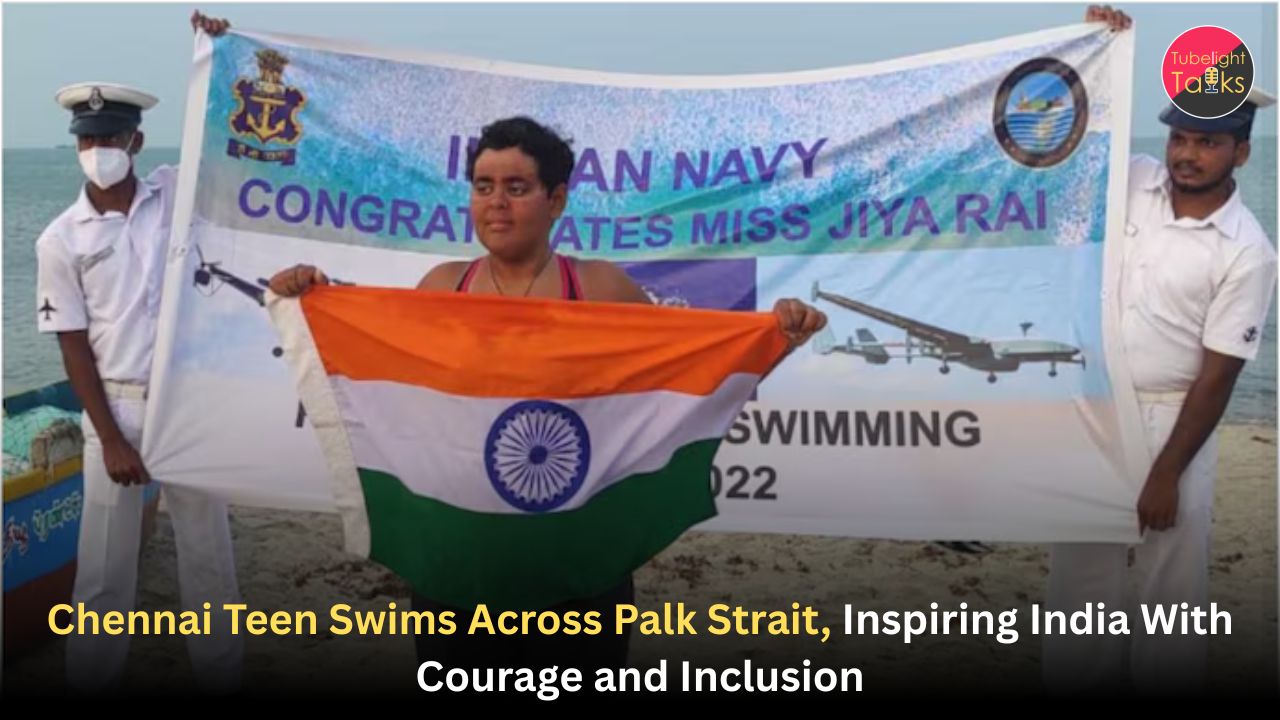
When a Chennai teen swims across Palk Strait, it is more than an athletic milestone—it becomes a moment of national inspiration. Haresh Barath Mohan, diagnosed with autism at a young age, completed the demanding 32 km stretch from Talaimannar to Dhanushkodi in 11 hours and 52 minutes, proving that resilience and the right support system can redefine perceived limitations.
The Sea Route That Tests Even Elite Swimmers
What and where is the Palk Strait?
The Palk Strait is a sea channel between southeastern India and northern Sri Lanka. It’s known for shallow waters, changing currents, and geography that can turn conditions unpredictable for swimmers.
When a swimmer attempts a crossing here, it isn’t just about distance. It’s about hours of navigation, waves that refuse to cooperate, and the mental stamina to keep breathing steady when the body starts demanding rest.
The crossing that made headlines
According to reports, Haresh began from Talaimannar in Sri Lanka and reached Dhanushkodi (near Rameswaram) after 11 hours and 52 minutes in the water, with windy conditions adding difficulty. His mother shared that they expected calmer seas but faced tougher weather than anticipated.
Record listings also describe the effort as non-stop open-sea swimming across the Palk Strait, confirming the measured distance and the date of the feat in October 2023.
Why This Story Resonates: Autism, Expectations, and Real Life
Autism is not one single experience
Autism spectrum disorder (ASD) is described as a diverse group of conditions involving differences in social interaction, communication, and behavior patterns that vary from person to person.
That “spectrum” word matters. It means abilities can look dramatically different across individuals—and sometimes within the same person across different environments. A classroom may feel overwhelming, while the rhythm of water and repetitive training can feel grounding.
The invisible battle behind visible achievement
In many families, the hardest part isn’t diagnosis—it’s daily life afterward: therapy schedules, school adjustments, social stigma, and the fear of being underestimated.
In Haresh’s case, swimming was recommended as an activity to help manage hyperactivity, and he developed a deep love for water. Despite struggling with the concept of competition, his stamina and determination stood out.
The Training Logic: Why Swimming Can Work for Some Neurodivergent Children
Predictable movement, measurable progress
Swimming is structured. Laps, strokes, breathing cycles, and distance targets create routine—something many autistic children find comforting. Progress is measurable and tangible.
Sensory regulation and focus
Many autistic individuals experience sensory differences. In water, some inputs soften: pressure is evenly distributed, body weight feels lighter, and repetitive motion can become calming.
Haresh’s journey reflects how a recommended activity evolved into a passion strong enough to attempt a demanding open-sea challenge.
What Made This Possible: Family and Coaching Support
The role of parents
Behind every achievement like this are years of commitment—practice sessions, health monitoring, emotional encouragement, and steady belief.
Haresh’s family supported his growth patiently, understanding that progress doesn’t follow a straight line.
Recognition matters
He reportedly received recognition from the Asia Book of Records for the swim. Recognition expands what society believes is possible for neurodivergent children.
Inclusion Is Not Charity: It’s a Right
India’s Rights of Persons with Disabilities Act, 2016, emphasizes equality, non-discrimination, dignity, and reasonable accommodation.
The Act also includes provisions encouraging participation of persons with disabilities in sporting activities and calls for inclusive infrastructure and recognition.
Stories like Haresh’s should not be treated as rare miracles. They should be treated as examples of what becomes possible when support systems function properly.
Support Systems Families Often Need
The UDID initiative
The Unique Disability ID (UDID) initiative aims to create a national database and provide identity cards to improve access to disability-related benefits and services.
Health coverage support
The Niramaya health insurance scheme under the National Trust ecosystem offers health insurance coverage up to ₹1 lakh for eligible persons with disabilities, easing the financial burden on families.
These frameworks are designed to ensure that families are not navigating the journey alone.
Neurodiversity and Capability Are Not Opposites
It’s tempting to frame this as “overcoming autism.” But a more respectful framing is this: he achieved greatly while being autistic.
Autism may include challenges—but it can also include strengths such as focus, persistence, and dedication to areas of interest.
Lessons Society Can Learn
- Progress is built in routine and patience.
- Coaches and institutions must practice reasonable accommodation.
- India needs more accessible sports ecosystems.
When facilities are inclusive and support is structured, more children can discover their strengths.
Inner Strength That Outlasts Any Ocean
People often ask where such strength comes from. Training builds stamina, but inner resilience sustains it. In spiritual teachings shared by Sant Rampal Ji Maharaj, emphasis is placed on inner steadiness, right conduct, compassion, and devotion so that a person remains strong despite life’s challenges. In that light, this swim becomes more than a physical accomplishment—it becomes a reminder that true courage begins within.
FAQs: Chennai Teen Swims Across Palk Strait
1. Who is the Chennai teen linked to the Palk Strait swim?
Haresh Barath Mohan, a Chennai teenager diagnosed with autism.
2. What did he achieve?
He swam approximately 32 km across the Palk Strait in 11 hours and 52 minutes.
3. Why is the Palk Strait swim difficult?
It involves unpredictable currents, wind conditions, and long hours in open water.
4. Does Indian law support sports inclusion for persons with disabilities?
Yes, the Rights of Persons with Disabilities Act, 2016 promotes equal participation in sports.
5. What is the UDID initiative?
It is a government program providing a Unique Disability ID card to streamline access to benefits for persons with disabilities.
Related Stories








Discussion (0)