Cyclone Gezani Batters Madagascar: Death Toll Rises as Relief Efforts Intensify
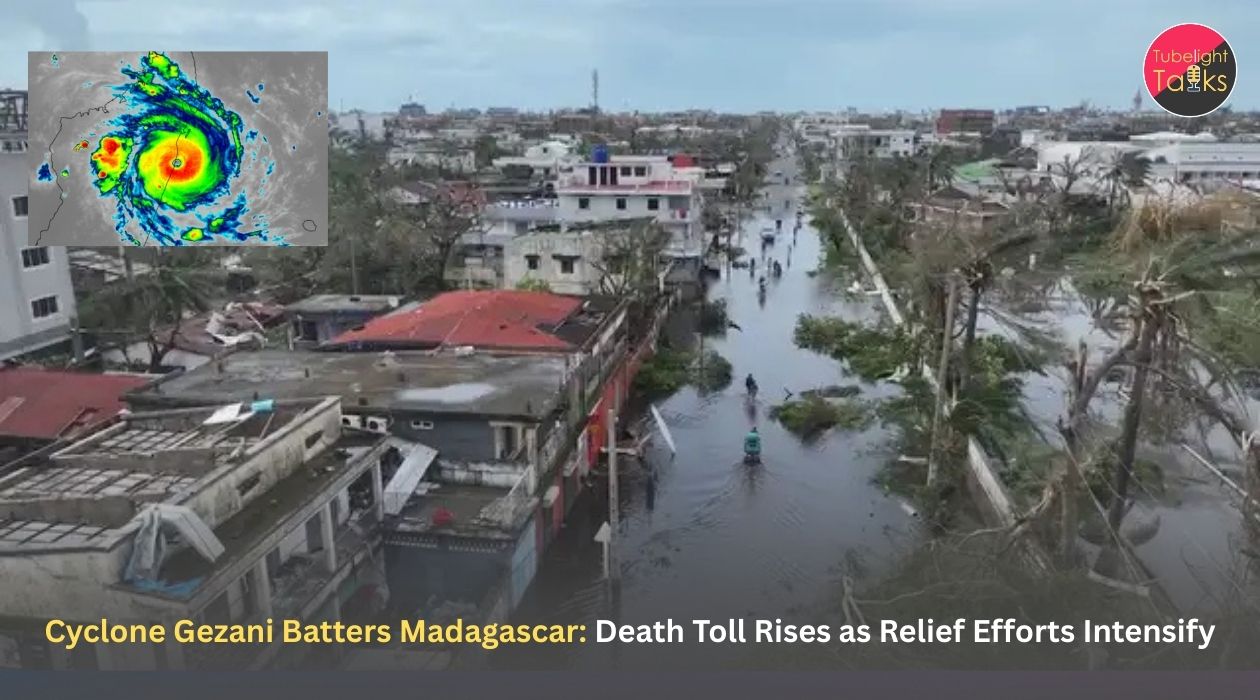
Cyclone Gezani has slammed into Madagascar’s east coast, tearing through the key port city of Toamasina and leaving a growing trail of loss. Authorities report at least 31 deaths, dozens seriously injured, and thousands displaced, with widespread damage to homes, power infrastructure, and essential services.
Even as winds ease inland, the danger hasn’t ended—flooding, flash floods, and landslides remain a major threat, and forecasts indicate the system could strengthen again after moving toward the Mozambique Channel. Relief teams are racing against time to restore basic lifelines and prevent a second wave of suffering.
Cyclone Gezani’s latest verified impact in Madagascar
Cyclone Gezani made landfall near Toamasina and carved a destructive path across Madagascar, collapsing structures, stripping roofs, uprooting trees, and cutting electricity across large areas. Officials have warned that the humanitarian situation can worsen quickly after landfall—especially in neighborhoods where housing is fragile and drainage systems are limited.
Death toll, injuries, missing persons, and displacement
Madagascar’s disaster management authorities report at least 31 deaths, with many fatalities linked to building collapses. Dozens have been seriously injured, and multiple people are still missing. Displacement has climbed into the thousands as families leave damaged homes or move into temporary shelters.
A resident description captured the intensity of the strike: “I have never experienced winds this violent,” one person told reporters as the cyclone made landfall and structures began to shake under the force.
How severe is the infrastructure damage in Toamasina?
Toamasina—Madagascar’s main port and one of its most strategically important cities—took the hardest hit. Reports indicate large-scale damage to city infrastructure, including power lines and public facilities, leaving many neighborhoods without electricity as assessment teams work to map the full scale of destruction.
Humanitarian reporting also warns of widespread damage to homes and public services, with thousands of structures affected—further pressuring schools, clinics, and emergency shelters already stretched thin.
Homes, schools, clinics—and why that matters after the winds stop
Early post-impact assessments highlight damage not only to housing but also to “service hubs” that keep communities functioning after a disaster—classrooms used as temporary shelters, clinics that treat injuries and prevent disease outbreaks, and water systems that reduce the risk of waterborne illness. Once these are hit, the crisis can shift from “storm damage” to “survival gap” within days.
Weather alerts: flooding and landslides remain a top risk
Even after peak winds, cyclone rainfall can be deadly—especially in hilly terrain and areas with weak slope protection. Official safety alerts warned of heavy rainfall capable of triggering flash floods and landslides, urging residents to follow local authority instructions closely.
Track and forecast: why the Mozambique Channel phase is critical
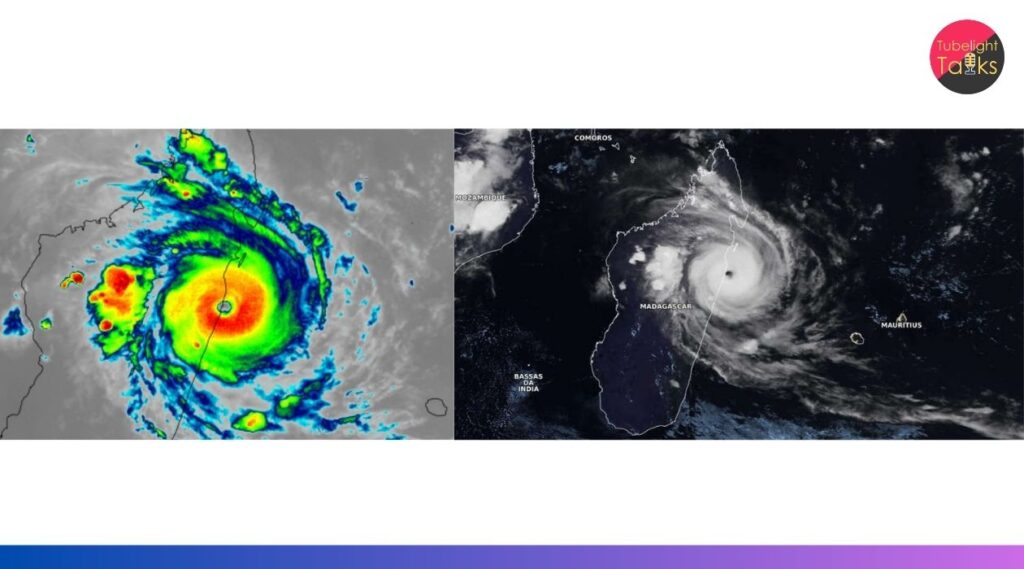
One of the most worrying cyclone patterns is re-intensification after land interaction—when a system moves back over warm waters. Tracking updates indicate Gezani’s winds have eased compared to landfall strength, but the system’s path toward/over the Mozambique Channel keeps the risk alive for renewed strengthening and fresh coastal impacts.
Relief efforts intensify: what’s being done right now
As search-and-rescue transitions into relief and recovery, three needs dominate: safe shelter, clean water, and rapid restoration of access routes (roads, port operations, communications).
UN emergency funding and anticipatory action
The UN Central Emergency Response Fund (CERF) released emergency funding for anticipatory action—support meant to reduce loss by pre-positioning supplies and readiness measures before or as impact hits. This is particularly vital when successive cyclones occur close together, exhausting local capacity.
Regional and humanitarian coordination signals
Cyclone response in Madagascar typically involves national agencies working alongside UN coordination mechanisms and Red Cross/Red Crescent networks. Public updates from humanitarian channels emphasize fast damage assessment, shelter support, and restoring water access to reduce secondary health risks.
IFRC Africa updates and early reporting
IFRC Africa has also posted updates as the cyclone approached/impacted, reflecting the role of Red Cross/Red Crescent networks in situation monitoring, public communication, and coordination for emergency assistance.
Why cyclones like Gezani turn deadly: wind, surge, and “after-storm” hazards
Cyclone Gezani isn’t only about peak wind speed. The real destruction often comes in layers:
- Wind damage: roofs, walls, power poles, trees, and flying debris
- Storm surge: coastal flooding that can push seawater into streets and homes
- Rainfall flooding: rivers rising, urban drainage collapse, flash floods
- Landslides: saturated slopes giving way without warning
Storm surge modelling has indicated measurable coastal surge risk around impacted coastal zones—another reminder that “water is the second punch” after wind.
Understanding “red alerts” and what they should trigger in real life
When authorities issue the highest-level alerts, the most practical translation is:
- Move away from coastline/riverbanks where feasible
- Avoid travel unless essential
- Charge phones/power banks when electricity is available
- Store safe water and protect food from contamination
- Identify the nearest safe building or designated shelter
Official security/weather alerts have emphasized the likelihood of widespread flooding and landslides under these conditions.
A survival checklist for the next 72 hours in cyclone-affected zones
If your community is affected by Cyclone Gezani or in the possible path of its next phase:
1) Shelter safety (first priority)
- Do not sleep under visibly cracked roofs or leaning walls
- Keep children away from damaged structures and hanging wires
- If winds return, stay in the most internal room available
2) Water safety (prevents disease spikes)
- Boil water if possible; if not, use treated/packaged supplies
- Keep drinking containers covered
- Do not let children play in floodwater (cuts/infections risk)
3) Electricity and debris
- Treat downed lines as live
- Avoid using generators indoors
- Wear closed shoes and gloves when clearing debris (if available)
4) Food and essentials
- Prioritise ready-to-eat items and protected staples
- Separate wet/contaminated supplies from dry food stock
These steps align with the risk profile highlighted in official alerts: heavy rainfall, flash floods, and landslides can escalate fast after landfall.
Food security: why damaged rice fields can raise prices quickly
Madagascar’s vulnerability isn’t only physical—it’s economic. When floodwaters hit agricultural zones and transport routes, market supply tightens. Humanitarian reporting has warned that cyclone-driven losses to crops and essential services can undermine food security, which is often the “silent crisis” after the headlines fade.
Rebuilding smarter: what resilience looks like in cyclone-prone Madagascar
Cyclone seasons will keep testing Madagascar, especially coastal urban centers like Toamasina. The most impactful resilience moves often include:
- Early warning + last-mile communication (alerts that reach every neighborhood)
- Cyclone shelters that are walkable, safe, and properly supplied
- Roof strengthening and safer construction for low-income housing
- Nature buffers (mangroves and coastal protection where feasible)
- Pre-positioned supplies so relief doesn’t wait for roads to reopen
International disaster policy discussions have repeatedly highlighted Madagascar’s extreme cyclone exposure and the value of faster preparedness and cooperation in recurring storm cycles.
Times of Disaster: Compassion, Right Conduct, and Collective Duty
When cyclones like Gezani strike, the most powerful human response is compassionate action—protecting life, serving those who have lost everything, and rebuilding with patience rather than panic. Sant Rampal Ji Maharaj’s teachings repeatedly emphasize righteous living rooted in compassion and non-violence, and practical goodness that shows up as real support for the suffering—food, care, and help without discrimination.
In the aftermath of a storm, this spirit translates into checking on neighbours, sharing safe water and essentials, supporting organized relief, and refusing exploitation or misinformation. Such “Sat Gyaan-based” conduct turns tragedy into unity and strengthens society from within.
Call to Action: Help Madagascar Recover After Cyclone Gezani
If you want to help after Cyclone Gezani, support credible, accountable response systems: humanitarian coordination updates, Red Cross/Red Crescent emergency platforms, and verified relief partners working on shelter, clean water, and medical support.
Also, share official alerts and safety guidance—especially flood and landslide warnings—so communities don’t face avoidable losses in the days after landfall. Every responsible donation, every accurate reshare, and every act of local solidarity can shorten recovery time and protect lives.
FAQs: Cyclone Gezani Batters Madagascar
1. What is Cyclone Gezani and where did it hit hardest?
Cyclone Gezani is a powerful tropical system that struck Madagascar, with the heaviest reported damage in the port city of Toamasina on the east coast.
2. How many people have died in Cyclone Gezani so far?
Authorities have reported at least 31 deaths, with injuries and missing persons also reported as assessments continue.
3. Why are floods and landslides still dangerous after the cyclone weakens?
Because heavy rainfall can continue inland, saturating slopes and overflowing rivers—triggering flash floods and landslides even after winds drop.
4. Is the cyclone expected to strengthen again?
Tracking updates indicate the system’s movement toward the Mozambique Channel can allow re-intensification over warm waters, depending on its exact path.
5. What immediate help is being mobilized?
UN emergency funding and humanitarian coordination are supporting anticipatory action and relief, alongside disaster management and Red Cross/Red Crescent network updates.
6. What should families do first in affected zones?
Prioritise safe shelter (avoid damaged buildings), safe water (prevent illness), and avoid downed power lines and floodwaters, while following official instructions.
Related Stories









Discussion (0)