
SA vs NZ T20 World Cup Semi-Final: Santner Calls for a “Perfect Game” at Eden Gardens
The first semi-final of the ICC Men’s T20 World Cup 2026 is set for March 4 at Eden Gardens, Kolkata (7pm local): unbeaten South Africa against a New Zealand side that has survived turbulence and still reached the final four. The SA vs NZ T20 World Cup semi-final is drawing attention as captain Mitchell Santner is trending not for bravado, but for the opposite – measured honesty.
He told reporters New Zealand haven’t produced a complete “perfect game” in this tournament yet, and that the semi-final demands exactly that. In a single-elimination match, where neither team has played at Eden Gardens in this World Cup, Santner’s message is simple: adapt quickly, execute ruthlessly, and treat it like a fresh fight – not a replay of past results.
Why This Semi-Final Feels So Heavy
South Africa arrive unbeaten and emotionally sharper
South Africa are the tournament’s only unbeaten side and have already beaten New Zealand convincingly earlier in the event – facts that naturally create an underdog narrative. But captain Aiden Markram has also warned against overconfidence, stressing that past results won’t matter because conditions will be different at Eden Gardens.
That combination – form plus restraint – is what makes South Africa dangerous: a team that believes, but doesn’t drift into arrogance.
New Zealand arrive with a “we’ve been here before” mentality
New Zealand cricket has built a reputation for surviving big moments through structure rather than stardom. That’s the Santner tone: not “we will crush them,” but “we can beat them if we do our jobs better for one night.”
In knockouts, this mindset matters. Teams lose semis not only because they lack skill, but because they play a semi-final like a funeral – tight, scared, waiting for permission to win.
Santner’s Core Message: “Perfect Game” or Nothing
What he means by “perfect”
Santner’s “perfect game” line is being shared because it captures the truth of T20: you don’t need to be perfect for 20 overs, but you need enough combined excellence – powerplay discipline, middle-over control, clean catching, and a finishing plan that doesn’t panic.
He’s also framing it as a positive: the team still has upside, still has a higher ceiling than what they’ve shown so far. That is elite leadership language – turning “we haven’t peaked” into “we can peak now.”
Adaptability over familiarity
Santner has repeatedly emphasized the need to adapt fast to conditions – especially because New Zealand played their Super Eights in Sri Lanka and now shift to Kolkata, where surface and boundary dimensions can change tactics instantly.
Familiarity with Indian conditions helps, but it won’t win the semi. The pitch will decide:
- Is it a true surface where batters can go through the line?
- Is it slow enough that cutters and spin choke scoring?
- Does dew arrive and turn defending totals into a nightmare?
In Santner’s framing, the team that reads these signals quicker wins the “invisible match” that happens inside the match.
The “One-Off Game” Psychology
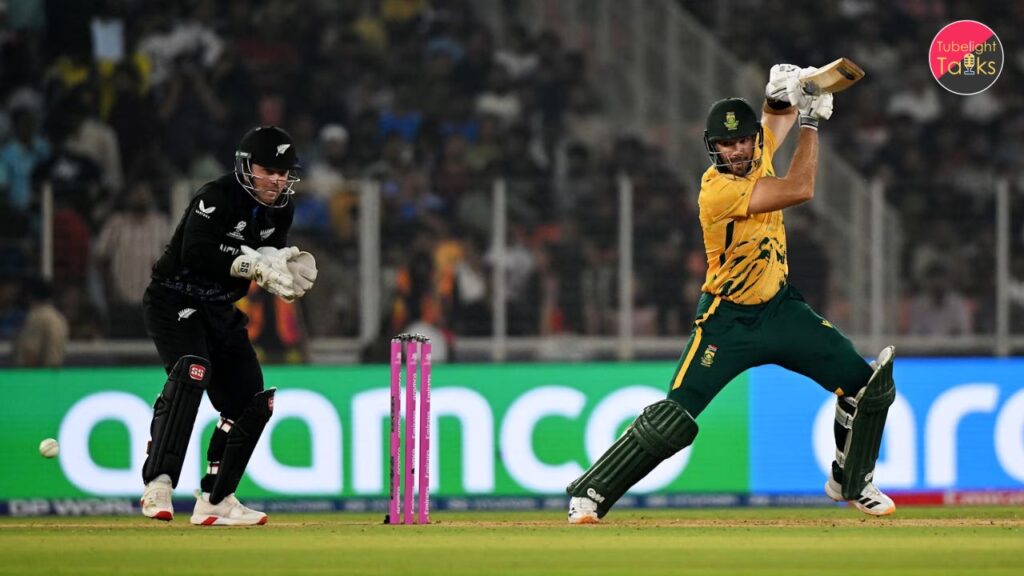
Why Santner’s words landed online
Santner’s “we back ourselves in one-off games” message is trending because it’s the cleanest summary of knockout cricket: you only need to be right once.
That doesn’t mean luck. It means preparation designed to show up in a single high-pressure hour:
- pre-planned matchups,
- clear roles in the death overs,
- clarity on what “par” is at Eden Gardens,
- emotional control when one over changes everything.
Eden Gardens adds its own pressure
Eden Gardens is not a quiet venue. It amplifies emotion – noise after boundaries, roar after wickets, tension when dot balls stack. In such environments, teams that rely on emotional momentum can burn out fast. Teams that rely on routine – ball by ball – often survive.
This is exactly why Santner’s calm is being celebrated: it suggests New Zealand won’t try to “out-hype” South Africa. They’ll try to out-execute them.
The Tactical Battle Lines
Powerplay: the first six overs decide the tone
Santner has pointed directly to the powerplay as the phase South Africa hurt them earlier – when they “got away to a flyer.” That admission matters because it signals New Zealand’s focus: you don’t beat South Africa by chasing the game after six overs. You beat them by denying the early runway.
What New Zealand need in the powerplay with the ball
- tight lengths that prevent free swings
- sharp catching (no “soft” drops)
- disciplined fields that protect the easy boundary
- one controlled wicket that changes South Africa’s tempo
What South Africa want
- early dominance to force New Zealand into defensive bowling
- clarity on matchups against spin early
- keeping wickets in hand to explode late
Middle overs: spin, angles, and choke points
Eden Gardens often turns the middle overs into a tactical maze: who controls the run rate when the ball is older?
For New Zealand, Santner himself becomes a key lever as a captain who can change pace, angle, and field quickly. The question is whether they can create dot-ball pressure without offering release boundaries.
For South Africa, Markram has credited smart decision-making and teamwork as central to their unbeaten run, with players reading conditions and adjusting. In other words: South Africa aren’t winning by brute force alone – they’re winning by playing the conditions better.
Death overs: where “one-off” games are decided
In a semi-final, death overs become psychological warfare. Batters play like they’re carrying history; bowlers feel every miss is fatal.
Santner’s “perfect game” idea includes this phase: New Zealand need a death plan that doesn’t improvise under fear. South Africa need composure to convert their platform into a match-winning final surge.
The Human Narrative: Joy vs Pressure
“Gentleman’s game” energy in a brutal format
The trending angle isn’t only tactics – it’s tone. Both camps have spoken like teams that understand the semi-final is a privilege: one-off games are brutal, but they’re also why players dream.
That’s why fans are responding. People are tired of sports talk that is only aggression. Santner’s style feels like a reminder that intensity and respect can coexist.
A shared hunger: first men’s white-ball World Cup title
Reuters notes both sides are chasing a first men’s white-ball World Cup title – meaning the semi carries generational weight. This isn’t just “who makes the final.” It’s “who breaks a long story of coming close.”
The Unsung Detail That Could Matter
Squad availability and small margins
Reuters also noted New Zealand pacer Matt Henry returned from paternity leave, with uncertainty around availability. In a semi-final, one bowler’s fitness can reshape matchups, powerplay plans, and death-over options.
These aren’t side notes. They are often the hidden reasons why a team’s “perfect game” becomes possible – or collapses.
Quiet Strength Under Loud Pressure
In high-stakes sport, the biggest enemy is not the opponent – it’s the mind when it starts inventing fear. The deeper lesson in Santner’s “perfect game” message is discipline: focus on what is in front of you, not what could happen. In the teachings of Sant Rampal Ji Maharaj, emphasis is repeatedly placed on self-control, steadiness, and right action – doing what is correct without getting trapped in anxiety or ego.
That principle fits this moment naturally: a semi-final is won by the team that stays balanced when the stadium shakes, that respects the process when emotions rise, and that keeps clarity stronger than noise. When composure becomes a habit, pressure becomes manageable – and that is when the “one-off” game stops being a gamble and becomes a test you can pass.
FAQs: T20 World Cup – New Zealand backs themselves in the “one-off” semifinal vs South Africa at Eden Gardens.
1. When and where is the South Africa vs New Zealand semi-final?
March 4 at Eden Gardens, Kolkata (game scheduled to begin 7pm local).
2. Why is Mitchell Santner trending today?
For his calm pre-match message: New Zealand need their first “perfect game” of the tournament and must adapt quickly in a one-off knockout.
3. What makes South Africa so dangerous in this semi-final?
They are unbeaten in the tournament, but their captain has stressed execution and adaptability over relying on past results – suggesting a grounded, well-prepared side.
4. Does the earlier South Africa win over New Zealand matter?
Santner has suggested familiarity reduces surprises, but both teams have framed the semi-final as a fresh contest under different conditions at Eden Gardens.
5. What is New Zealand’s key weapon in a “one-off” semi?
Santner’s stated approach: adaptability over familiarity – reading conditions quickly and executing a complete game under pressure.
Related Stories










Discussion (0)