The Revival of 160 Wells: Tamil Nadu’s Community Miracle
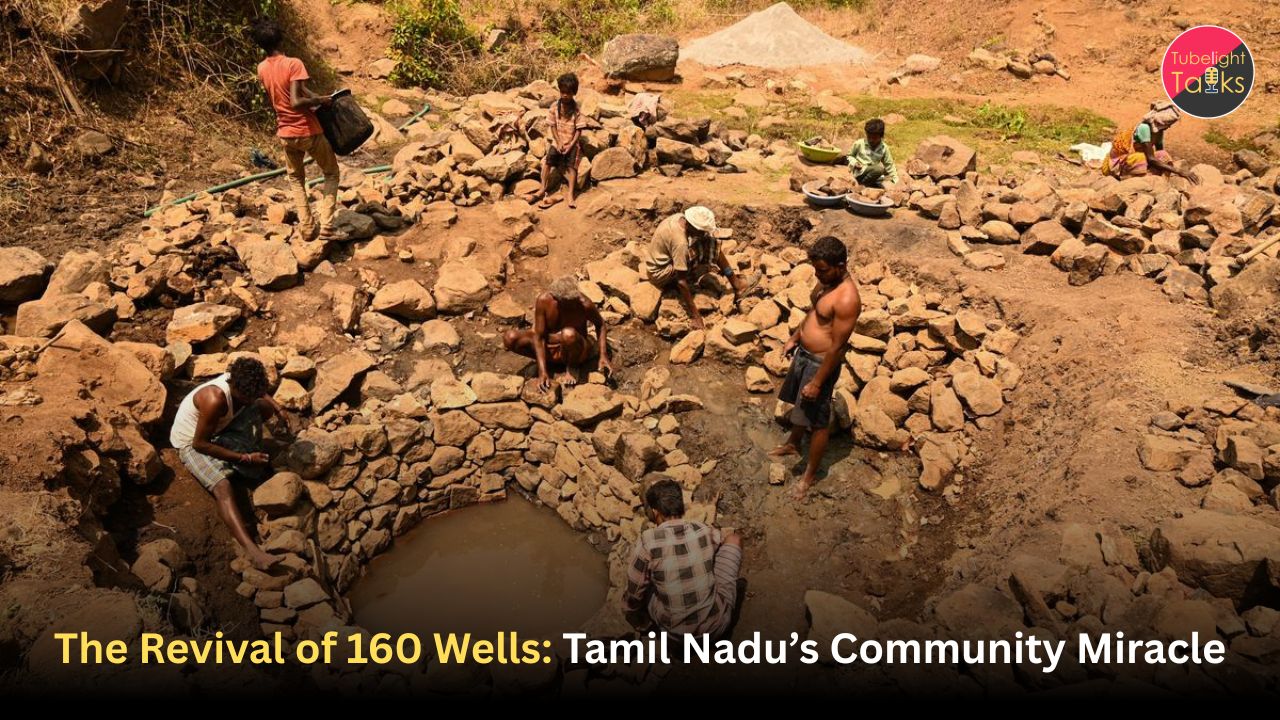
Revival of 160 Wells: Across Tamil Nadu, a quiet environmental revolution is unfolding. More than 160 ancient wells—once clogged with debris, abandoned, and forgotten—have been revived through a massive community-driven initiative. These wells, some centuries old, were originally designed to harvest rainwater and recharge groundwater. Over time, urban expansion and neglect reduced them to dumping grounds.
Today, thanks to citizen volunteers, local organisations, and conservation groups, these wells are functioning again. Beyond water restoration, this movement represents something deeper: a model for climate resilience, heritage preservation, and people-powered environmental change.
Why Ancient Wells Matter in Modern Tamil Nadu
The groundwater crisis
Tamil Nadu, like many Indian states, faces severe groundwater stress. Rapid urbanization, erratic monsoons, and over-extraction have lowered water tables in many regions. During peak summer months, several districts rely heavily on tanker supply.
Ancient wells were not random constructions. They were carefully positioned to capture rainwater runoff and allow gradual percolation into aquifers. Reviving them means restoring a decentralized water storage system that once sustained communities without dependence on modern pumping infrastructure.
Traditional wisdom meets modern need
Long before climate change became a global conversation, local communities practiced rainwater harvesting naturally. Temple wells, step wells, and public wells were integrated into settlement design.
Restoring these wells is not nostalgia—it is a practical climate adaptation strategy. Each cleaned and desilted well improves groundwater recharge capacity and reduces urban flooding risks during heavy rainfall.
How the 160-Well Revival Took Shape
Community first, machinery second
The most inspiring aspect of this initiative is that it did not begin with large contractors or mega funding. Residents, environmental activists, and volunteers began identifying neglected wells, removing garbage, desilting accumulated debris, and strengthening boundary walls.
What started as a few pilot clean-ups gained visibility. As word spread, more neighborhoods joined. Local artists and students even began beautifying the restored wells with murals and traditional motifs, transforming them into community landmarks.
Also Read: Supreme Court Intervenes in Pennaiyar River Water Dispute: Tribunal to Be Formed
From water source to public art space
Several revived wells now serve dual purposes:
- Functional water recharge points
- Educational sites where children learn about water conservation
- Public spaces reflecting local culture
The transformation created a ripple effect. Instead of seeing wells as relics, communities began viewing them as living infrastructure.
Environmental Impact Beyond Numbers
Boosting groundwater recharge
When silt and waste clog a well, its recharge efficiency drops drastically. Desilting increases infiltration capacity, allowing rainwater to seep into aquifers more effectively.
While each well’s output varies, collectively 160 wells represent a substantial recharge network. During monsoon seasons, the cumulative effect can help stabilize local groundwater levels.
Reducing urban flooding
Tamil Nadu cities have faced episodes of urban flooding during intense rainfall. Functional wells help absorb excess water, reducing pressure on stormwater drains.
Decentralized water absorption systems are increasingly recognized as a climate-smart urban strategy. Reviving wells complements modern drainage systems rather than replacing them.
The Social Dimension: Rebuilding Community Bonds
Shared labor builds shared responsibility
Environmental restoration is often seen as the government’s responsibility. This initiative challenges that mindset. When residents clean, restore, and maintain a well together, they develop collective ownership.
Communities that once ignored these spaces now protect them from waste dumping. Children grow up seeing civic participation as normal, not exceptional.
Heritage reconnects generations
Many elderly residents remember when these wells were primary water sources. Seeing them restored bridges generational gaps—grandparents narrate stories of how water was once drawn manually, how festivals were held nearby, and how the well was central to daily life.
The project thus becomes both environmental and cultural restoration.
Climate Anxiety and the Power of Local Action
Climate change often feels overwhelming. Global negotiations, emissions targets, and policy debates can make individuals feel powerless.
But the revival of 160 wells offers a different narrative: meaningful climate adaptation can begin locally. It doesn’t always require international funding—it requires awareness, collaboration, and consistent effort.
Grassroots “green wins” are powerful because they are replicable. Every town with neglected water bodies can adopt similar restoration drives.
Lessons for Other States
1. Map and document forgotten water bodies
Urban mapping initiatives can identify defunct wells and step-wells before they disappear permanently.
2. Encourage citizen participation
When people physically participate in restoration, long-term maintenance improves dramatically.
3. Integrate art and culture
Beautification prevents vandalism and strengthens emotional attachment to the site.
4. Blend policy support with citizen initiative
Government support—through technical guidance or minor funding—can amplify volunteer energy without taking away ownership.
A Blueprint for Sustainable Urban Living
Revived wells represent a shift from centralized to decentralized water thinking. Instead of relying only on distant reservoirs and long pipelines, cities can rediscover micro-sources embedded within neighborhoods.
Sustainable urban planning increasingly emphasizes:
- Rainwater harvesting
- Aquifer recharge
- Nature-based solutions
- Community stewardship
The 160-well revival aligns with all four pillars.
Inner Responsibility Reflects Outer Sustainability
Water conservation is ultimately about responsibility—recognizing that natural resources are not unlimited. In spiritual teachings shared by Sant Rampal Ji Maharaj, emphasis is placed on living with restraint, avoiding waste, and understanding that human life must align with nature’s balance. When individuals reduce greed and act with collective welfare in mind, both society and environment benefit.
The revival of these wells reflects that principle in action: communities choosing preservation over neglect, cooperation over indifference. Sustainable change begins not only with policy but with inner awareness.
FAQs: Tamilnadu Revives Wells
1. Why were these wells abandoned?
Urban expansion, neglect, and reduced dependence on traditional water systems led to disuse.
2. How does reviving wells help groundwater?
Cleaning and desilting improve rainwater infiltration, boosting aquifer recharge.
3. Are these wells used for drinking water?
Primarily for groundwater recharge and sometimes non-potable uses, depending on local testing and safety.
4. Can this model work in other states?
Yes. Any region with traditional water bodies can replicate similar restoration efforts.
5. Why is community involvement important?
Local participation ensures long-term maintenance and creates shared responsibility for environmental protection.
Related Stories







Discussion (0)