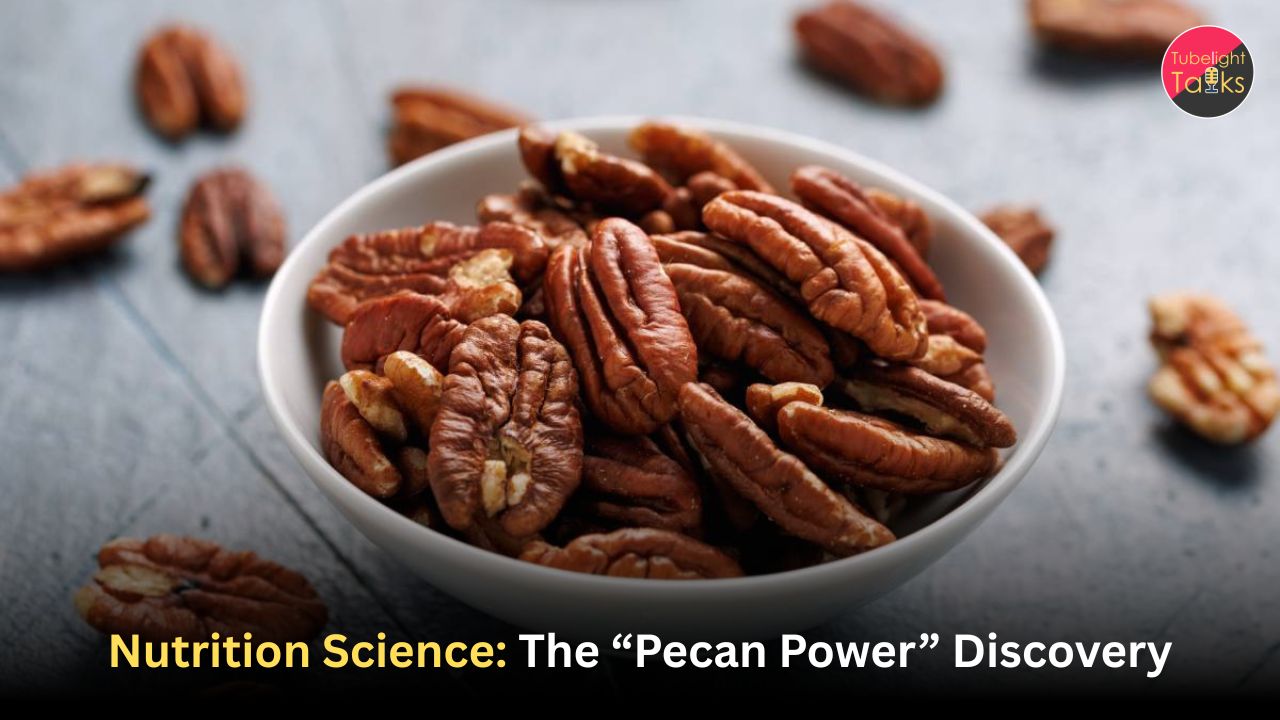
Nutrition Science: The “Pecan Power” Discovery
Pecan Power: In the ever-changing world of nutrition trends, few findings endure long enough to earn long-term scientific confidence. That’s why a recent 20-year review highlighting the cardiovascular benefits of pecans is generating excitement. Researchers analyzing decades of data found consistent evidence that regular pecan consumption improves cholesterol levels and supports heart health.
Unlike extreme diet fads, this finding centers on something simple and accessible—a natural nut that can be easily integrated into daily meals. As heart disease remains one of the leading global health challenges, even small dietary improvements can have meaningful long-term effects.
Why Heart Health Remains a Global Priority
Cardiovascular disease continues to be one of the leading causes of death worldwide. Poor dietary habits, sedentary lifestyles, and high stress levels contribute significantly to rising cholesterol levels and arterial damage.
Preventive nutrition plays a critical role. Instead of waiting for medical intervention, experts increasingly emphasize food-based strategies to manage cholesterol and reduce heart disease risk.
What the 20-Year Review Reveals
Strong evidence for cholesterol improvement
The comprehensive review analyzed multiple clinical trials and long-term observational studies. The findings consistently showed that individuals who consumed pecans as part of a balanced diet experienced:
- Lower LDL (“bad”) cholesterol
- Improved total cholesterol profiles
- Better heart-friendly lipid ratios
These improvements were not extreme overnight changes but steady, measurable shifts that contribute to long-term cardiovascular protection.
Rich nutrient composition
Pecans are naturally rich in:
- Monounsaturated fats (heart-friendly fats)
- Plant sterols
- Antioxidants
- Fiber
- Magnesium
Monounsaturated fats help reduce harmful cholesterol levels while maintaining beneficial HDL cholesterol. Meanwhile, antioxidants combat oxidative stress, which contributes to arterial damage.
Also Read: Chia Seeds Benefits: Nutrition, Uses, Risks and Comparison with Sabja Seeds
How Pecans Support Cardiovascular Health
1. Cholesterol regulation
Pecans contain phytosterols—plant compounds structurally similar to cholesterol. These compounds compete with cholesterol absorption in the digestive system, reducing overall LDL levels.
2. Anti-inflammatory properties
Chronic inflammation plays a major role in heart disease. Pecans’ antioxidant profile helps reduce inflammation markers, protecting blood vessels.
3. Blood sugar stabilization
Stable blood sugar levels reduce stress on blood vessels and support overall metabolic health. The fiber and healthy fats in pecans slow digestion and prevent glucose spikes.
A Simple Dietary Shift with Big Impact
One of the most appealing aspects of the “Pecan Power” finding is accessibility. Unlike specialized supplements or expensive superfoods, pecans can be easily incorporated into everyday meals:
- Added to oatmeal or yogurt
- Tossed into salads
- Blended into smoothies
- Used as a snack instead of processed foods
Even small daily portions can deliver benefits when combined with an overall balanced diet.
Why This News Is Trending
Health and wellness content consistently attracts attention, but this discovery stands out because it offers:
- Long-term scientific backing (20-year review)
- A natural, minimally processed food solution
- A practical and affordable dietary adjustment
In a digital landscape filled with complex health advice, simplicity is refreshing.
Moderation Matters
While pecans are healthy, they are calorie-dense. Experts recommend moderate portions—usually a small handful per day—to balance benefits without excessive calorie intake.
As with any dietary change, individuals with nut allergies or specific medical conditions should consult healthcare professionals before making adjustments.
Beyond Nutrition: A Broader Lesson in Prevention
The pecan discovery reinforces a larger principle: prevention is often built on consistent, small choices. Rather than dramatic interventions, long-term wellness grows from steady habits.
In spiritual teachings shared by Sant Rampal Ji Maharaj, discipline and mindful living are emphasized as essential to both physical and spiritual well-being. Choosing wholesome, natural foods over harmful excess reflects a balanced approach to life—one that values sustainability and self-care. When individuals align daily habits with health and responsibility, both body and mind benefit.
FAQs: Nutrition Discovery About Pecans
What did the 20-year review conclude about pecans?
It confirmed that regular pecan consumption significantly improves cholesterol levels and supports heart health.
How many pecans should be eaten daily?
A small handful per day is generally considered beneficial within a balanced diet.
Are pecans good for weight management?
In moderation, their fiber and healthy fats can promote satiety, reducing overeating.
Do pecans replace heart medication?
No. They support heart health but do not replace prescribed medical treatment.
Why are pecans considered a “super-nut”?
Because of their high levels of heart-friendly fats, antioxidants, fiber, and essential minerals.
Related Stories










Discussion (0)