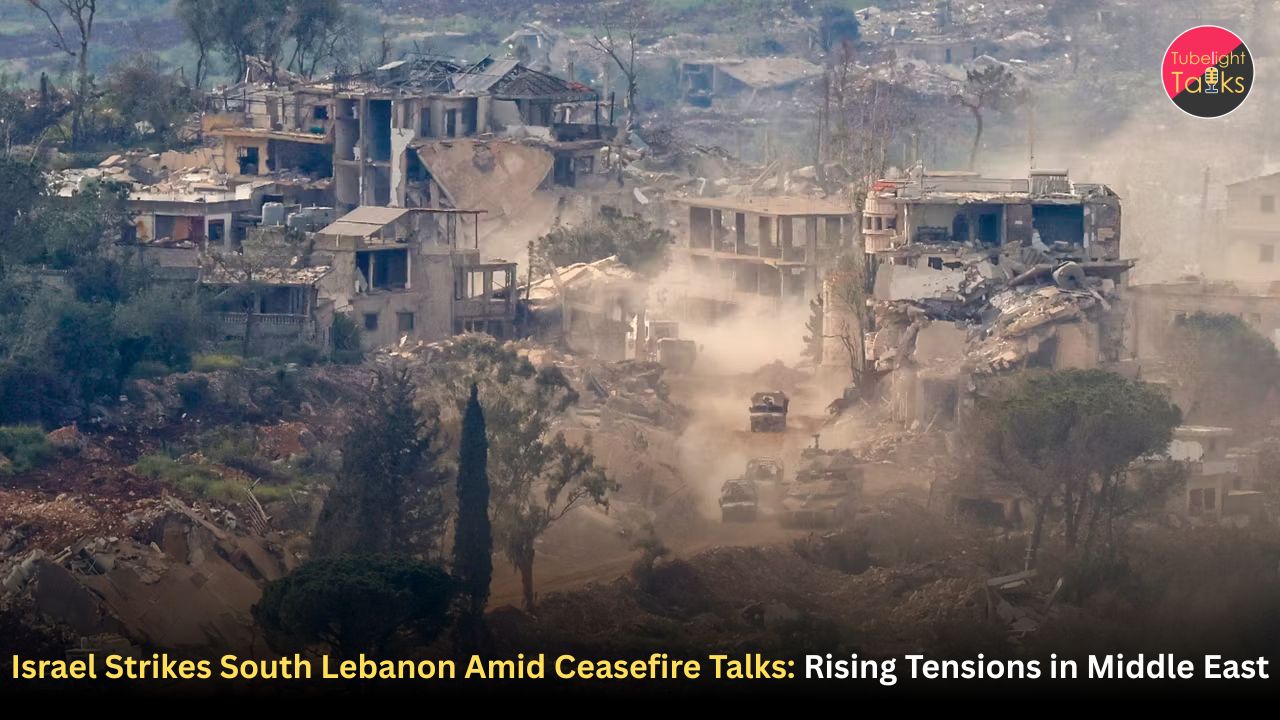
Israel Strikes South Lebanon Amid Ceasefire Talks
In a troubling escalation of tensions, Israeli forces have launched fresh artillery strikes on southern Lebanon, targeting positions linked to Hezbollah. This development comes at a time when ceasefire negotiations are actively underway, raising serious concerns about the future of peace efforts in the region.
Reports indicate that at least six people have been killed in the strikes, with several others injured. The incident underscores the fragile nature of diplomatic initiatives and highlights the persistent volatility in the Middle East.
Background of Israel-Hezbollah Conflict
The conflict between Israel and Hezbollah has deep historical roots, shaped by political, territorial, and ideological differences.
Origins of the Conflict
Hezbollah emerged in the 1980s during the Lebanese Civil War, positioning itself as a resistance movement against Israeli presence in southern Lebanon.
Previous Wars and Ceasefires
The 2006 Lebanon War marked one of the most intense confrontations, resulting in significant casualties and destruction on both sides.
Details of the Latest Strikes
The recent artillery strikes have intensified concerns across the region.
Targeted Areas
Israeli forces reportedly targeted multiple locations in South Lebanon believed to house Hezbollah infrastructure.
Casualties and Damage
Initial reports confirm at least six fatalities, along with damage to residential areas and infrastructure.
Timing Amid Ceasefire Talks
The strikes come at a critical moment when diplomatic efforts are underway.
Ongoing Negotiations
Talks involving international mediators aim to establish a ceasefire and reduce hostilities.
Impact on Peace Efforts
Such military actions risk undermining trust and delaying progress in negotiations.
Also Read: Israel-Lebanon Ceasefire Extended by Three Weeks After White House Talks
Israel’s Justification
Israeli authorities have defended the strikes as necessary for national security.
Preventive Action
Israel claims the strikes were aimed at preventing imminent threats from Hezbollah.
Security Concerns
Officials argue that Hezbollah’s activities near the border pose a direct risk to Israeli citizens.
Hezbollah’s Response
Hezbollah has strongly condemned the attacks.
Retaliation Threats
The group has warned of possible retaliation, raising fears of further escalation.
Political Statements
Leaders have accused Israel of violating international norms and sabotaging peace efforts.
Regional and Global Reactions
The international community has expressed concern over the escalation.
Calls for Restraint
Global leaders and organizations have urged both sides to exercise restraint.
Diplomatic Pressure
Efforts are being made to bring both parties back to the negotiating table.
Also Read: Israel-Hamas Ceasefire Talks 2026: A Step Toward Peace or Political Optics?
Humanitarian Impact
The strikes have had significant consequences for civilians.
Civilian Casualties
Loss of life and injuries among civilians highlight the human cost of the conflict.
Displacement
Many families have been forced to flee their homes due to ongoing violence.
Strategic Implications
The escalation could have broader geopolitical consequences.
Risk of Wider Conflict
There is a growing concern that the conflict could expand beyond the immediate region.
Impact on Middle East Stability
Continued hostilities threaten to destabilize an already volatile region.
Media and Public Perception
Public opinion is divided on the issue.
Domestic Reactions
Citizens in both countries express mixed feelings, balancing security concerns with calls for peace.
Global Media Coverage
International media outlets are closely monitoring the situation, highlighting its global significance.
True Peace Beyond Conflict
In times of war and conflict, the teachings of Sant Rampal Ji Maharaj provide a deeper understanding of peace. According to his spiritual wisdom, conflicts arise from human ego, ignorance, and attachment to power. While nations engage in war and retaliation, true peace can only be achieved through spiritual awakening and adherence to divine knowledge.
Sant Rampal Ji Maharaj teaches that lasting harmony is not created through weapons or negotiations alone, but through righteousness, compassion, and true devotion to God. When individuals transform internally, societies and nations naturally move toward peace. Thus, while ceasefire talks are important, the ultimate solution lies in spiritual enlightenment and unity.
For more spiritual knowledge, visit: www.jagatgururampalji.org
Call to Action
As global tensions continue to evolve, staying informed is crucial. Understanding the complexities of conflicts helps foster awareness and empathy. At the same time, exploring spiritual wisdom can guide individuals toward inner peace and a more harmonious world. Follow reliable news sources and embrace knowledge that promotes unity and understanding.
FAQs: Israel Strikes South Lebanon Amid Ceasefire
1. Why did Israel strike South Lebanon?
Israel claims the strikes targeted Hezbollah positions to prevent security threats.
2. How many casualties were reported?
At least six people were reported dead, with several others injured.
3. What is Hezbollah’s response?
Hezbollah has condemned the strikes and warned of possible retaliation.
4. Will this affect ceasefire talks?
Yes, the strikes may complicate ongoing negotiations and delay progress.
5. What is the global reaction?
International leaders have called for restraint and urged both sides to continue peace talks.
Related Stories










Discussion (0)