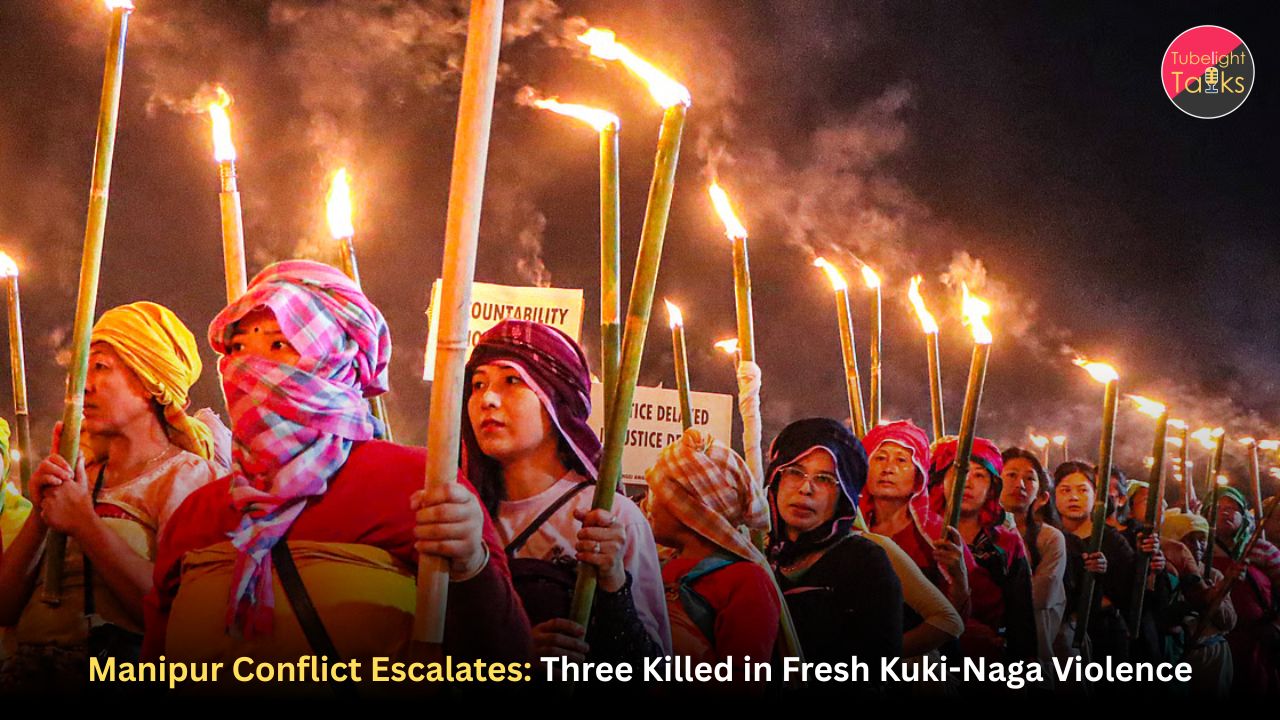
Manipur Conflict: Renewed Violence Raises Serious Concerns
The northeastern state of Manipur has once again been shaken by violence as fresh clashes between Kuki and Naga groups resulted in the deaths of three individuals. The incident highlights the fragile peace in the region and the deep-rooted ethnic tensions that continue to challenge stability.
Despite ongoing efforts by authorities to maintain law and order, recurring flare-ups underline the complexity of the conflict and the urgent need for long-term solutions.
Overview of the Recent Violence
The latest incident marks another escalation.
Casualties Reported
At least three people lost their lives in the clashes.
Location of Incident
The violence occurred in sensitive areas with a history of ethnic tension.
Background of Kuki-Naga Conflict
The conflict has deep historical roots.
Ethnic Differences
Kuki and Naga communities have distinct identities and territorial claims.
Historical Disputes
Long-standing disagreements over land and governance fuel tensions.
Immediate Causes of the Flare-Up
Recent triggers contributed to the violence.
Territorial Disputes
Conflicts over land ownership remain a key issue.
Political Tensions
Local political developments often influence community relations.
Also Read: Rangpur Mob Attacks Reopen Bangladesh’s Deep Minority Safety Question
Impact on Civilians
The violence has serious humanitarian consequences.
Loss of Lives
Innocent civilians are often caught in the crossfire.
Displacement
Many families are forced to leave their homes.
Government Response
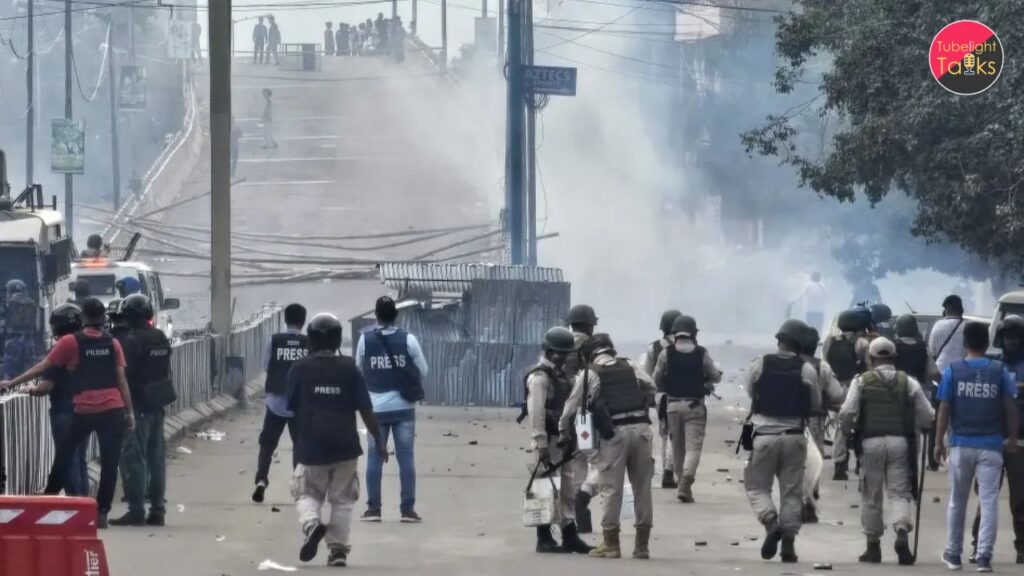
Authorities are taking action to control the situation.
Security Deployment
Additional forces have been deployed in affected areas.
Peace Efforts
Dialogue initiatives are being considered to reduce tensions.
Role of Security Forces
Security agencies play a crucial role.
Maintaining Law and Order
Forces are working to prevent further violence.
Challenges Faced
Difficult terrain and local sensitivities complicate operations.
Regional Implications
The conflict affects the broader Northeast.
Inter-State Concerns
Neighboring states may also feel the impact.
Security Risks
Instability can attract external threats.
Social and Economic Impact
The unrest disrupts normal life.
Economic Slowdown
Businesses and livelihoods are affected.
Education Disruption
Schools and institutions face closures.
Need for Long-Term Solutions
Temporary measures are not enough.
Dialogue and Reconciliation
Peace talks between communities are essential.
Development Initiatives
Economic growth can reduce tensions.
Future Outlook
The situation remains sensitive.
Possibility of Further Clashes
Tensions may continue without resolution.
Hope for Peace
Efforts toward dialogue may bring stability.
Unity Beyond Differences
In conflicts like those in Manipur, where communities are divided by identity and territory, the teachings of Sant Rampal Ji Maharaj provide a profound message of unity. According to his spiritual wisdom, divisions based on caste, community, or region are created by human ignorance, not by God. Such differences lead to संघर्ष and suffering. Sant Rampal Ji Maharaj teaches that all humans are equal and part of one divine creation.
When individuals understand true spiritual knowledge and adopt values of भाईचारा (brotherhood), compassion, and truth, conflicts naturally dissolve. While governments work toward peace through policies and security measures, lasting harmony can only be achieved when people rise above divisions and embrace unity through spiritual understanding.
For more spiritual knowledge, visit: www.jagatgururampalji.org
Call to Action
The Manipur conflict highlights the importance of unity and awareness. Stay informed about developments and support efforts that promote peace and harmony. At the same time, adopt values of understanding and compassion in daily life to contribute to a better society.
FAQs: Manipur Conflict
1. What happened in Manipur recently?
Fresh clashes between Kuki and Naga groups resulted in three deaths.
2. What is the main cause of the conflict?
Long-standing ethnic and territorial disputes.
3. How is the government responding?
Security forces have been deployed and peace efforts are ongoing.
4. How does this affect civilians?
It leads to loss of life, displacement, and disruption of daily life.
5. Can the conflict be resolved?
Yes, through dialogue, development, and mutual understanding.
Related Stories
Discussion (0)