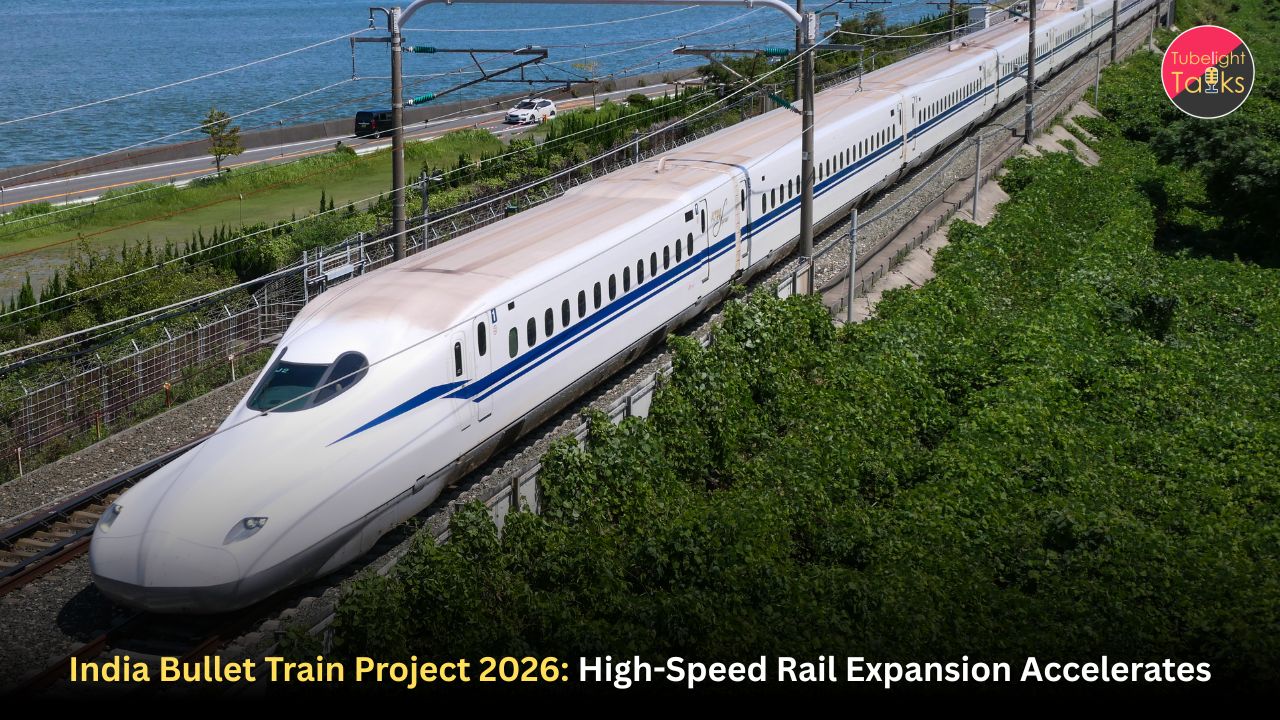
India Accelerates High-Speed Rail Expansion to Transform National Connectivity
India is making significant strides in transforming its transportation infrastructure through the expansion of high-speed rail networks. The flagship bullet train project, along with proposed new corridors, reflects the country’s commitment to modernizing intercity travel. As urbanization increases and economic activity expands, the need for efficient, fast, and reliable transportation has become more critical than ever. High-speed rail is emerging as a key solution to meet this demand.
Progress on the Bullet Train Corridor
The Mumbai-Ahmedabad high-speed rail corridor continues to witness steady progress, with construction advancing across multiple segments. Key milestones in track laying, station development, and technology integration are bringing the project closer to completion. Once operational, the corridor is expected to significantly reduce travel time between two major economic hubs.
Expansion Plans Across Regions
Beyond the initial corridor, the government is evaluating additional high-speed rail routes connecting major cities. These proposals aim to create a nationwide network that enhances connectivity between industrial, commercial, and cultural centers. Such expansion is expected to drive regional development and reduce travel congestion.
Also Read: Namo Bharat Expansion: Transforming NCR Connectivity
Economic and Industrial Impact
High-speed rail projects generate economic activity through infrastructure development, job creation, and industrial growth. The manufacturing of components, construction activities, and technology partnerships contribute to a broader economic ecosystem. This investment in infrastructure is seen as a catalyst for long-term growth.
Technology and Innovation in Rail Systems
Modern high-speed rail systems incorporate advanced technologies such as automated signaling, energy-efficient trains, and enhanced safety mechanisms. These innovations ensure reliability, reduce operational risks, and improve passenger experience. India’s adoption of such technologies reflects its focus on modernization.
Environmental Benefits of High-Speed Rail
High-speed rail is considered a sustainable mode of transport compared to road and air travel. It reduces carbon emissions, lowers fuel consumption, and supports environmental goals. As India works toward sustainability targets, expanding rail infrastructure plays a crucial role in reducing the transportation sector’s environmental impact.
Challenges in Implementation
Despite progress, challenges such as land acquisition, project costs, and coordination across states remain. Addressing these issues requires strong policy support and efficient project management. Continuous monitoring and stakeholder engagement are essential to ensure timely completion.
Enhancing Passenger Experience
High-speed rail promises a new level of comfort and convenience for passengers. Modern stations, reduced travel times, and improved connectivity are expected to redefine travel standards in India. This transformation aligns with the broader vision of creating world-class infrastructure.
Long-Term Vision for Transport Infrastructure
India’s high-speed rail expansion is part of a larger strategy to build integrated transport systems. Combining rail, road, and air networks will create seamless mobility across the country. This holistic approach ensures efficient movement of people and goods.
True Journey Beyond Distance
While high-speed trains reduce physical distances, Sant Rampal Ji Maharaj teaches that the most important journey is the spiritual journey of the soul. He explains that while modern infrastructure enhances comfort, true fulfillment comes from understanding the purpose of human life. By following the path of Satgyan, individuals can move toward a destination that transcends physical travel, achieving lasting peace and liberation.
FAQs: India Bullet Train Project 2026
1. What is India’s bullet train project?
It is a high-speed rail initiative aimed at connecting major cities with fast and efficient train services.
2. Which corridor is currently under development?
The Mumbai-Ahmedabad corridor is the primary project under construction.
3. How will this benefit the economy?
It will create jobs, boost infrastructure development, and improve connectivity for businesses.
4. Is high-speed rail environmentally friendly?
Yes, it produces lower emissions compared to road and air transport.
5. What challenges does the project face?
Key challenges include land acquisition, funding, and coordination across regions.
Related Stories





Discussion (0)