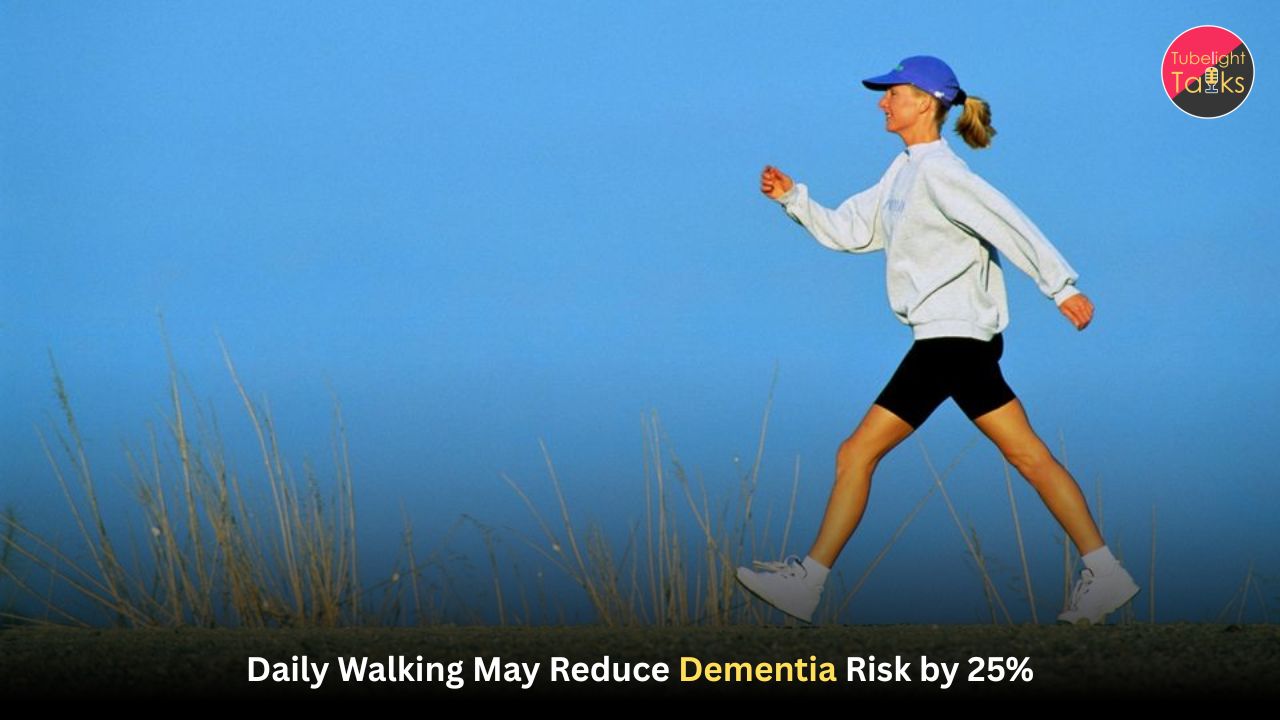
Dementia Risk Reduction: Regular Physical Activity Linked to 25% Lower Dementia Risk
Regular physical activity continues to emerge as one of the most practical tools for long-term brain health. A JAMA Neurology cohort study involving 78,430 adults found that taking more steps per day was associated with a lower risk of incident all-cause dementia. The study estimated that around 3,800 steps per day was associated with 25% lower incident dementia, while approximately 9,800 steps per day appeared optimal for reducing risk.
What the Study Found
The JAMA Neurology study used wrist-worn accelerometers to assess daily step count and intensity. Researchers found nonlinear associations between daily steps and dementia incidence, meaning the benefit increased with more steps up to a point. The study concluded that just under 10,000 steps per day may be optimally associated with lower dementia risk, while higher-intensity steps showed stronger associations.
Why 3,800 Steps Matter
The most encouraging finding is that people may not need extreme fitness routines to begin supporting brain health. The study estimated a minimum dose of about 3,800 steps per day, associated with 25% lower incident dementia. This makes dementia risk reduction more approachable for older adults, busy workers, and people beginning a fitness journey.
Brain Health and Movement
Physical activity supports the body in several ways that may benefit the brain. It can improve blood flow, support heart health, reduce inflammation, improve sleep quality, and help manage metabolic risk factors. While the JAMA Neurology study was observational and does not prove direct causation, it adds strong evidence to the public health message that regular movement is valuable for healthy aging.
Also Read: Nutrition Science: The “Pecan Power” Discovery
Intensity Also Matters
The study found that steps performed at higher intensity were associated with lower dementia incidence. This does not mean everyone must run or do heavy workouts. A brisk walk, climbing stairs, purposeful walking, or moderate daily movement may provide extra benefit when done safely and consistently.
Practical Steps for Daily Life
People can begin with simple habits: walk after meals, take stairs when possible, reduce long sitting periods, use short walking breaks, and include family members in evening walks. For elderly people or those with chronic illness, medical guidance is important before starting any new exercise routine.
Public Health Significance
Dementia affects families emotionally, socially, and financially. A low-cost lifestyle step such as walking has major public health value because it can be promoted across age groups, communities, and economic backgrounds. The study also noted that step-based recommendations are easy to communicate and measure.
A Healthy Mind Needs Inner Peace Too
Physical activity can support memory and brain function, but mental peace also requires spiritual stability. Sant Rampal Ji Maharaj teaches that true devotion, regular remembrance of God, and living within spiritual discipline calm the mind and guide human life toward its real purpose. Just as walking strengthens the body step by step, true worship strengthens the soul through correct knowledge and devotion. (jagatgururampalji.org)
Call to Action
Walk Today for a Healthier Tomorrow
Small daily movement can become a powerful habit for brain and body health.
Start Simple, Stay Consistent
Begin with a realistic step goal, increase gradually, and consult a healthcare professional if you have medical limitations.
FAQs: Daily Walking May Reduce Dementia Risk by 25%
1. How many steps were linked with 25% lower dementia risk?
The JAMA Neurology study estimated that about 3,800 steps per day were associated with 25% lower incident dementia.
2. What step count appeared optimal?
Approximately 9,800 steps per day appeared optimally associated with lower dementia risk.
3. Does this prove walking prevents dementia?
No. The study was observational, so it shows association, not guaranteed causation.
4. Does walking speed matter?
Yes. The study found that higher-intensity stepping was associated with stronger benefits.
5. Who should consult a doctor first?
Older adults, heart patients, people with joint problems, and those with chronic illness should seek medical advice before changing exercise routines.
Related Stories










Discussion (0)