Delhi Cleanliness Drive Offers ₹1 Crore Monthly Ward Reward (2026)
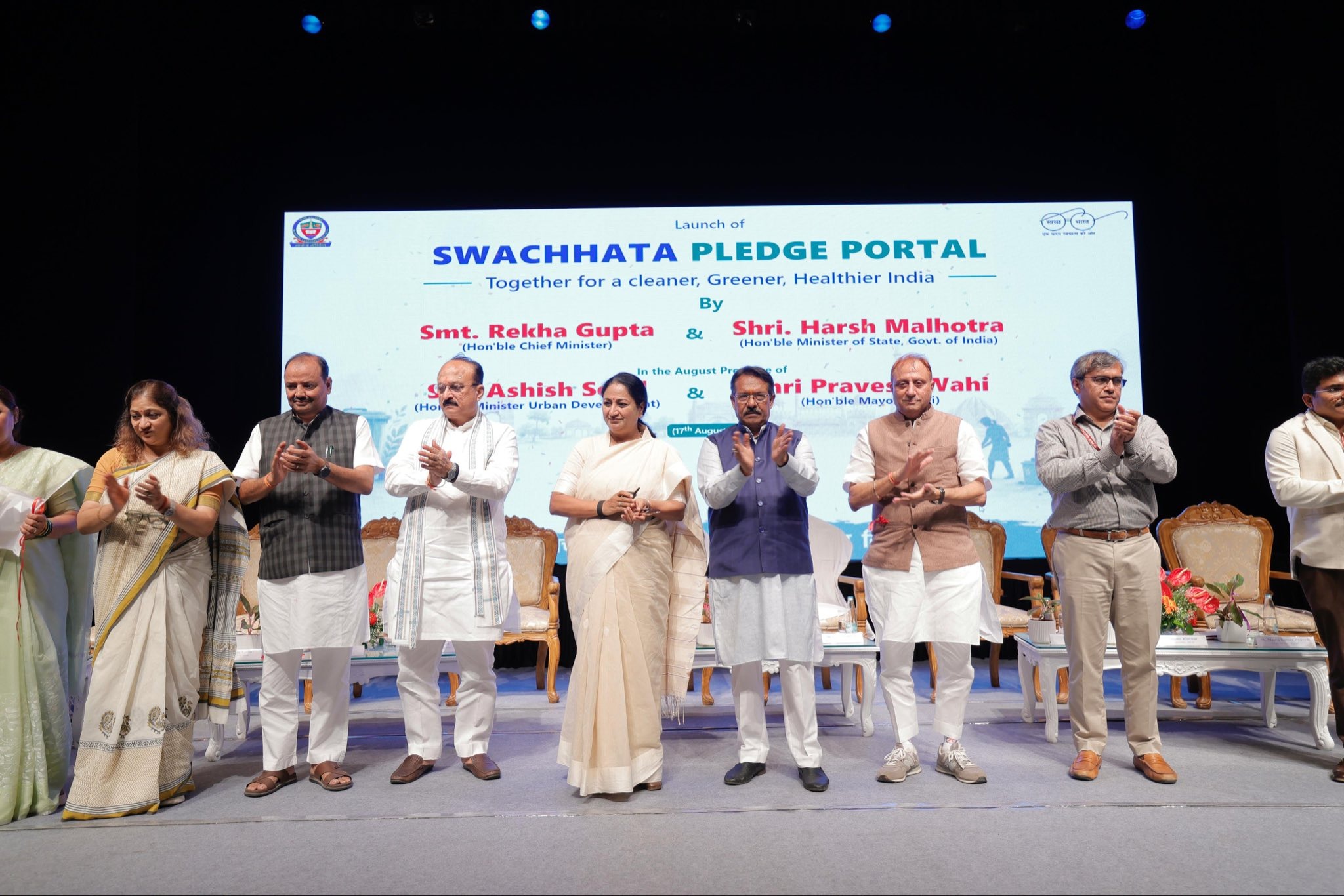
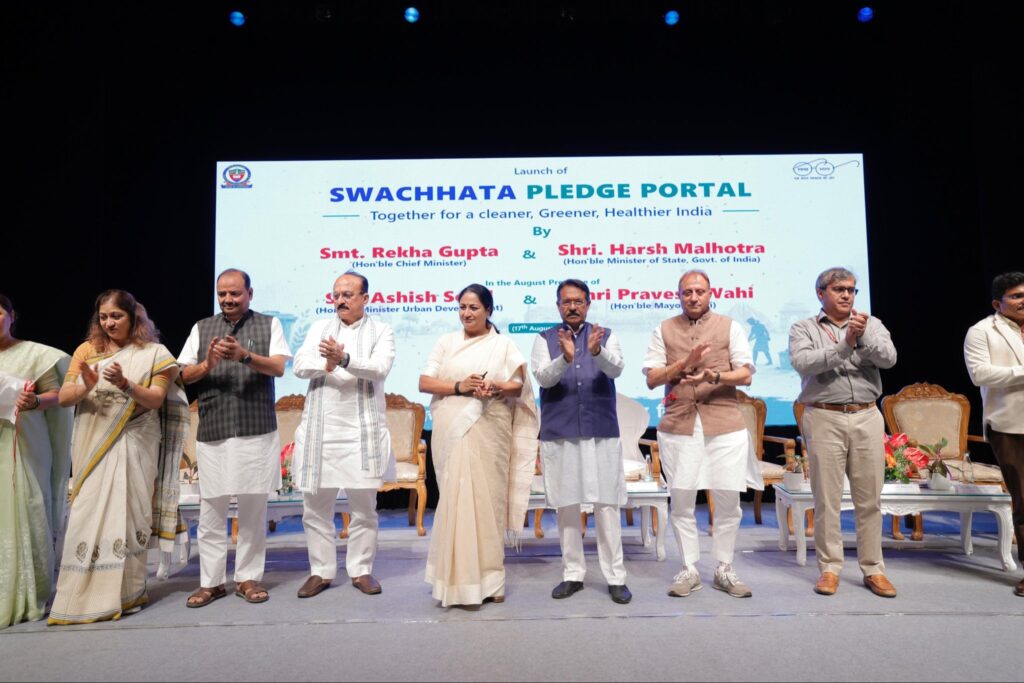
Delhi Chief Minister Rekha Gupta has officially launched the Delhi cleanliness drive, titled “Delhi Ko Kude Se Azadi-Swachhta Abhiyan 2026.” This comprehensive city-wide campaign aims to improve municipal sanitation, strengthen scientific waste management, and increase public participation across the capital. Launched at the Municipal Corporation of Delhi (MCD) headquarters, the initiative will run until October 2, establishing a robust framework for long-term urban hygiene.
Also read: Also Read: Water Security in India: 5 Key Economic Challenges & Solutions (2026
Delhi Cleanliness Drive Brings Ward-Level Competition
Under the Delhi cleanliness drive, the government has introduced a highly competitive ward-level evaluation system. To incentivize performance, the cleanest municipal ward will receive a ₹1 crore reward every month. Wards that consistently perform exceptionally well can earn additional financial incentives, claiming up to ₹12 crore annually from the Chief Minister’s Development Fund.
Alt Text: Delhi CM Rekha Gupta launches the Delhi cleanliness drive portal for the 2026 Swachhta Abhiyan campaign.
Ward performance will undergo rigorous evaluation using independent agency audits, official inspections, and citizen feedback submitted through social media and municipal helplines. To ensure strict compliance, any ward found with unresolved or valid garbage complaints risks immediate disqualification.
Chief Minister Gupta emphasized that sanitation must become part of citizens’ daily habits rather than an occasional civic task. Cleanliness cannot remain the sole burden of a single government agency; it must evolve into a shared public responsibility.
Four Cs Form Waste Management Focus
The core strategy of the Delhi cleanliness drive centers on four pivotal waste-management pillars: Collection, Cleaning, Conversion, and Circular Economy.
| Waste Management Pillar | Primary Operational Focus |
| Collection | Source segregation and scheduled timely pickup |
| Cleaning | Comprehensive removal of litter and unauthorized posters |
| Conversion | Scientific processing and converting waste into energy/resources |
| Circular Economy | Promoting green fuels and minimizing landfill reliance |
Urban Development Minister Ashish Sood highlighted that this initiative aims to fundamentally alter public mindsets toward public hygiene. Citizens are encouraged to take equal pride in the cleanliness of back lanes, public parks, and neighborhood streets as they do within their own homes. Union Minister of State Harsh Malhotra echoed these sentiments, noting that true civic transformation requires embedding cleanliness into everyday decision-making.
Targeted Drives Planned Across Delhi
To ensure systemic coverage, the initiative outlines structured cleanup schedules targeting specific public areas:
- Slum Clusters: Special sanitation drives scheduled on August 23, August 30, September 6, and September 13, alongside dedicated Saturday drives.
- Public Toilets: Focused maintenance and deep cleaning every weekend.
- Green Spaces: Dedicated clearance of park green-waste from September 1 to September 10.
- Healthcare Facilities: Targeted cleanliness operations in government hospitals on September 17.
- Educational Institutions: “Mera School, Sabse Sundar” competition and zero-waste campus drives running from September 17 to October 2.
The weekly operational schedule assigns dedicated daily tasks:
- Mondays: Removal of unauthorized posters and wall graffiti.
- Tuesdays: Sanitization of community centers, back lanes, and religious premises.
- Wednesdays: Cleaning along railway tracks and the Ring Road corridor.
- Thursdays: Inspection and monitoring of bulk waste generators and on-site processing units.
- Fridays: Cleanliness reviews across government offices and ward-level audits.
Sanitation Infrastructure to Be Strengthened
To support the objectives of the Delhi cleanliness drive, the government is significantly upgrading local sanitation infrastructure. The deployment includes 70 mechanical road-sweeping machines, dedicated litter-picking vehicles assigned to every ward, and 125 secondary collection centers designated specifically for construction and demolition (C&D) waste.
The Urban Development Department has mandated that the Municipal Corporation of Delhi (MCD), New Delhi Municipal Council (NDMC), and the Delhi Cantonment Board establish detailed action plans with strict weekly monitoring. Government departments are required to clear outdated physical files, eliminate single-use plastics, and conduct voluntary labor contributions (shramdaan) to clear chronic garbage vulnerable points.
Citizen Participation Central to Campaign Success
Municipal bodies are actively mobilizing Resident Welfare Associations (RWAs), market trade groups, schools, hospitals, and voluntary organizations to build grassroots momentum. Weekly progress reports accompanied by geo-tagged photographic evidence must be submitted to the Urban Development Department every Monday.
Mayor Pravesh Wahi noted that streamlined coordination between the Delhi Government and the MCD is yielding faster operational turnarounds. With financial constraints removed, civic leaders stress that administrative willpower and active citizen compliance will be the ultimate deciding factors in the success of the campaign.
Spiritual Service and National Welfare
The core ethos of the Delhi cleanliness drive aligns closely with broader principles of civic duty, selfless service, and national welfare. Spiritual leader Tatvdarshi Sant Rampal Ji Maharaj has consistently emphasized that restoring societal prosperity—realizing the vision of a “Sone Ki Chidiya” (Golden Bird)—requires dedicated service to humanity.
His extensive social-welfare initiatives span support for farmers and workers, assistance to underprivileged families, cow shelters (gaushalas), free education support, medical care, and disaster relief. His teachings stress that true social progress is achieved when government initiatives are matched by individual moral responsibility, compassionate service, and active care for the environment and fellow citizens.
More information about these initiatives is available through the SA News YouTube channel and the Sant Rampal Ji Maharaj YouTube channel.
FAQs on Delhi Cleanliness Drive
1. What is the main goal of the Delhi cleanliness drive?
The Delhi cleanliness drive, officially named “Delhi Ko Kude Se Azadi-Swachhta Abhiyan 2026,” is a comprehensive sanitation campaign designed to overhaul waste management, eliminate garbage vulnerable points, and promote sustainable civic habits across the capital through October 2.
2. How does the ₹1 crore reward system work in the Delhi cleanliness drive?
Under the competitive framework of the Delhi cleanliness drive, the municipal ward evaluated as the cleanest receives ₹1 crore every month. Wards demonstrating sustained excellence throughout the year can earn up to ₹12 crore from the Chief Minister’s Development Fund.
3. How will wards be evaluated during the cleanliness drive?
Wards are evaluated using independent agency audits, municipal official reports, and direct resident feedback submitted via social media and official helplines. Valid resident complaints regarding uncollected garbage can lead to a ward’s disqualification.
4. What are the 4 Cs of waste management in this campaign?
The campaign’s waste management approach relies on four key pillars: Collection (source segregation), Cleaning (sanitizing public spaces), Conversion (turning waste into resources), and Circular Economy (reducing overall landfill waste).
5. How can local residents participate in the cleanliness movement?
Citizens can participate by segregating household waste at the source, participating in local RWA and market association cleanups, reporting uncollected garbage through official channels, and engaging in voluntary cleanup drives (shramdaan).
Related Stories




Discussion (0)