Bangladesh President 2026: Mirza Fakhrul Takes Oath After Historic Vote
Mirza Fakhrul Islam Alamgir has taken the oath as the new Bangladesh President following a landmark victory in the country’s first contested presidential vote in 35 years. The veteran politician and Bangladesh Nationalist Party (BNP) leader defeated Liberal Democratic Party chairman Colonel (retd) Oli Ahmed by a margin of 255 votes to 88 during a parliamentary election on August 20, 2026. On August 21, 2026, he officially assumed office as the 23rd head of state during a solemn ceremony at Bangabhaban.
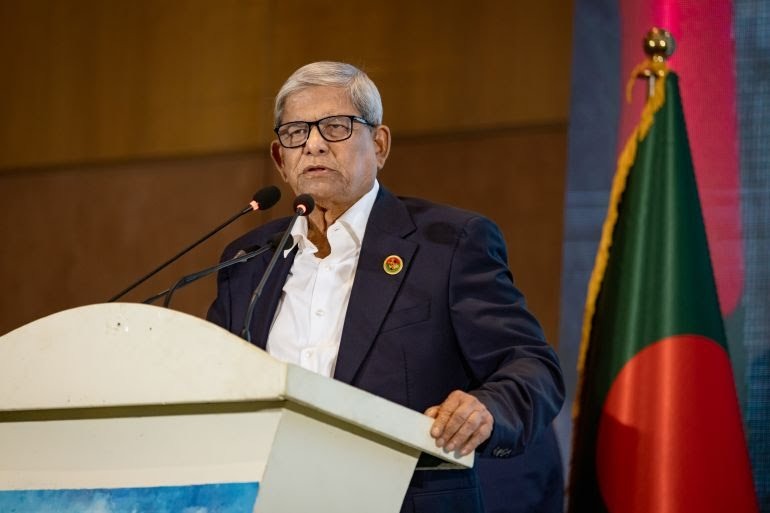
The First Contested Vote for Bangladesh President in 35 Years
The election of the Bangladesh President on August 20, 2026, represents a significant departure from recent political norms. For decades, the nation’s head of state was chosen through consensus or uncontested procedures. This election marked the first competitive presidential ballot in Parliament since 1991.
Chief Election Commissioner and Returning Officer A.M.M. Nasir Uddin announced the final results after lawmakers cast their secret ballots at the Jatiya Sangsad Bhaban. Out of 349 registered parliamentary voters, 343 cast their votes while six abstained. Mirza Fakhrul Islam Alamgir represented the ruling BNP, whereas Oli Ahmed contested as the nominee of the Jamaat-e-Islami-led 11-party opposition alliance.
| Election Metric / Parameter | Official Record Details |
| Total Registered Parliamentary Voters | 349 |
| Lawmakers Who Cast Ballots | 343 |
| Abstentions / Non-Voting Lawmakers | 6 |
| Mirza Fakhrul Islam Alamgir (BNP) | 255 votes |
| Colonel (retd) Oli Ahmed (LDP Alliance) | 88 votes |
| Election Date | August 20, 2026 |
| Oath-Taking Ceremony Date | August 21, 2026 |
Oath Ceremony at Bangabhaban
Following his parliamentary election, Mirza Fakhrul Islam Alamgir took the oath of office at 7:30 PM on August 21, 2026. The ceremony took place in the Darbar Hall of Bangabhaban, where Acting Speaker Barrister Kayser Kamal administered the official oath.
The ceremony brought together state dignitaries, including the Acting President, the Prime Minister, the Chief Justice, cabinet members, civil and military officials, and members of the diplomatic corps. This official transition successfully fulfilled the constitutional process triggered by the resignation of former head of state Mohammed Shahabuddin, who stepped down citing health reasons.
Also Read: Abelardo de la Espriella Colombia President: Historic 2026 Transition
Constitutional Context Behind the Presidential Election
Under the Constitution of Bangladesh, a presidential election must take place within 90 days if the office becomes vacant due to resignation, death, or removal. Mohammed Shahabuddin, who took office in 2023, stepped down last month prior to completing his five-year term.
To fill the vacancy, the Election Commission validated nominations and established voting procedures at Jatiya Sangsad Bhaban. Key political figures, including Acting President Hafiz Uddin Ahmad, Acting Speaker Barrister Kayser Kamal, and Prime Minister Tarique Rahman, cast their ballots early in the session before the final tally confirmed Alamgir’s victory.
Profile: Who Is Mirza Fakhrul Islam Alamgir?
Mirza Fakhrul Islam Alamgir, 78, brings decades of public service experience to the post. He entered active politics during his student days at Dhaka University, taking part in the 1969 student movement. Over his career, he worked as an economics educator before joining the BNP in the early 1990s.
Alamgir served as the Secretary-General of the BNP from 2016 until his elevation to the presidency. Throughout his career, he held several cabinet portfolios, including Local Government, Rural Development and Co-operatives, Agriculture, and Aviation and Tourism. His rise to the highest office follows years of active political engagement during periods of shifting administration.
Also Read: PBG Soldierathon Flagged Off by President Droupadi Murmu to Honour India’s Armed Forces
Political Landscape and the Powers of the Head of State
The election of the Bangladesh President coincides with a broader restructuring of the nation’s political landscape. Following significant governance changes in 2024 and subsequent general elections in early 2026, the BNP returned to power with a two-thirds parliamentary majority, leading to Tarique Rahman assuming the role of Prime Minister.
In Bangladesh, the presidential role is primarily ceremonial, serving as head of state and commander-in-chief of the armed forces while executive power rests with the Prime Minister. However, current constitutional discussions continue to evaluate the balance of authority between state institutions to strengthen democratic harmony.
Before taking office, Alamgir outlined his vision for a prosperous, welfare-oriented nation focused on poverty reduction, environmental health, youth employment, and economic opportunities for women.
Spiritual Wisdom on Leadership and Governance Duties
Holding public office requires accountability, moral integrity, and a dedication to public welfare. Political positions offer an opportunity to serve society selflessly rather than pursuing individual prestige.
According to the spiritual teachings of Tatvdarshi Sant Rampal Ji Maharaj, true understanding of God guides individuals to execute their duties with honesty, compassion, and awareness. A leader who understands spiritual principles prioritizes the well-being of all citizens, including marginalized communities.
True leadership rests on ethical awareness and service. Learning to act with responsibility before the Supreme God fosters harmony and genuine care within any society. Readers seeking spiritual growth can listen to discourses by Tatvdarshi Sant Rampal Ji Maharaj on the official Sant Rampal Ji Maharaj YouTube channel.
Frequently Asked Questions
1. Who is the current Bangladesh President in 2026?
Mirza Fakhrul Islam Alamgir is the current Bangladesh President, serving as the 23rd head of state after taking his oath at Bangabhaban.
2. When was the vote for the new Bangladesh President conducted?
The parliamentary vote for the Bangladesh President took place on August 20, 2026, followed by the official oath ceremony on August 21, 2026.
3. What were the final vote tallies in the presidential election?
Mirza Fakhrul Islam Alamgir secured 255 votes in Parliament, while opposition candidate Colonel (retd) Oli Ahmed received 88 votes out of 343 total votes cast.
4. Why was a new election required for the presidency?
The election was required under constitutional rules after former President Mohammed Shahabuddin resigned from his position due to health concerns before completing his term.
5. What makes this presidential election historically significant?
This election was historic because it marked Bangladesh’s first contested parliamentary presidential vote in 35 years, ending a long period of uncontested selections.
Related Stories


Discussion (0)