The Hidden Cost of Fast Fashion: How Global Clothing Waste Threatens Our Planet
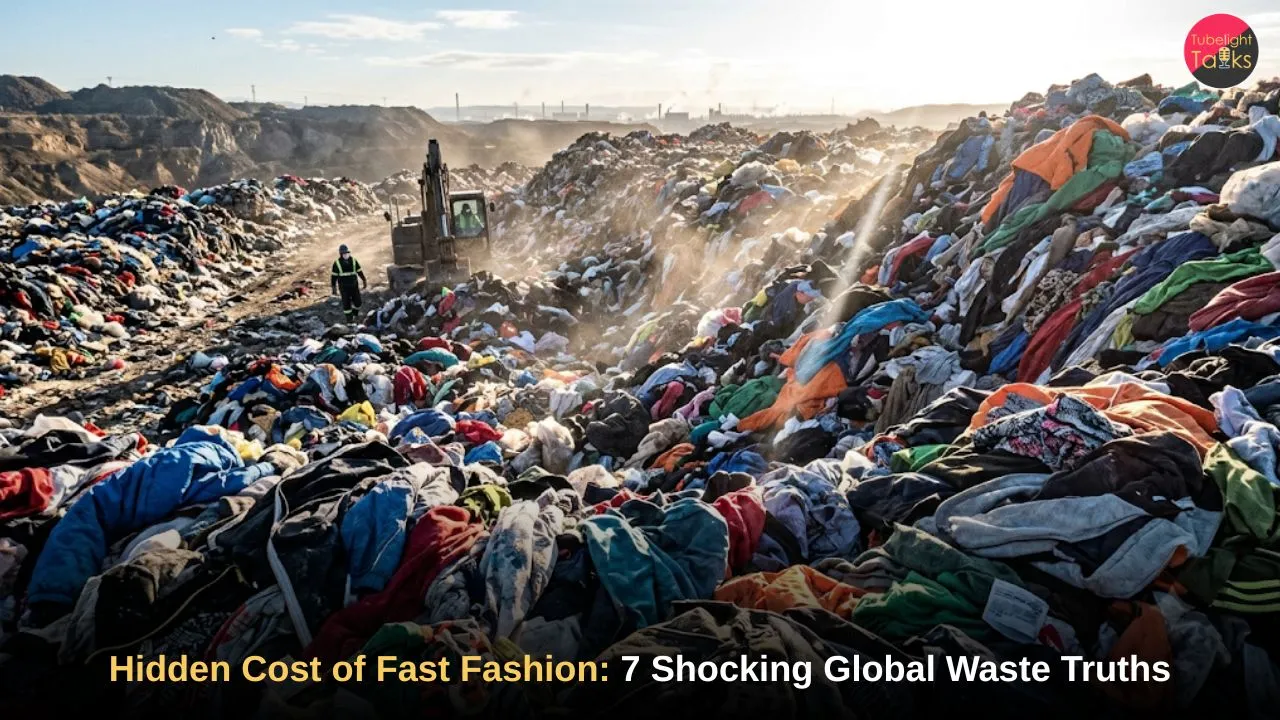
The hidden cost of fast fashion is exacting a devastating toll on global ecosystems, transforming everyday consumer convenience into an escalating environmental catastrophe. While lightning-fast style turnover and ultra-low retail pricing democratize current wardrobe trends, the ecological balance of the planet pays the real bill. Mounting textile waste overflows city landfills, synthetic textiles shed persistent microplastics into marine habitats, and industrial garment manufacturing exhausts freshwater reservoirs worldwide.
The United Nations Environment Programme (UNEP) calculates that our global society generates approximately 92 million tonnes of textile waste each year. As modern consumption trends accelerate, ecological support networks struggle under the weight of discarded garments.
Unmasking the True Hidden Cost of Fast Fashion
Between 2000 and 2015, worldwide clothing manufacturing doubled, yet consumer garment usage dropped drastically before disposal. Garments composed of blended fabrics present complex recycling bottlenecks, forcing municipal waste processors to divert millions of tons straight to incineration or open dumpsites.
According to data compiled by the U.S. Environmental Protection Agency (EPA), clothing and footwear account for roughly 13 million tons of municipal solid waste in the United States alone. Traditional post-consumer donation networks cannot absorb the deluge of low-grade textiles, rendering simple consumer recycling inadequate.
| Environmental Metric | Global Impact Estimate | Primary Regulatory / Research Source |
|---|---|---|
| Annual Global Textile Waste | ~92 Million Tonnes | UNEP Global Resource Assessments |
| Annual Water Depletion | 215 Trillion Litres | United Nations Water & Fashion Studies |
| Ocean Microplastic Contribution | ~9% of Total Marine Microplastics | IUCN & UNEP Marine Pollution Reports |
| Global Greenhouse Gas Share | 2% to 8% of Global Net Emissions | UN Fashion Industry Charter for Climate Action |
| US Municipal Clothing Waste | 13 Million Tons Annually | U.S. Environmental Protection Agency (EPA) |
Also Read: Fashion Industry Pulls Back on Diversity: Inclusivity Retreat Hits Global Brands
Industrial Water Depletion and Persistent Chemical Runoff
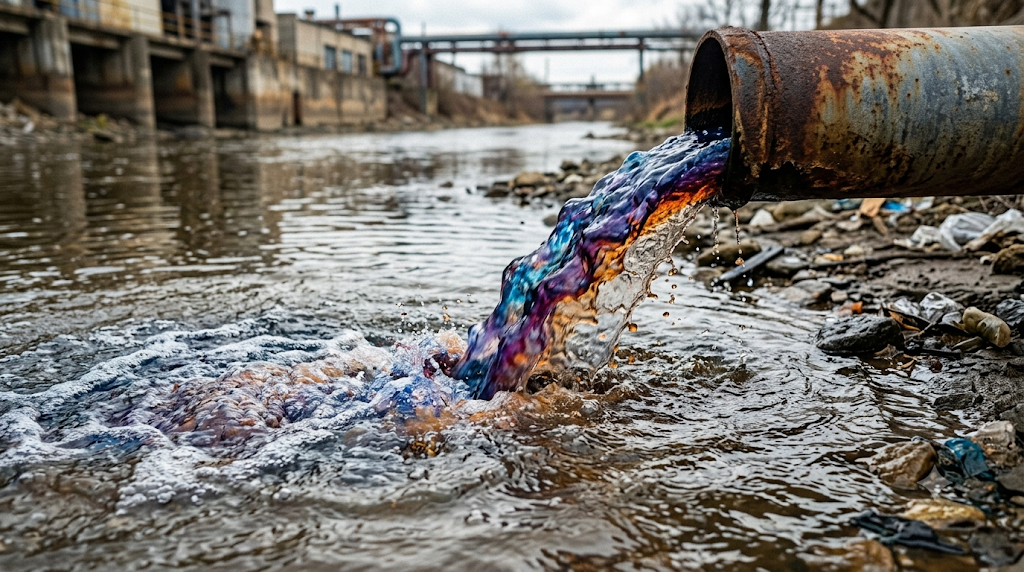
Textile agriculture and processing require massive water extraction before a single item reaches retail displays. Fabric dyeing, chemical bleaching, and final finishing operations introduce toxic industrial runoff into primary river systems, endangering local biodiversity.
Simultaneously, fossil-fuel-derived synthetics such as polyester and nylon resist organic decomposition. Mechanical friction during routine domestic laundering releases fine synthetic microfibres directly into waterways, where they resist sewage filtration and enter marine food webs.
Shifting from a Linear Drain to a Circular Lifecycle
The legacy fast fashion lifecycle follows a linear model: extract raw petroleum or water, manufacture quickly, buy on impulse, wear briefly, and discard into landfills. Establishing a viable circular model requires designing resilient garments, adopting regenerative textiles, extending clothing lifecycles through repair, and prioritizing resale networks.
Beyond Mindless Materialism: Finding Balance and Purpose Through True Spiritual Knowledge
The relentless expansion of consumerism exposes a deeper existential crisis: humanity attempts to satisfy inner emptiness through rapid, endless physical accumulation. Fleeting retail trends create an illusion of satisfaction, yet leave individuals trapped in cycle after cycle of financial burden, psychological anxiety, and environmental destruction.
True peace and contentment do not emerge from accumulating transient worldly assets or chasing ever-shifting trends. As taught by Supreme Saint Rampal Ji Maharaj, this transient world is a temporary staging ground where human life’s highest objective is not material indulgence, but the attainment of spiritual liberation through the genuine worship of Supreme God Kabir.
When human beings embrace the complete spiritual knowledge provided by Saint Rampal Ji Maharaj, natural contentment replaces artificial desire. A devotee lives simply, consumes only what is necessary, practices moral integrity, and directs vital life energy toward the true path of devotion rather than empty worldly pursuits. True divine worship delivers freedom from internal restlessness and rescues human consciousness from worldly decay.
To gain direct, verified access to complete spiritual enlightenment and true path of devotion, watch the official spiritual discourses on the Sant Rampal Ji Maharaj Official YouTube Channel.
FAQs on “Hidden Cost of Fast Fashion”
What are the primary factors driving the hidden cost of fast fashion?
The hidden cost encompasses massive freshwater depletion, toxic chemical runoff from textile dyes, microplastic emissions from synthetic fibres, and immense carbon footprints generated across global shipping supply chains.
How many tonnes of clothing waste enter dumpsites every year?
The United Nations Environment Programme estimates that global consumers and manufacturers generate approximately 92 million tonnes of textile waste each year, with the vast majority sent to landfills or incinerators.
Why do synthetic fibres exacerbate marine pollution?
Synthetics like polyester and nylon are petroleum-based plastics that shed microscopic fibres during normal domestic wash cycles, contributing roughly 9% of all annual ocean microplastic pollution.
What distinguishes a circular fashion system from standard retail models?
A circular fashion system focuses on durability, clean manufacturing, regular garment repair, and secondary resale, whereas traditional linear retail models focus on quick manufacture, short use, and disposal.
How can everyday consumers immediately curb clothing waste?
Consumers can cut textile waste by buying durable garments, using clothes across multiple seasons, mending damaged fabric, purchasing through second-hand channels, and choosing non-synthetic fabrics.
Related Stories








Discussion (0)