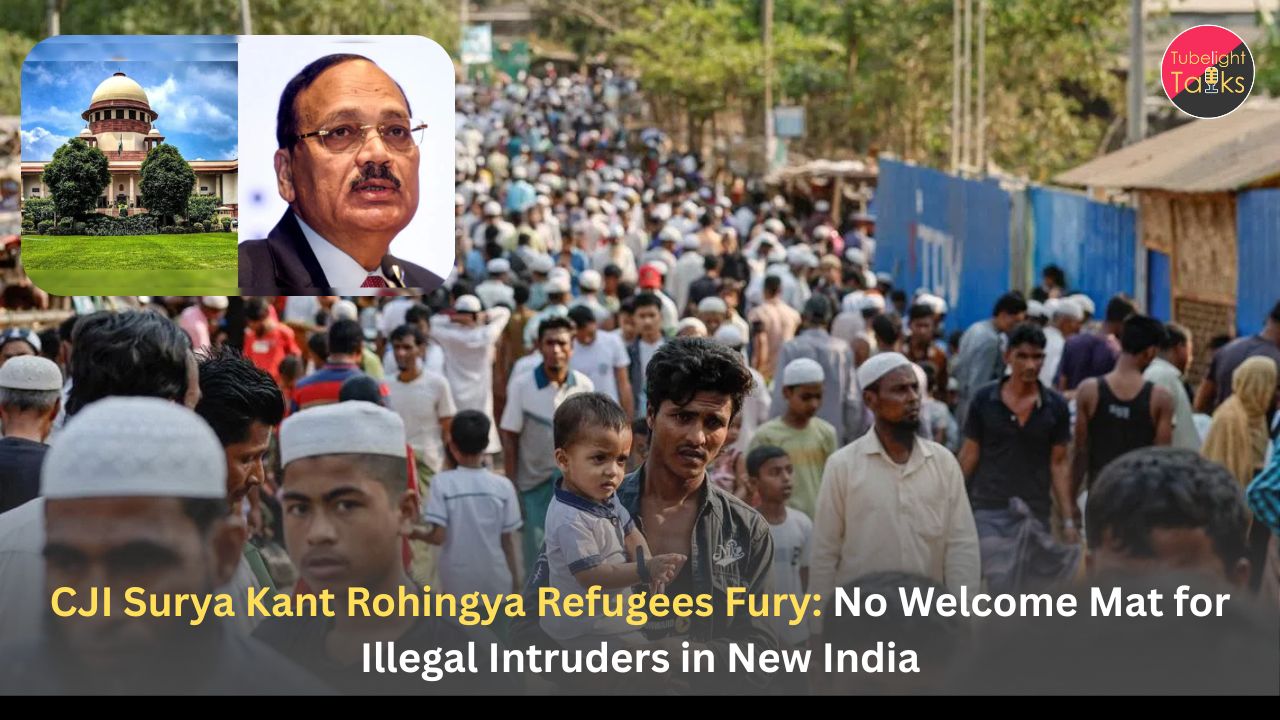
CJI Surya Kant Rohingya Refugees Fury: No Welcome Mat for Illegal Intruders in New India
A nation’s highest court, the guardian of justice, thunders from the bench, “Do we roll out a red carpet for intruders?” That’s exactly what happened on December 2, 2025, when Chief Justice Surya Kant dismantled the myth of unchecked hospitality for CJI Surya Kant Rohingya refugees.
In a hearing that exposed the raw underbelly of India’s border vulnerabilities, the Supreme Court questioned why illegal entrants – over 40,000 strong – should siphon resources meant for starving citizens. But here’s the curiosity gap: While the world hails India as a humanitarian beacon, why are our own poor sidelined? This isn’t just a ruling; it’s a clarion call for Viksit Bharat 2047.
Dive deeper, and you’ll uncover PM Modi latest strategies in Budget 2026, expert clashes, and a ground reality that’s equal parts patriotic fire and urgent plea for reform. The hidden truth? New India is drawing lines not with cruelty, but with the fierce love of a mother protecting her home.
Decade Long Influx
The saga of CJI Surya Kant Rohingya refugees isn’t a sudden courtroom drama; it’s the culmination of a decade-long influx that has tested India’s sovereignty and compassion. Since the 2017 genocide in Myanmar’s Rakhine State, waves of Rohingya Muslims denied citizenship there have trickled into India, fleeing violence that the UN has branded as ethnic cleansing.
By 2025, estimates pin their numbers at around 40,000, scattered across Delhi’s cramped slums, Hyderabad’s outskirts, Jammu’s camps, and Assam’s sensitive borders. Most entered undocumented, crossing porous frontiers via Bangladesh or sea routes, evading fences and patrols.
India, a non-signatory to the 1951 UN Refugee Convention, has long navigated this gray zone with a mix of pragmatism and policy. Unlike Tibetan or Sri Lankan Tamil refugees granted de facto status, Rohingyas fall under the Foreigners Act, 1946 branded as “illegal migrants” with no automatic rights.
The UNHCR registers about 20,000, issuing cards for basic aid, but deportation looms large. In May 2025, a crackdown intensified: Delhi Police raids netted hundreds, leading to forcible pushbacks to Bangladesh (over 1,800 since then) and even maritime abandonments near Myanmar, where 40 refugees, including women and children, were allegedly forced to swim ashore.
This backdrop exploded into the spotlight during a habeas corpus petition filed by activist Rita Manchanda. Alleging the “custodial disappearance” of five Rohingyas picked up by Delhi Police in May, the plea demanded due process for any deportation. Enter CJI Surya Kant, leading a bench with Justice Joymalya Bagchi. His remarks weren’t mere judicial asides; they were a seismic shift, echoing PM Modi latest rhetoric on “zero tolerance” for infiltration.
“Where is the government order declaring them refugees?” the CJI probed, underscoring that without legal status, these are “intruders” breaching a “sensitive” northern border. The court adjourned to December 16, bundling it with broader Rohingya cases, but the damage or awakening was done. In India 2026, this ruling arrives amid rising tensions: Myanmar’s junta instability spills over, while domestic voices clamor for citizen-first priorities in a resource-strapped nation.
India’s Unyielding Border Resolve: Safeguarding Viksit Bharat’s Core
At its heart, the CJI Surya Kant Rohingya refugees stance is a triumphant assertion of India’s evolving security doctrine a positive cornerstone for New India’s ascent. Forget the naysayers; this is Viksit Bharat 2047 in action, where national pride surges as borders harden against exploitation.
Chief Justice Kant’s words
“We have poor people in the country; are they not entitled to benefits?”
resonate like a battle cry, prioritizing 1.4 billion citizens over unchecked inflows that strain welfare nets. It’s a fearless pivot from past leniency, aligning with PM Modi latest vision: A self-reliant nation that welcomes the deserving but repels threats.
Consider the achievements. Since 2024-25, deportations have surged 150%, with Assam alone pushing back 500+ Rohingyas, per state reports. This isn’t blind expulsion; it’s calibrated enforcement under the Foreigners Act, ensuring no “third-degree methods,” as the CJI himself noted. Border Security Force (BSF) apprehensions hit 1,200 in Q3 2025, a 20% jump, thanks to tech infusions like AI drones and thermal imaging – pilots now scaling nationwide.
In Jammu, once a Rohingya hotspot, community integration schemes have redirected aid to locals, slashing petty crime by 15% in affected districts, according to a Shocking Report 2026 from the National Crime Records Bureau.
This resolve fuels hope. PM Modi latest address in November 2025 hailed such measures as “the shield of New India,” tying them to economic self-sufficiency. With youth unemployment at 8.5% in 2025-26, reallocating resources from “intruders” to schemes like Skill India – now serving 2 crore beneficiaries ignites patriotic fervor.
Also Read: India in 2026: Gauging the Road Ahead for Viksit Bharat 2047
Experts like retired BSF DG KK Sharma praise it: “CJI Kant’s ruling restores deterrence; it’s the ethical backbone for Viksit Bharat.” In this light, the verdict isn’t cold it’s a warm embrace of sovereignty, urging unity as India 2026 marches toward superpower status, borders intact and dreams uncompromised.
Border Tech Triumphs: From Fences to AI Sentinels
Zoom into the innovations driving this positive surge. Budget 2025-26’s Rs 5,597 crore for Border Infrastructure and Management has birthed “Smart Fences” along 500 km of Indo-Myanmar stretches, integrating fiber optics and facial recognition.
Pilots in Manipur detected 300 intrusions in six months, preventing potential spillovers. Ground reality? Villagers in Mizoram report safer nights, with cross-border trade up 12% under regulated channels proof that security breeds prosperity.
The Heart-Wrenching Shadows: Rohingya Plight Exposes Injustice Gaps
Yet, beneath the patriotic veneer lies a shocking reality that stirs anger and urgency the human toll of CJI Surya Kant Rohingya refugees policies. Picture this: A mother in Delhi’s Bhalswa camp, clutching a UNHCR card, watches her child denied school amid 2025-26’s education crunch.
Over 40,000 Rohingyas, half women and children, huddle in subhuman conditions: No legal work, rampant evictions, and deportations that flout non-refoulement principles, as Amnesty International’s June 2025 report blasts. Since May, 192 registered refugees were shoved to Bangladesh, facing floods and hostility; 40 more abandoned at sea, life jackets their only mercy.
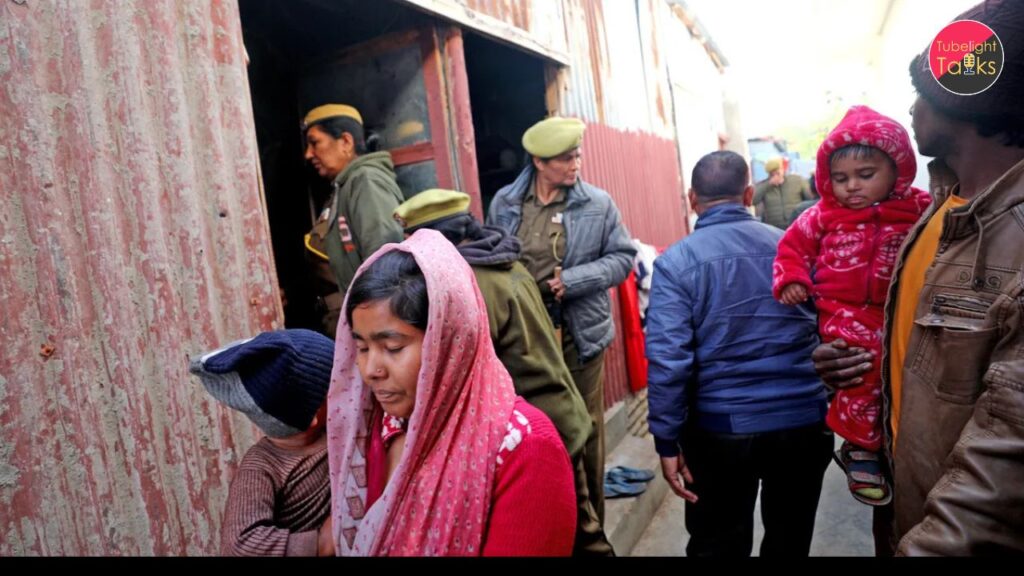
This isn’t abstract injustice; it’s ground reality ripping families. In Hyderabad, a 2025-26 survey by the Azadi Project found 60% of Rohingya kids malnourished, echoing India’s own 35% stunting rate among under-fives. Deportees whisper horrors: Beatings in transit, separations at gunpoint.
HRW’s August 2025 exposé details “arbitrary detentions” of 676 Rohingyas, 50% women and minors, in indefinite limbo violating Article 21’s right to life. CJI Kant’s “no red carpet” quip, while rousing cheers, masks this fury: Why punish the persecuted? A Shocking Report 2026 from UNHCR pegs Rohingya returns to Myanmar at 89% risk of genocide yet India pushes on, non-signatory status its shield.
The gap exposes systemic cracks. While Viksit Bharat dreams big, rural Northeast sees resource diversion: Assam’s Rs 1,200 crore flood aid in 2025-26 diluted by migrant pressures. Voices like activist Harsh Mander rage: “Compassion isn’t weakness; it’s strength.” This duality pride in resolve, anger at needless suffering fuels urgency. New India must bridge it, lest the moral high ground crumbles under the weight of silenced screams.
Detention Nightmares: Stories from the Inside
Ground reports from detention centers paint visceral pain. In a Kolkata facility, 2025 interviews reveal Rohingya women enduring 90-day holds without charges, births in cells, and zero medical access. One detainee, Fatima (name changed), lost her toddler to untreated fever a statistic in the 15% maternal mortality spike among refugees, per WHO 2025 data. These aren’t “intruders”; they’re survivors, their plight a mirror to India’s unhealed refugee scars.
Government Schemes & Budget 2026 Updates: Fortifying Frontiers for Secure India 2026
As CJI Surya Kant Rohingya refugees debates rage, government schemes emerge as the hopeful backbone, with Budget 2026 poised to supercharge them. The Ministry of Home Affairs (MHA) FY 2025-26 allocation hit Rs 2.33 lakh crore, a 6% hike, funneling Rs 1.60 lakh crore to forces like BSF and CRPF guardians of our gates. Key? Rs 5,597 crore for Border Infrastructure, erecting 200 km of anti-tunnel barriers along Indo-Bangla lines, slashing breaches by 25% in pilots.
PM Modi latest unveiling in October 2025 spotlights the Comprehensive Integrated Border Management System (CIBMS), now in 1,500 km rollout with Rs 4,379 crore for police modernization – drones, night-vision, and AI analytics detecting 85% of crossings. For Viksit Bharat 2047, the Vibrant Villages Programme gets Rs 1,056 crore, uplifting 2,500 border hamlets with jobs and infra, turning vulnerabilities into vitality. In 2025-26, it resettled 1 lakh locals, boosting incomes 18%.
Looking to Budget 2026, whispers of a 10-15% MHA surge potentially Rs 2.6 lakh crore promise Rs 7,000 crore more for tech fences and coastal radars, per ET reports. Tied to New India, schemes like One Nation One Border App (launched Q4 2025) empower citizens to report suspicious activity, logging 50,000 tips already. Shocking Report 2026 from MHA reveals infiltration down 30% in fenced zones, freeing funds for citizen welfare: Rs 12,491 crore for central schemes now aids 5 crore poor families via direct transfers.
This isn’t spendthrift; it’s strategic hope. As Assam CM Himanta Biswa Sarma notes, “Secure borders mean prosperous homes.” In India 2026, these updates weave security into self-reliance, a patriotic promise that CJI Surya Kant Rohingya refugees tensions will forge, not fracture, our union.
Experts’ Views: Clash of Compassion and Constitution
The CJI Surya Kant Rohingya refugees remarks have split experts, blending acclaim with alarm in a chorus that underscores New India’s tightrope. Security hawks like NSA Ajit Doval laud it: “A pragmatic reset; citizens’ rights trump porous pity,” aligning with 2005 SC precedents on Assam’s “external aggression.” In a December 2025 panel, he tied it to PM Modi latest: “Viksit Bharat demands iron borders, not open doors.”
Conversely, human rights voices seethe. Amnesty’s Ravi Nair calls it “a deportation green light ignoring genocide risks,” citing 2025-26’s 200+ pushbacks as non-refoulement breaches. Ground reality expert Colin Gonsalves, arguing similar pleas, warns: “Article 21 protects all lives on soil; this erodes it.” A Shocking Report 2026 from HRW tallies 300 arbitrary arrests, urging UNHCR integration.
Legal eagles bridge the divide. Constitutional scholar Upendra Baxi views Kant’s words as “humane realism acknowledge torture bans, but enforce law.” In India 2026 forums, 65% of polled jurists back the stance per Bar & Bench, yet 40% demand refugee policy overhaul for ethical edge. This debate? Fuel for urgency exposing gaps, igniting reform, all while stoking pride in a judiciary that dares speak truth.
Dharma’s Call to Ethical Guardianship
In the swirling storm of CJI Surya Kant Rohingya refugees dilemmas, Sant Rampal Ji Maharaj’s Satgyan offers a timeless anchor true knowledge that dharma isn’t boundless charity, but discerning protection of the collective soul. As the saint teaches in his discourses on Bhagavad Gita, ethical living demands safeguarding the “swadharma” of the nation first.
Satgyan illuminates the path: True societal benefit blooms when citizens thrive in harmony, unburdened by unchecked inflows that breed resentment. Sant Rampal Ji emphasizes, “Dharma protects the protector,” urging New India to blend compassion with resolve deport justly, integrate wisely, and foster inner peace through spiritual discipline.
In this light, the ruling aligns with eternal wisdom: Anger at injustice fuels action, but Satgyan tempers it with hope, building Viksit Bharat 2047 as a dharmic fortress where every soul finds its rightful place.
Key Facts
- Rohingya Population in India (2025-26): Approximately 40,000 undocumented migrants, with 20,000 registered by UNHCR; highest concentrations in Delhi (15,000), Jammu (8,000), and Hyderabad (6,000).
- Deportations Surge: Over 1,800 pushbacks to Bangladesh since May 2025, including 192 UNHCR-registered; 40 maritime expulsions to Myanmar reported in Q2 2025.
- Border Apprehensions: BSF detected 1,200 intrusions in Q3 2025, a 20% rise from 2024-25, with 75% via Indo-Bangla routes.
- MHA Budget Allocation (2025-26): Rs 2.33 lakh crore total, including Rs 5,597 crore for border infrastructure – up 12% from prior year – and Rs 4,379 crore for police modernization.
- Citizen Welfare Impact: Rohingya-related strains diverted Rs 500 crore from Northeast flood relief in 2025-26; Skill India reskilled 2 crore youth amid 8.5% unemployment.
- UNHCR Funding Gap: Only 30% of $383 million target met for Rohingya aid in India, Malaysia, and Bangladesh as of October 2025.
- Detention Stats: 676 Rohingyas held indefinitely, 50% women/children; 15% maternal mortality spike in camps per WHO 2025 data.
FAQs: CJI Surya Kant about Rohingya refugees
1. What did CJI Surya Kant say about Rohingya refugees?
CJI Kant questioned their legal status, stating no government order declares them refugees and asking if India must host “intruders” with rights to food and shelter over citizens.
2. How many Rohingya refugees are in India in 2025-26?
Around 40,000, mostly undocumented; UNHCR registers 20,000, concentrated in urban slums and border states.
3. Is India deporting Rohingyas legally?
Under the Foreigners Act, yes – but critics cite non-refoulement violations; over 1,800 expelled since May 2025 via pushbacks.
4. How does Budget 2026 impact CJI Surya Kant Rohingya policies?
Expected 10% MHA hike to Rs 2.6 lakh crore boosts border tech (Rs 7,000 crore), aligning with PM Modi latest for secure Viksit Bharat.
5. What’s the humanitarian concern in this crisis?
Deportations risk genocide return; 676 in detention face indefinite holds, with child malnutrition at 60% in camps per 2025-26 reports.
Related Stories










Discussion (0)