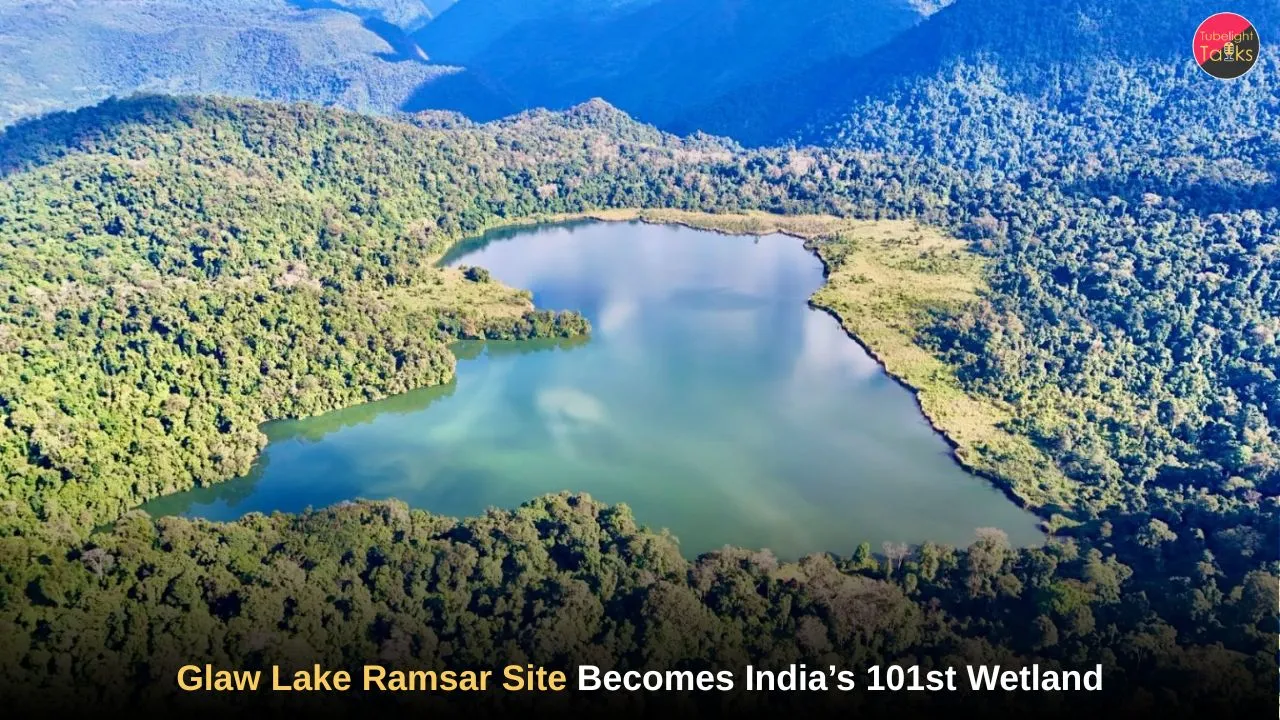
Glaw Lake Ramsar Site Becomes India’s 101st Wetland, Marking Arunachal Pradesh’s First Ramsar Site
Glaw Lake Ramsar Site has been designated as India’s 101st Wetland of International Importance under the Ramsar Convention, making it the first Ramsar Site in Arunachal Pradesh. Union Environment, Forest and Climate Change Minister Bhupender Yadav announced the designation, describing it as a significant step for biodiversity conservation, water and climate security, and sustainable livelihoods. The addition also reflects India’s continued expansion of its Ramsar network and commitment to wetland conservation.
Glaw Lake Ramsar Site Declared India’s 101st Ramsar Site
Union Minister for Environment, Forest and Climate Change Bhupender Yadav announced that Glaw Lake Ramsar Site in Arunachal Pradesh has been designated as India’s 101st Ramsar Site under the Ramsar Convention.
The announcement was made through a post on the social media platform X, where the Minister described the designation as an important step towards:
- Biodiversity conservation
- Water security
- Climate security
- Sustainable livelihoods
The recognition also marks a significant milestone for Arunachal Pradesh, as Glaw Lake becomes the state’s first Ramsar Site.
A Significant Milestone for Arunachal Pradesh
The inclusion of Glaw Lake in the global list of Ramsar Sites represents the first international wetland recognition for Arunachal Pradesh.
According to the Minister, the designation reflects India’s continued commitment to:
- Wetland conservation
- Biodiversity protection
- Environmental protection
- Sustainable development
He also stated that every new Ramsar Site strengthens the country’s resolve to protect nature while safeguarding communities that depend on these valuable ecosystems.
Also Read: Commonwealth Weightlifting Gold: Indian Lifters Shine at Youth and Junior Championships in Samoa
Glaw Lake’s Ecological Importance
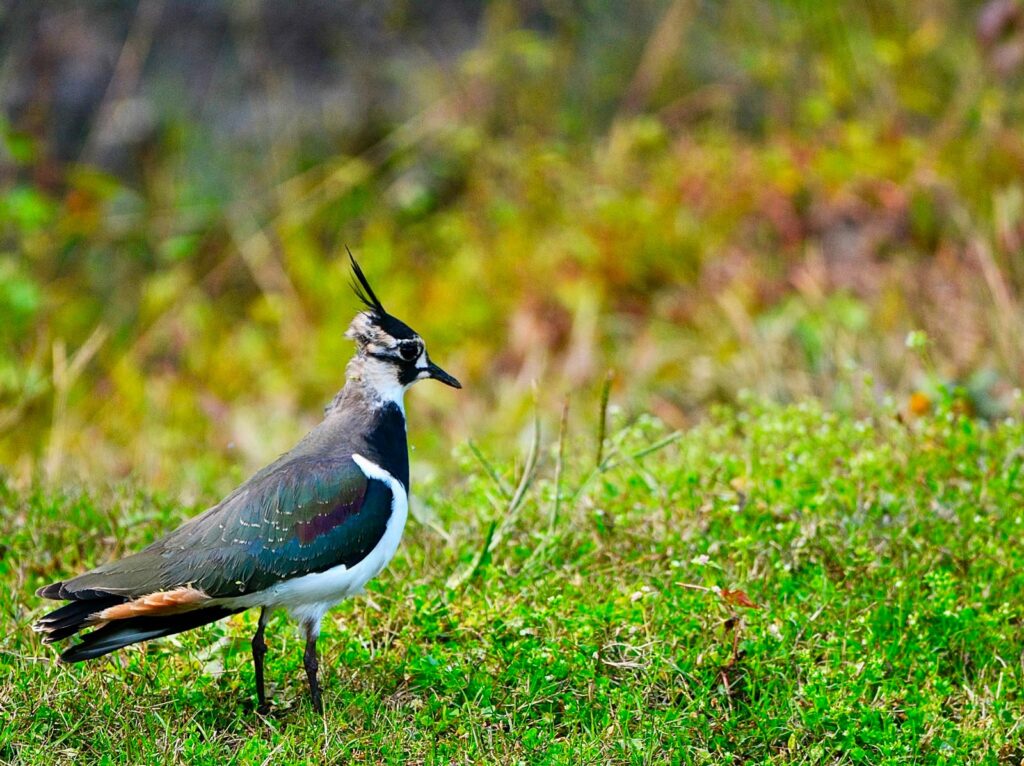
Image Source: X/@byadavbjp
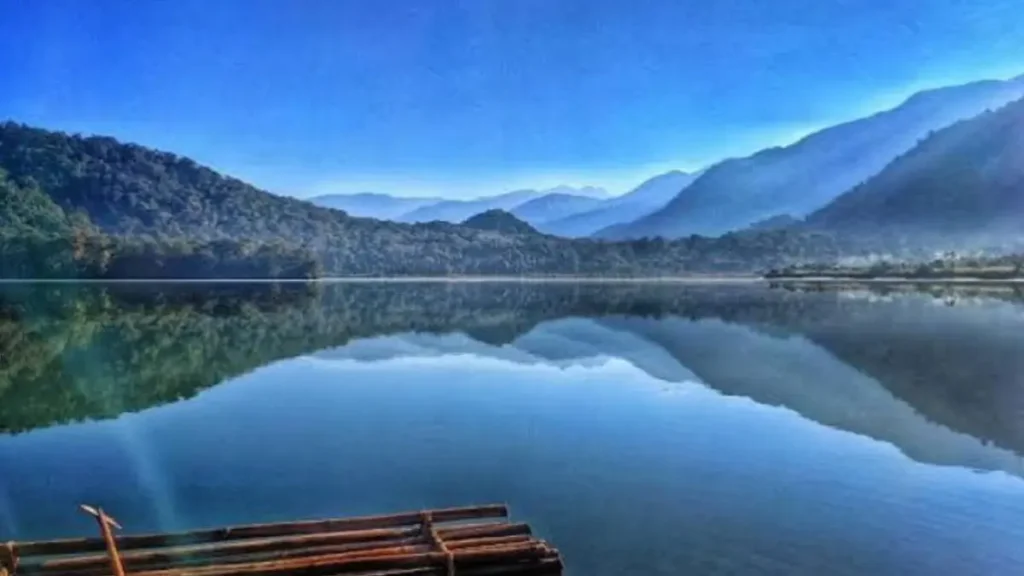
Located within the Kamlang Tiger Reserve and Wildlife Sanctuary in the Eastern Himalayas, Glaw Lake Ramsar Site is recognised as a pristine freshwater lake and an important biodiversity hotspot.
The lake:
- Is fed by perennial mountain streams
- Is surrounded by lush and dense natural vegetation
- Supports rich floral diversity
- Serves as an ecologically important freshwater wetland
According to the Ministry of Environment, Forest and Climate Change (MoEFCC) , the wetland and its catchment area support:
| Ecological Feature | Details |
| Tree species | More than 150 |
| Orchid species | 49 |
| Water source | Perennial mountain streams |
| Location | Kamlang Tiger Reserve and Wildlife Sanctuary |
| Region | Eastern Himalayas |
The Ministry said these features highlight the ecological significance of Glaw Lake and its surrounding landscape.
India’s Ramsar Network Continues to Expand
While announcing the development, Bhupender Yadav noted that India’s Ramsar network has expanded significantly over the past decade.
Also Read: सिलीसेढ़ झील बनी राजस्थान की पांचवीं रामसर साइट, अंतरराष्ट्रीय मंच पर मिला सम्मान
He said the country has increased its Ramsar Sites from 26 in 2014 to 101, reflecting India’s continued focus on:
- Environmental protection
- Biodiversity conservation
- Sustainable development
The Minister stated that this progress has taken place under the leadership of Prime Minister Narendra Modi.
He also remarked:
“India continues her journey beyond a century in designating Ramsar Sites.”
Role of Ramsar Sites in Wetland Conservation
The Ramsar designation is expected to strengthen conservation efforts for Glaw Lake while promoting the sustainable management of its natural resources.
According to the available information, the recognition also reinforces India’s commitment to protecting ecologically important wetlands and ensuring that communities dependent on these ecosystems continue to benefit from their environmental and economic value.
Wetlands are land areas covered by water either:
- Permanently
- Temporarily
- Seasonally
These ecosystems play an important role in:
- Supporting biodiversity
- Flood control
- Water supply
- Food production
- Fibre resources
- Raw material availability
India’s Position in Global Ramsar Conservation
Globally, there are nearly 2,600 wetlands designated under the Ramsar Convention.
| Country | Ramsar Sites |
| United Kingdom | 176 |
| Mexico | 144 |
| India | 101 |
India has the highest number of Ramsar Sites in Asia and the third-highest globally, after the United Kingdom and Mexico.
What the Designation Represents
The designation of Glaw Lake Ramsar Site highlights the ecological importance of one of the Eastern Himalayas’ freshwater wetlands. The recognition also marks Arunachal Pradesh’s first Ramsar Site while taking India’s total to 101. According to the statements made by Union Minister Bhupender Yadav and information provided by the Ministry of Environment, Forest and Climate Change, the development reflects the country’s continued emphasis on wetland conservation, biodiversity protection, environmental sustainability, and the long-term well-being of communities connected to these ecosystems.
Serving Humanity Through Environmental Responsibility
The recognition of Glaw Lake as a Ramsar Site highlights the importance of conserving ecosystems that sustain biodiversity and human life. At a time when parts of Northeast India, including Assam, have witnessed severe flooding, relief and environmental protection remain equally significant.
Alongside the efforts of governments and various humanitarian organisations providing assistance to affected communities, Tatvdarshi Saint Rampal Ji Maharaj has also inspired humanitarian service through initiatives focused on helping people in need, promoting cleanliness drives, supporting tree plantation, and encouraging environmental responsibility.
Such efforts reflect the broader message that protecting nature and serving humanity are complementary responsibilities for building a sustainable future.
For more information please visit SA News YouTube Channel
FAQs on Glaw Lake Ramsar Site
1. What is Glaw Lake Ramsar Site?
Glaw Lake is a freshwater wetland in Arunachal Pradesh designated as India’s 101st Ramsar Site under the Ramsar Convention.
2. Why is Glaw Lake important?
It is a biodiversity hotspot supporting over 150 tree species and 49 orchid species within its wetland and catchment.
3. Where is Glaw Lake located?
It is located within the Kamlang Tiger Reserve and Wildlife Sanctuary in the Eastern Himalayas of Arunachal Pradesh.
4. Why is this designation significant for Arunachal Pradesh?
Glaw Lake is the first Ramsar Site in Arunachal Pradesh, marking the state’s first internationally recognised wetland.
5. How many Ramsar Sites does India have now?
Following the addition of Glaw Lake, India now has 101 Ramsar Sites, the highest number in Asia.
Related Stories








Discussion (0)