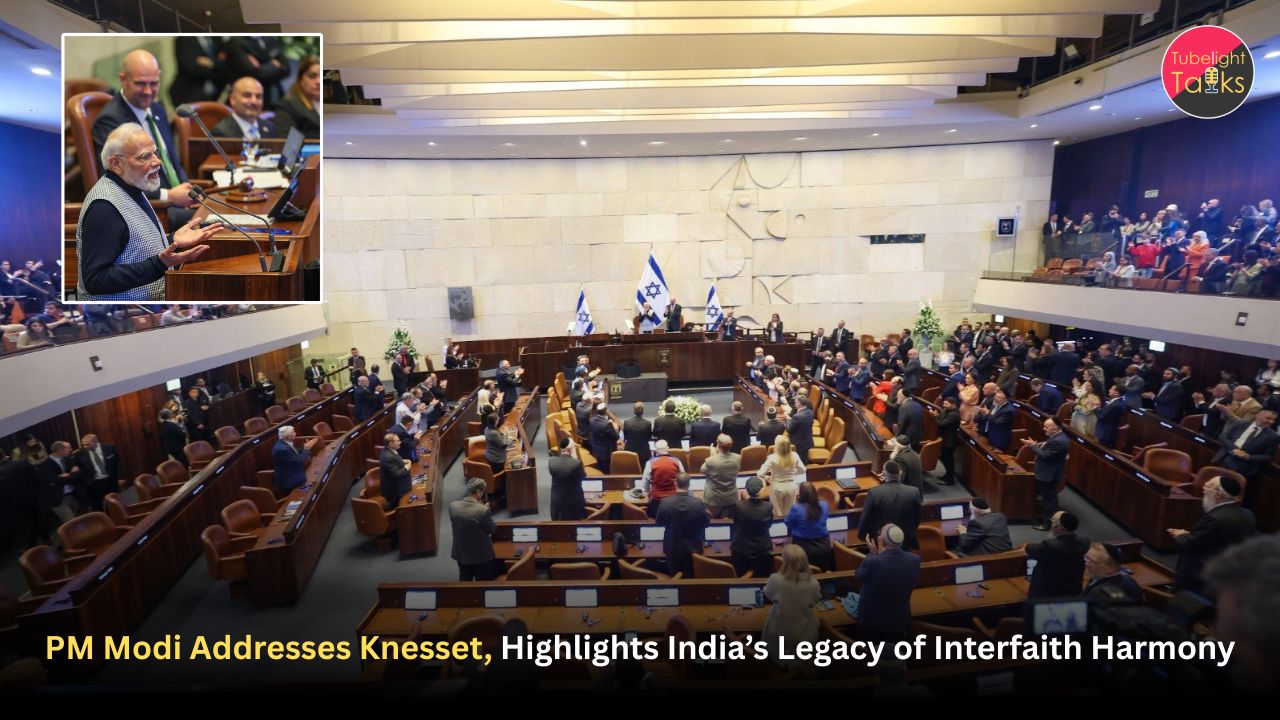
PM Modi’s Knesset Message of Interfaith Harmony
PM Modi Addresses Knesset: Prime Minister Narendra Modi, during his official visit to Israel, delivered a significant address at the Knesset, Israel’s Parliament. His speech emphasized India’s long-standing commitment to pluralism, religious coexistence, and democratic values. Highlighting the centuries-old presence of Jewish communities in India, he noted how they have historically lived without facing persecution.
The address not only strengthened diplomatic ties between India and Israel but also resonated globally as a message of unity in an increasingly divided world. By referencing shared history and cultural respect, the speech underscored the enduring bond between the two nations.
India’s Unique Jewish Heritage
Centuries of peaceful coexistence
India is home to one of the oldest Jewish diasporas in the world. Jewish communities such as the Bene Israel, Cochin Jews, and Baghdadi Jews have lived in India for centuries.
Unlike many parts of the world, India’s Jewish population historically did not face state-sponsored persecution, making the country a unique example of religious tolerance.
Celebrating Indian-Jewish icons
In his speech, PM Modi highlighted prominent Indian-Jewish personalities:
- Dr. Reuben David, founder of Ahmedabad’s Kankaria Zoo, who contributed significantly to wildlife conservation.
- David Abraham Cheulkar, fondly remembered as “Uncle David,” a beloved actor in Indian cinema.
By invoking these names, the Prime Minister emphasized that Jewish citizens were not just residents but integral contributors to India’s cultural and civic life.
Strengthening India-Israel Relations
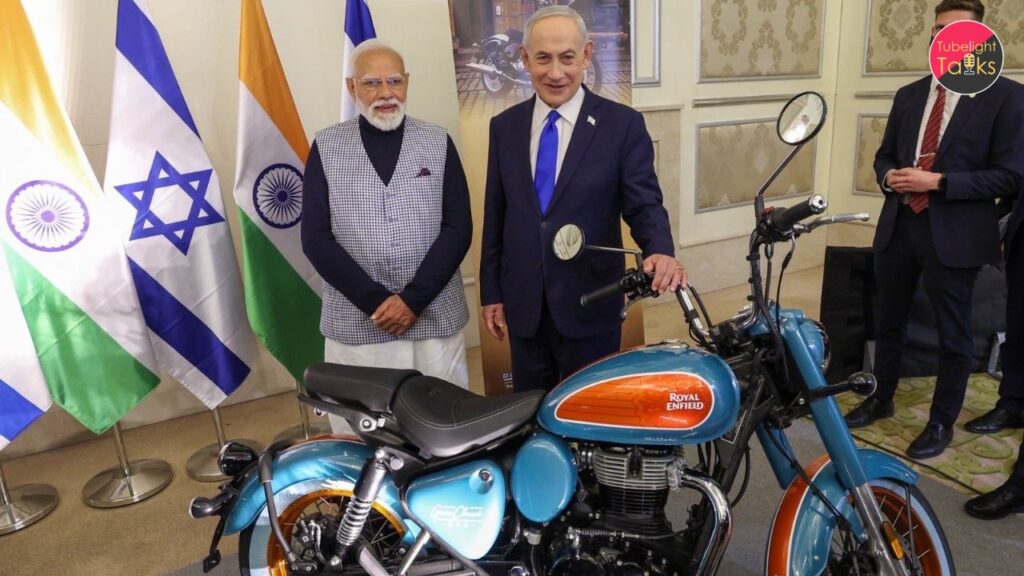
Strategic and cultural partnership
India and Israel share strong ties in areas such as defense cooperation, agriculture technology, water management, and innovation.
The Prime Minister’s address reinforced these strategic collaborations while adding a cultural and historical dimension to the partnership.
Shared democratic values
Both nations function as vibrant democracies. The speech emphasized mutual respect, rule of law, and cultural diversity as foundational values that bind India and Israel together.
Also Read: PM Modi’s Malaysia Visit: Trust, Trade, and Regional Strategy in Focus
A Global Message in a Time of Tension
Promoting pluralism
In a global environment often marked by polarization and sectarian conflict, highlighting interfaith harmony sends a powerful diplomatic message.
The Prime Minister’s remarks positioned India as a nation where diversity is embraced rather than suppressed.
Soft power diplomacy
Cultural diplomacy plays a crucial role in modern geopolitics. By referencing history and shared human stories, the speech transcended politics and focused on people-to-people bonds.
Why This Address Is Trending
The speech has gained attention for several reasons:
- Its emphasis on religious tolerance.
- Celebration of lesser-known Indian-Jewish figures.
- The symbolic significance of addressing the Knesset.
- The timing amid global geopolitical tensions.
Social media reactions describe the moment as a reaffirmation of India’s pluralistic heritage.
The Broader Reflection: Harmony as Strength
Societies flourish when diversity is respected. In spiritual teachings shared by Sant Rampal Ji Maharaj, harmony, compassion, and respect for all human beings are central principles. True strength lies not in division, but in unity rooted in understanding.
PM Modi’s address echoed a similar message- highlighting that coexistence and cultural respect are not signs of weakness, but pillars of national resilience.
FAQs
Where did PM Modi deliver the speech?
At the Knesset, Israel’s Parliament.
What was the central theme of the address?
Interfaith harmony and the historic presence of Jewish communities in India.
Which Indian-Jewish figures were mentioned?
Dr. Reuben David and David Abraham Cheulkar.
Why is this speech significant?
It reinforces India-Israel ties and highlights India’s pluralistic heritage.
Why is the speech trending globally?
Because it promotes unity and coexistence during a period of international tensions.
Related Stories






Discussion (0)