India’s “Freedom of Navigation” Diplomacy: PM Modi on Hormuz Crisis as He Calls Iran Amid Global Supply Chain Risks
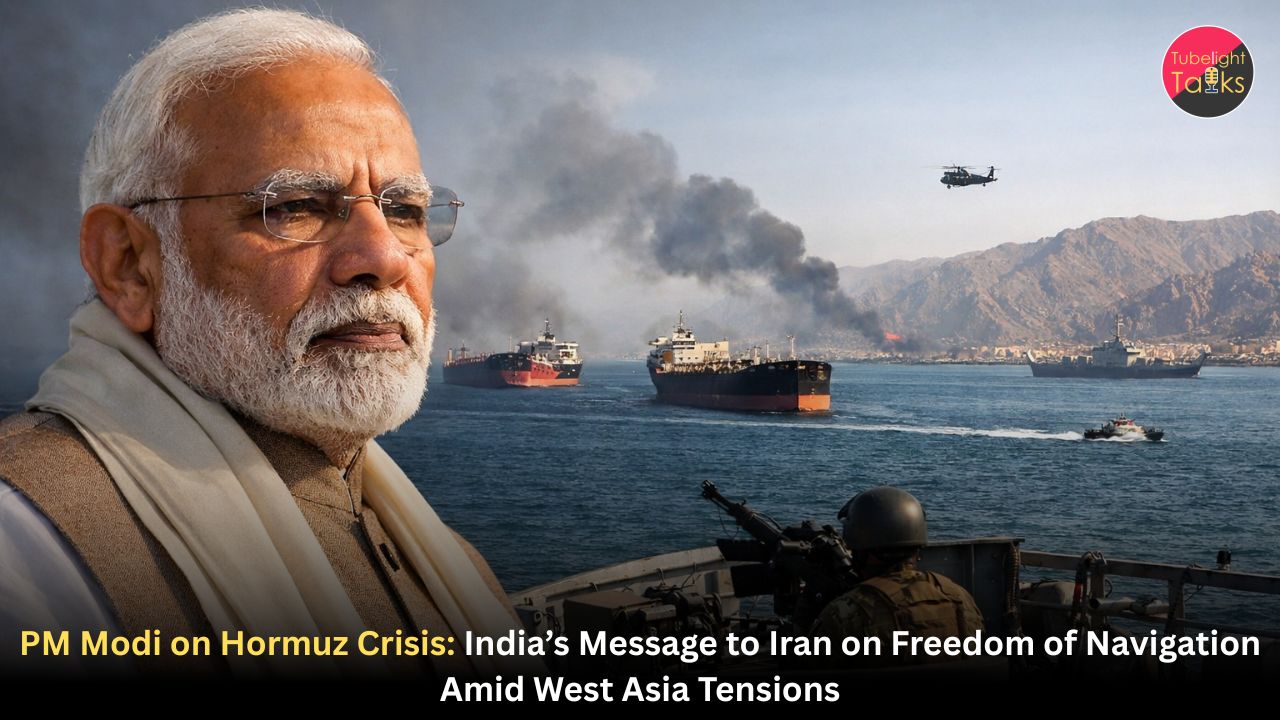
India has moved into active crisis diplomacy as the West Asia conflict sharpens around energy routes and maritime security. On Saturday, March 21, 2026, Prime Minister Narendra Modi spoke with Iranian President Masoud Pezeshkian, conveyed greetings for Eid and Nowruz, and at the same time delivered a clear strategic message, with PM Modi on Hormuz crisis stating that attacks on critical infrastructure are dangerous, and shipping lanes must remain open and secure.
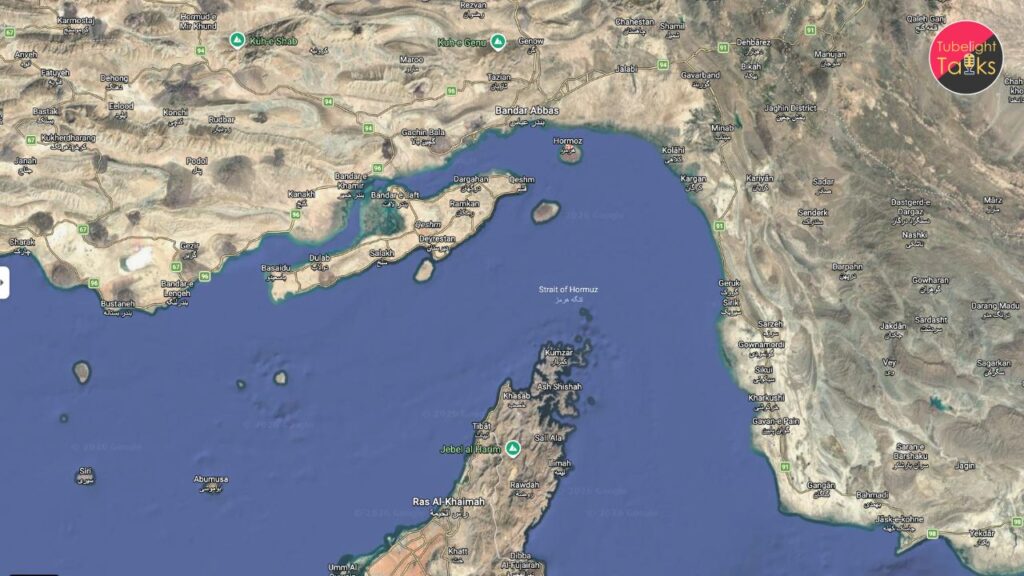
The conversation came as India faces disruption risks in the Strait of Hormuz, a waterway central to oil, gas, trade, and the safety of Indian seafarers and nationals in the region.
PM Modi’s call was diplomatic, but the message was hard-edged
The official Indian readout leaves little doubt about the substance of the conversation. According to the Prime Minister’s office, both leaders discussed the West Asia situation, expressed hope for peace and stability, and India condemned attacks on critical infrastructure that threaten regional stability and disrupt global supply chains.
Most importantly, PM Modi reiterated the need to safeguard freedom of navigation and ensure shipping lanes remain “open and secure.” That phrase matters because it turns the call into more than a courtesy exchange; it frames India’s stand as a maritime-security principle tied directly to commerce and energy flows.
This was also a carefully balanced communication. India did not publicly echo Tehran’s political language about the war, but it did engage Iran directly, respectfully, and at the highest level. Reuters reported that President Pezeshkian used the conversation to call for an end to what Iran described as U.S.-Israeli aggression and urged a stronger role for BRICS, while Modi’s side stayed focused on infrastructure, navigation, and the safety of Indian nationals.
That difference in emphasis shows India’s diplomatic method: stay engaged with all sides, but keep the public message centered on stability, connectivity and national interest.
Why the Strait of Hormuz matters so much to India
The Strait of Hormuz is not just another sea lane. The International Energy Agency says an average of 20 million barrels per day of crude oil and oil products moved through the Strait in 2025, equal to around 25% of world seaborne oil trade. The same IEA note says about 19% of global LNG trade also transits Hormuz, and 80% of the oil passing through the Strait is destined for Asia. The bulk of the crude leaving Hormuz heads to Asian economies, with China, India and Japan among the main importers.
The U.S. Energy Information Administration similarly describes Hormuz as one of the world’s most important oil chokepoints. EIA data shows that in 2024, oil flow through the Strait averaged 20 million barrels a day, or about 20% of global petroleum liquids consumption, while roughly one-fifth of global LNG trade also moved through that corridor. In plain terms, when Hormuz is threatened, India does not watch from a distance; it feels the shock in fuel planning, import logistics, industrial costs and inflation expectations.
That is why the phrase “freedom of navigation” is central. It is legal language, diplomatic language, and economic language all at once. India is effectively saying that commercial movement through a strategic international waterway cannot be held hostage to an expanding regional war. The emphasis on secure shipping lanes is therefore not rhetorical—it is a demand for continuity in the arteries of the global economy.
Also Read: Hormuz Crisis: India Moves to Secure 22 Vessels Carrying Vital Energy Supplies
This is not only about oil tankers; it is also about Indians on the water and in the region
India’s official briefings show that the government is treating the crisis as both a geopolitical emergency and a citizen-protection challenge. The latest PIB update says 22 Indian-flagged vessels with 611 Indian seafarers remain in the western Persian Gulf region, while the Directorate General of Shipping continues close monitoring. The same release says the Shipping control room has handled thousands of calls and emails since activation, and that India’s maritime sector is being watched closely to ensure uninterrupted port operations and trade continuity.
The people dimension extends beyond ships. The government said on March 21 that since February 28, around 3.3 lakh passengers had returned to India from the region. Indian missions and posts across West Asia are operating round the clock, and assistance continues for seafarers, students, stranded nationals and short-term visitors. That context makes the Modi-Pezeshkian call even more significant: India is not only defending an abstract principle of navigation; it is working to shield real people whose lives and livelihoods are exposed to the conflict.
Shipping data shows why India moved urgently
What turned this diplomatic concern into an immediate crisis was the sharp disruption to actual vessel movement. Reuters reported on March 20 that two Indian-flagged LPG tankers—Pine Gas and Jag Vasant—were preparing to sail through Hormuz after a pause in voyages, while no crude oil tankers had transited the waterway in the previous 24 hours, according to shipping data and sources.
The same Reuters report noted that hundreds of vessels had dropped anchor since Tehran threatened ships attempting to leave the Gulf, underscoring how fear and uncertainty had already changed maritime behavior.
Reuters also reported that India’s foreign ministry spokesperson said the country was “in favour of safe and unhindered movement” of its fleet of 22 vessels inside the Gulf and that the Prime Minister was speaking to other leaders about safe passage. That matters because it links the Modi-Pezeshkian call to a wider operational effort: India is combining diplomacy, maritime coordination, and crisis monitoring rather than waiting for military or market outcomes alone to solve the problem.
Also Read: Brent Crude Price Surge Above $111 as Qatar LNG Damage Shocks Global Markets
Modi’s Iran outreach fits into a larger India strategy across West Asia
The call to Iran is one part of a broader regional outreach. Government updates show that in recent days PM Modi also spoke with leaders in Bahrain, Qatar, Jordan, Oman, France and Malaysia about the evolving situation. In those conversations too, India and its partners denounced attacks on energy and civilian infrastructure, supported safe or unhindered transit of goods and energy, and emphasized maritime stability. This broader pattern suggests that New Delhi is trying to prevent a shipping crisis from hardening into a long-term regional blockade narrative.
That wider diplomatic canvas is important. India needs working relations with Gulf monarchies, with Iran, and with larger global powers, all at the same time. So its messaging is designed to stay firm on infrastructure security and commercial access without slipping into public grandstanding.
The likely calculation is simple: India can be more effective as a credible interlocutor if it is seen as defending stability rather than aligning itself verbally with every escalatory claim coming from any one side. That is an inference from the pattern of India’s official statements and outreach.
The real meaning of India’s “freedom of navigation” line
India’s use of the freedom-of-navigation frame has three layers. First, it is about energy security. When Hormuz slows, oil and gas shipments are disrupted, shipping insurance becomes costlier, and import-dependent economies face serious price pressure. Second, it is about trade continuity.
India’s official statement linked infrastructure attacks directly to global supply-chain disruption, which means New Delhi is reading the crisis through commerce, manufacturing, food systems and logistics—not just through foreign-policy prestige. Third, it is about deterrence by diplomacy: publicly restating the principle tells all parties that India expects commercial routes to remain functional.
There is also a subtle but important distinction here. India has not publicly framed its position as an anti-Iran campaign. Instead, it has framed it as a pro-stability, pro-navigation and anti-disruption position. That gives India room to continue talking to Tehran while simultaneously supporting broader international pressure for secure maritime movement. In a polarized war environment, that is a narrow diplomatic path—but often the only useful one. This is an analytical reading based on India’s official statements and concurrent outreach.
What could happen next
There are early signs that diplomacy may produce selective relief even if full normalization remains distant. Reuters reported on March 21 that Iran had indicated readiness to let Japanese-related vessels transit Hormuz, suggesting the possibility of negotiated carve-outs for certain countries or cargoes. That does not amount to a broad reopening, but it does show that the crisis may evolve through tightly managed exceptions before any wider restoration of normal shipping.
At the same time, international pressure is building. Reuters reported that the G7 foreign ministers backed Hormuz security and said they were ready to act to protect global energy supplies and maritime routes. That means India’s message is no longer isolated; it is part of a wider international push to preserve essential sea-lane access.
If that pressure converges with bilateral negotiations by affected Asian importers, the next phase may involve escorted, insured or selectively cleared passages rather than an all-at-once return to pre-crisis traffic. That forecast is an inference grounded in the current diplomatic and shipping signals.
Peace in Times of Conflict
A crisis over sea lanes is also a crisis of human intention. According to teachings presented on the official resources of Sant Rampal Ji Maharaj, lasting peace and brotherhood emerge when humanity turns away from ego, aggression and selfishness and toward true worship, compassion and righteous conduct.
These teachings describe spiritual reform as the deeper path to harmony, suggesting that power struggles may manage a conflict temporarily, but only truth-based devotion and moral living can remove the roots of unrest. In that sense, the Hormuz crisis is not only about oil routes; it is also a reminder that durable peace needs inner transformation along with outer diplomacy.
FAQs: PM Modi on Hormuz Crisis
1. What exactly did PM Modi tell Iranian President Masoud Pezeshkian?
PM Modi conveyed Eid and Nowruz greetings, condemned attacks on critical infrastructure, and reiterated the importance of safeguarding freedom of navigation and keeping shipping lanes open and secure.
2. Why is the Strait of Hormuz so important for India?
Hormuz carries around 20 million barrels per day of oil and oil products and roughly one-fifth of global LNG trade, with most of that energy headed to Asia. Any disruption directly affects India’s energy security, shipping costs and supply chains.
3. How many Indian ships and seafarers are currently exposed in the region?
According to official Indian briefings, 22 Indian-flagged vessels with 611 Indian seafarers remain in the western Persian Gulf region under close monitoring.
4. Is India only talking to Iran, or to other countries too?
India is engaging multiple partners. Official updates show outreach to leaders in Bahrain, Qatar, Jordan, Oman, France and Malaysia as part of a broader effort to protect citizens, secure trade routes and promote regional stability.
5. Has shipping through Hormuz completely stopped?
Not completely, but movement has been severely disrupted. Reuters reported that no crude oil tankers had transited Hormuz in the previous 24 hours on March 20, while two Indian LPG tankers were preparing to sail after a pause.
6. What is India trying to achieve with this “freedom of navigation” diplomacy?
India appears to be pursuing a practical goal: keep commercial routes functioning, protect Indian citizens and seafarers, reduce energy risk, and prevent a regional war from turning into a wider supply-chain shock. That is an inference drawn from India’s official statements and its simultaneous regional outreach.
Related Stories





Discussion (0)