Terrifying Shark Attack at Sorrento Beach
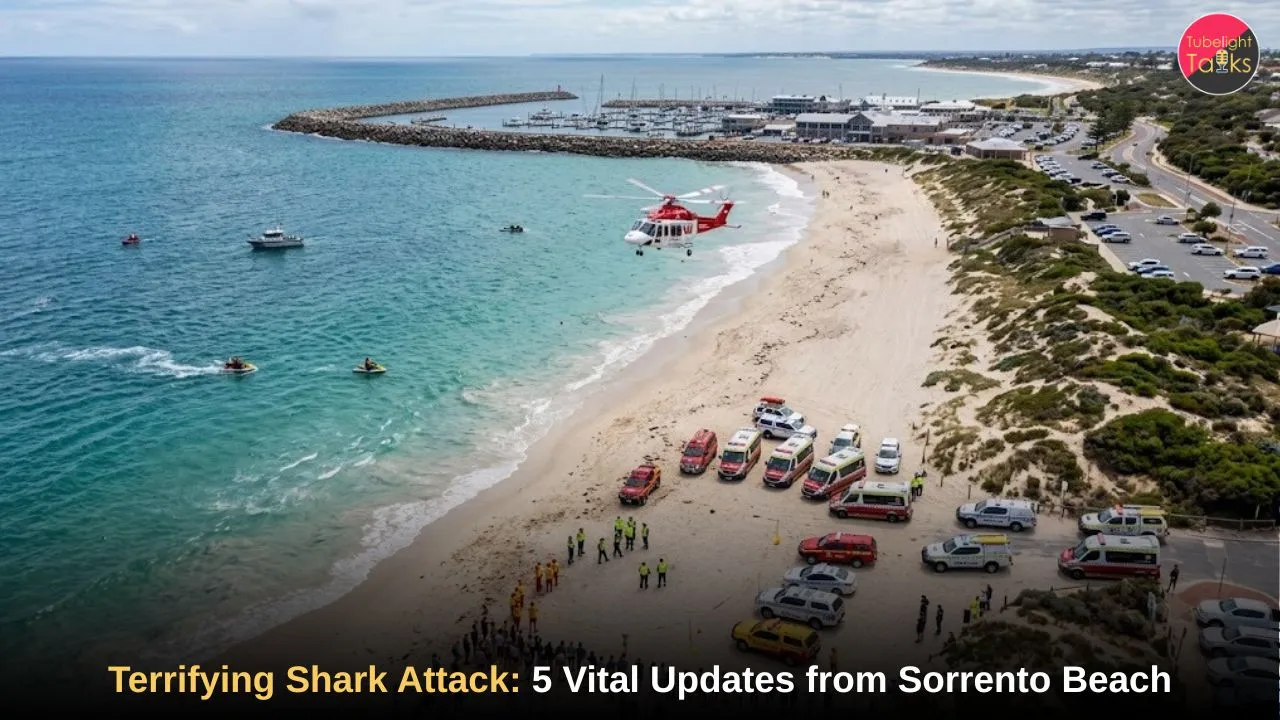
A suspected shark attack at Sorrento Beach, just south of Hillarys Boat Harbour in Perth, has prompted a massive emergency response, sending shockwaves through the local community and coastal authorities. On the morning of September 18, 2026, Western Australia emergency services rushed to the popular swimming spot following frantic reports from beachgoers. The immediate coastal lockdown highlights the ongoing tension between human recreation and the unpredictable marine environment along the Western Australian coastline.
For policy experts, tech enthusiasts, and general readers, this latest shark attack reignites critical debates around marine safety, the effectiveness of current coastal mitigation policies, and the deployment of advanced surveillance technologies. Let us examine the unfolding situation, the emergency protocols activated, and what this means for beachgoers.
Emergency Response to the Suspected Shark Attack
The moment authorities received reports of a potential shark attack, a multi-agency response protocol immediately went into effect. Surf Life Saving WA, alongside the Western Australia Police and St John Ambulance paramedics, descended upon Sorrento Beach. Lifeguards quickly sounded the alarms, actively clearing the water and establishing a wide exclusion zone to ensure public safety.
First responders prioritize securing the scene and providing immediate medical trauma care during such marine incidents. Paramedics rapidly assessed the situation upon arrival, deploying specialized beach response vehicles to reach the incident site seamlessly.
Also Read: India Moves to Tackle Invasive Alien Species in India as NBA Sets Up National Expert Committee
Location and Timeline of the Hillarys Incident
Sorrento Beach borders the heavily trafficked Hillarys Boat Harbour, an area frequented by local swimmers, tourists, and marine life alike. Authorities have strictly cordoned off the entire stretch of coastline extending north toward Hillarys and south toward Marmion.
To provide clarity on the emergency protocols executed during this shark attack, below is a chronological breakdown of the morning’s rapid response.
| Time (AWST) | Agency / Entity | Action Taken During the Incident |
| 06:45 AM | Public / Beachgoers | Initial emergency call placed reporting a suspected marine incident. |
| 06:48 AM | Surf Life Saving WA | Sirens activated; lifeguards begin clearing swimmers from Sorrento Beach. |
| 06:55 AM | St John Ambulance | Trauma response units and paramedics arrive at the shoreline. |
| 07:10 AM | WA Police Force | Coastal lockdown initiated; public access to Hillarys southern breakwater restricted. |
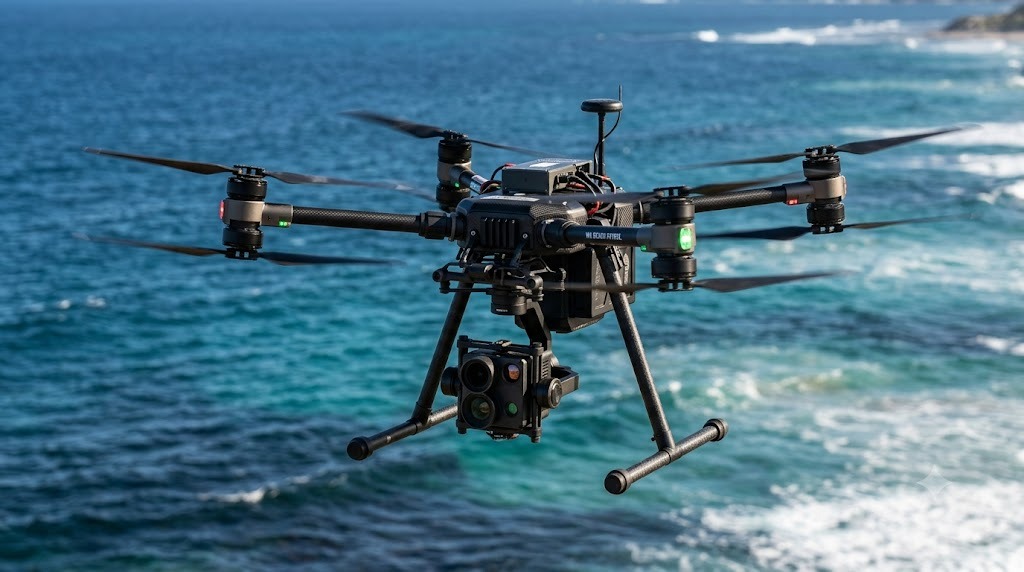
| 07:30 AM | Fisheries Officers | Drone and boat patrols launched to track potential marine predator movements. |
Western Australia’s Ongoing Battle with Coastal Safety
Western Australia possesses some of the most beautiful, yet historically dangerous, coastlines in the world. Every time a shark attack occurs, it forces policymakers to evaluate the delicate balance between environmental conservation and human safety. Over the past decade, the Western Australian government has heavily invested in shark mitigation strategies, moving away from lethal culling toward highly advanced technological solutions.
Policy experts continue to monitor how these incidents shape legislative funding for coastal management. The state utilizes a combination of acoustic tagging, helicopter patrols, and real-time community alert systems to track predators like the great white shark. However, as this recent shark attack demonstrates, the sheer vastness of the ocean makes absolute prevention incredibly difficult.
Shark Mitigation Policies and Tech Innovations
Tech enthusiasts following marine biology and coastal safety are deeply interested in the hardware and software utilized to prevent a shark attack. Western Australia stands at the forefront of eco-technology, deploying sophisticated systems designed to alert authorities before an incident occurs.
Currently, authorities rely on an array of high-tech surveillance systems to monitor marine activity near populated areas like Sorrento Beach and Hillarys Boat Harbour.
| Technology Deployed | Primary Function | Policy / Safety Impact |
| Acoustic Receivers | Detects tagged sharks swimming within 500 meters of the shore. | Triggers automated alerts to the SharkSmart app and lifesavers. |
| UAV / Drone Patrols | High-resolution aerial surveillance using AI to identify shark shapes. | Provides real-time visual confirmation without risking human pilots. |
| Personal Deterrents | Electromagnetic devices worn by divers and surfers (e.g., Shark Shield). | Offers localized, individual protection by disrupting sensory organs. |
| SMART Drumlines | Non-lethal catch, tag, and release system used offshore. | Helps researchers track movements and relocate dangerous marine life. |
Despite these robust technological investments, the occurrence of a shark attack reveals the limitations of even the best AI and acoustic monitoring systems. Not all predators carry tags, and unpredictable environmental factors—such as water turbidity, schooling baitfish, and weather patterns—can significantly reduce the efficacy of visual drone patrols.
Understanding the Marine Environment: Why Do Encounters Happen?
Marine biologists emphasize that a shark attack is rarely an act of malicious hunting directed at humans. Rather, these incidents frequently result from mistaken identity or exploratory behavior. Areas around Hillarys Boat Harbour can sometimes attract large schools of baitfish, which in turn attract larger predators.
When humans enter the marine ecosystem, they step into a wild, untamed wilderness. Experts continuously advise the public to adhere strictly to beach closures, swim between the flags, and utilize the SharkSmart tracking application before entering the water.
Also Read:Gitchak nakan: The Blind Fish Discovery in a Village Well
When an emergency like a shark attack takes place, it forces society to reckon with the forces of nature that remain beyond human control. It serves as a stark reminder of our vulnerability, prompting a deeper reflection on safety, existence, and the suddenness with which life can change.
Finding Eternal Refuge Amidst Life’s Sudden Tragedies
The sudden, terrifying nature of a shark attack abruptly strips away the illusion of control we hold over our daily lives. One moment, individuals are enjoying a peaceful morning at Sorrento Beach, and in the next fraction of a second, they are thrust into a frantic battle for survival. Such harsh realities of the physical world force us to acknowledge a profound truth: human life is incredibly fragile, and death or disaster can strike at any completely unpredictable moment. Whether we face the untamed depths of the ocean, natural disasters, or unexpected illnesses, our physical safety is never guaranteed on this earth.
This perpetual uncertainty drives the human soul to seek a permanent, indestructible refuge. While governments build better technology and policies to protect our physical bodies, our spiritual well-being requires a different kind of sanctuary. The teachings of Sant Rampal Ji Maharaj provide exactly this profound realization. He imparts the spiritual knowledge that this mortal world is a place of suffering and sudden calamities, designed to keep the soul trapped in fear. True safety and eternal peace cannot be found by merely avoiding physical dangers; they are achieved by seeking the protection of the Supreme Creator, God Kabir Ji.
Through true worship and taking initiation from a completely realized saint, the soul gains an unbreakable spiritual shield. Sant Rampal Ji Maharaj explains that when a human completely surrenders to the Supreme God, the burden of unexpected tragedies is mitigated by divine grace, and the soul eventually achieves salvation, escaping the cycle of life and sudden death entirely. To understand the deeper purpose of human life and to find true, lasting peace beyond worldly fears, watch the enlightening spiritual discourses on the spiritual youtube channel of Sant Rampal Ji Maharaj.
FAQs on Shark Attack
1.Where did the recent shark attack take place?
The suspected incident occurred at Sorrento Beach, located just south of Hillarys Boat Harbour in Perth, Western Australia. Emergency services quickly secured the location following early morning reports from beachgoers.
2.What emergency agencies responded to the incident?
Surf Life Saving WA, the Western Australia Police Force, St John Ambulance paramedics, and state fisheries officers executed a coordinated emergency response to manage the scene and provide trauma care.
3.Is Sorrento Beach currently closed to the public?
Yes, authorities immediately closed Sorrento Beach and established a strict exclusion zone covering the coastline toward Hillarys and Marmion to ensure public safety while patrols monitor the water.
4.How does Western Australia monitor for a potential shark attack?
The state utilizes a comprehensive shark mitigation network that includes acoustic receivers to detect tagged marine predators, AI-equipped drone patrols, helicopter surveillance, and the community-based SharkSmart alert system.
5.What should beachgoers do when a shark warning is issued?
Beachgoers must immediately exit the water upon hearing beach sirens, follow all directives given by local lifeguards, and avoid returning to the ocean until authorities officially declare the area safe.
Related Stories










Discussion (0)