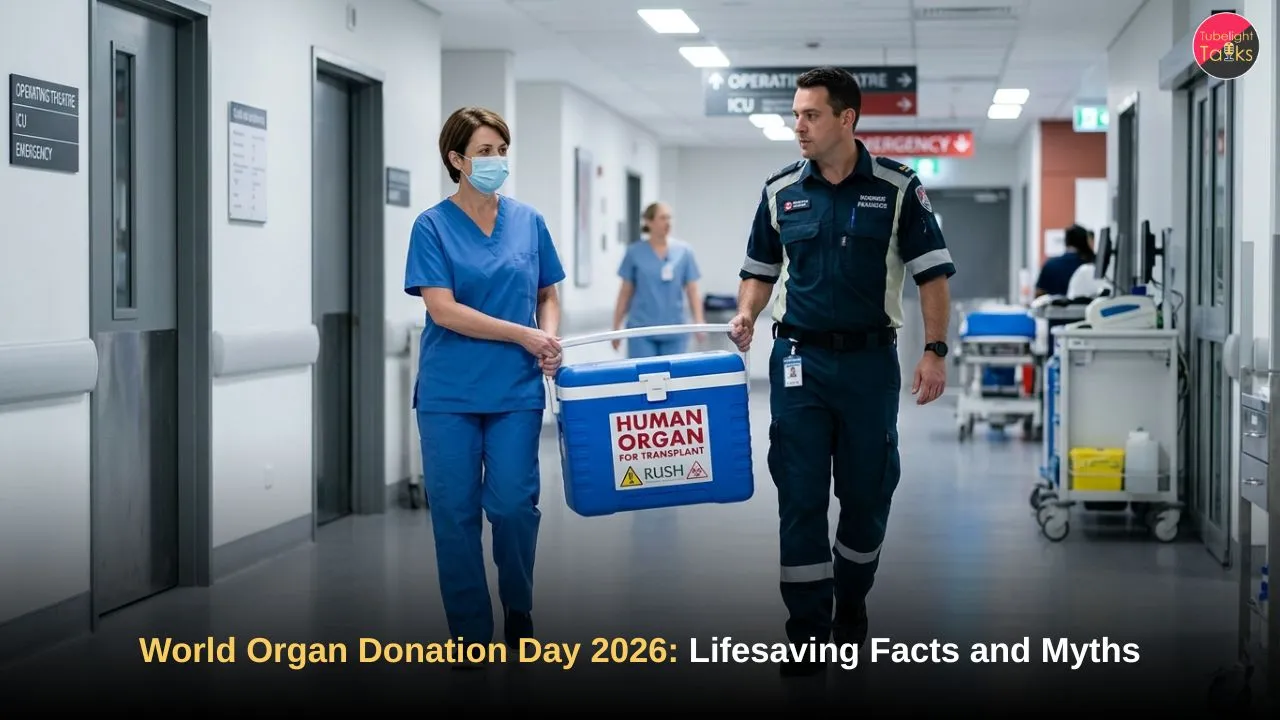
Understanding World Organ Donation Day 2026
World Organ Donation Day is observed annually on August 13 to spread awareness regarding the critical importance of pledging organs to save human lives. Millions of individuals globally suffer from end-stage organ failure, waiting indefinitely for a matching donor. Observing this global health day serves as an urgent reminder that a single deceased donor can save up to eight lives and improve over seventy others through tissue donation.
Medical healthcare organizations across the globe, including the World Health Organization (WHO), use this occasion to encourage public participation and dispel long-standing misconceptions. Despite advancements in modern transplant surgery, the gap between required organs and available donors continues to widen exponentially each year.
Also Read: Massive 2026 Breakthroughs: How AI in Healthcare is Saving Lives
Global Impact and Statistics
Understanding the scale of organ shortage helps illustrate why international healthcare campaigns remain vital. Chronic diseases, cardiovascular conditions, and kidney failure remain leading drivers behind the growing waitlists worldwide.
| Metric / Parameter | Global Annual Figure (Approx.) | India / Regional Figure (Approx.) | Key Observation |
| Patients on Waiting List | Over 1,500,000 | Over 300,000 | Continuous demand increase |
| Annual Transplants Performed | ~150,000 | ~16,000 | Meets less than 10% of demand |
| Lives Saved per Deceased Donor | Up to 8 lives | Up to 8 lives | Organs include Heart, Lungs, Liver, Kidneys |
| Tissue Impact per Donor | Enhances 75+ lives | Enhances 75+ lives | Corneas, skin, bones, heart valves |
Crucial Myths vs Facts in World Organ Donation
Widespread misinformation often prevents eligible individuals from signing up as registered donors. Addressing these myths directly through verified medical facts is essential for increasing donor registration rates.
Myth 1: Medical Teams Will Not Work as Hard to Save Registered Donors
- Fact: The primary duty of emergency response and medical doctors is to preserve the patient’s life. The organ transplant team is completely separate from the emergency care team and is only notified after brain death is formally pronounced.
Myth 2: Religion Strictly Forbids Organ Donation
- Fact: Almost all major world religions view organ donation as an act of compassion, benevolence, and charity that honors human life.
Myth 3: Older Adults Cannot Donate Organs
- Fact: There is no strict upper age limit for organ donation. Medical suitability is determined at the time of death based on organ health, not strict chronological age.
How to Become an Organ Donor Step-by-Step
Pledging your organs is a straightforward procedure that legally records your intent to donate after brain death.
- Register Online: Visit your country’s official health registry portal (such as NOTTO in India or OrganDonor.gov in the US).
- Fill Out Details: Enter your official identity verification details and state your consent for specific or all organs.
- Receive Donor Card: Download and carry your official donor card in your wallet or digital drive.
- Inform Your Family: Most importantly, communicate your decision with immediate family members, as legal consent often requires family confirmation.
The Temporary Nature of the Mortal Body and the Ultimate Path to Eternal Life
While donating physical organs addresses temporary physical ailments of the mortal body, human existence inherently remains fragile and subject to disease, decay, and eventual physical death. No medical intervention can permanently free a soul from the cycle of birth, suffering, and mortality. The physical body is merely a temporary vessel, and genuine, everlasting liberation from all pain can only be achieved through spiritual awakening and true spiritual practice.
In his profound spiritual discourses, Sant Rampal Ji Maharaj clarifies that human life is a rare opportunity intended for achieving complete salvation (Moksha). By acquiring authentic spiritual knowledge (Tattvagyan) based strictly on holy scriptures, an individual learns how to break free from the realm of death (Kaal Lok) and attain eternal residence in Satlok (the Supreme Abode), where disease, old age, and suffering do not exist. Embracing true spiritual worship under the guidance of a Complete Saint provides ultimate peace that transcends temporary physical existence.
Disciples and followers of Sant Rampal Ji Maharaj actively participate in organized body and organ donation drives as a core part of their humanitarian service. Inspired by his teachings that serving humanity is a supreme duty, large numbers of followers pledge their organs and bodies at Satlok Ashram events.
Key Aspects of the Initiative
- Teachings on Humanity: Followers are taught that compassion and helping others transcend conventional societal barriers.
- Organ and Body Pledges: Followers frequently pledge their physical bodies for medical education, research, and transplants upon death.
- Regular Camps: Satlok Ashram branches across India routinely organize blood donation, eye check-up, and organ donation awareness camps during spiritual congregations and large-scale events.
To understand the deeper purpose of human life and the path to ultimate spiritual salvation, watch the official spiritual discourses on the Official YouTube Channel of Sant Rampal Ji Maharaj.
FAQs on World Organ Donation Day
Q. What is the primary purpose of World Organ Donation Day?
The day aims to raise public awareness about the shortage of organs for transplant, bust common misconceptions regarding donor registries, and encourage people worldwide to pledge their organs after death.
Q. Which organs can be donated after brain death?
A deceased donor can donate vital organs including the heart, kidneys, liver, lungs, pancreas, and intestines, as well as tissues like corneas, skin, bone, and heart valves.
Q. Who can register as an organ donor?
Anyone regardless of age or background can register as an organ donor. Final medical suitability for transplantation is evaluated by specialized doctors at the time of death based on the physical health of the organs.
Q. How does brain death differ from a coma?
Brain death is the complete and irreversible cessation of all brain activity, including the brainstem, and is legally and medically recognized as death. A coma is a state of unconsciousness where brain activity remains present, and recovery may still be possible.
Q. Is family consent required for organ donation?
In many jurisdictions, even if an individual has signed a donor pledge card, the medical team requires formal consent or confirmation from the donor’s next of kin before proceeding with organ retrieval.
Related Stories








Discussion (0)