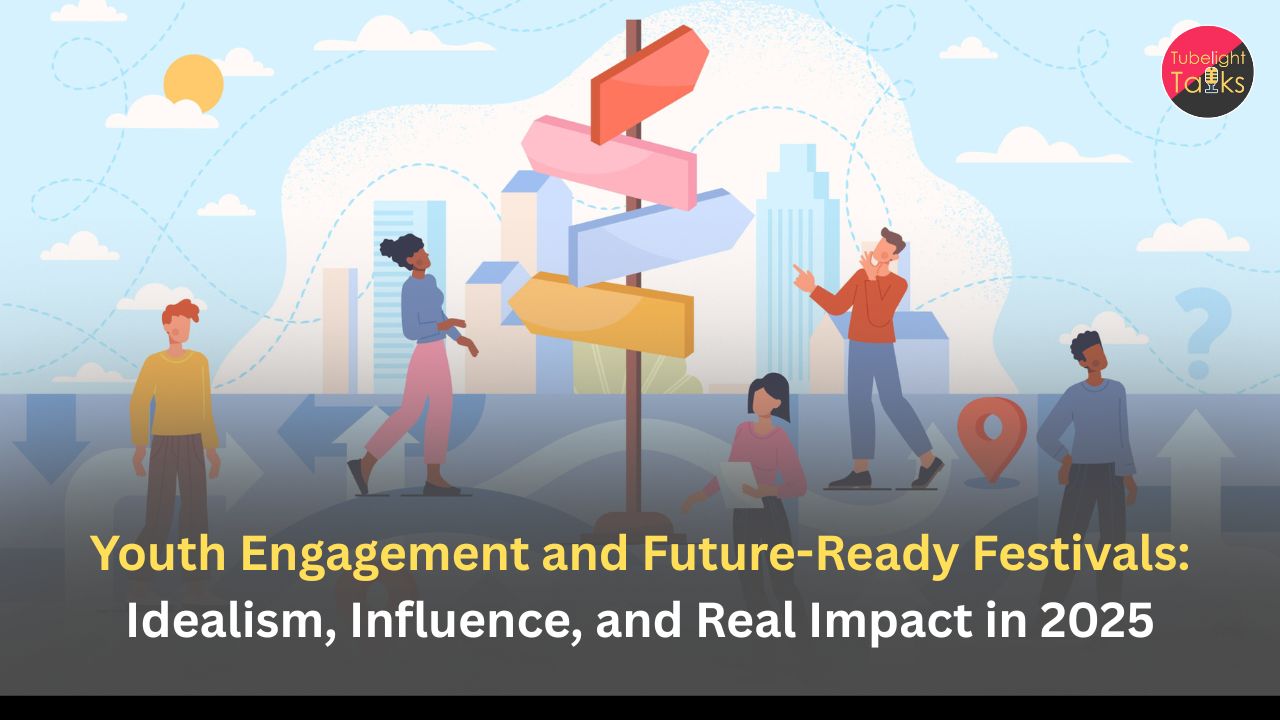
Youth Engagement and Future-Ready Festivals: Idealism, Influence, and Real Impact in 2025
Youth Engagement: India’s youth represent one of the largest young populations in the world. With increasing pressure to build careers, develop skills, and adapt to rapid technological changes, youth festivals, leadership summits, talent platforms, and developmental events have become extremely popular. These gatherings claim to inspire, educate, motivate, and guide young people toward future-ready skills and opportunities.
But the question remains: Are these festivals truly impactful, or are they more about glamour, branding, and social media presence?
This article explores both sides to understand whether these events genuinely contribute to youth empowerment.
What Are Future-Ready Youth Festivals?
Skill-Based Events
These include career boot camps, coding marathons, robotics challenges, startup pitch sessions, and design competitions. They aim to give practical exposure to industry-level skills.
Leadership and Personality Development Programs
Events featuring CEOs, celebrities, influencers, and motivational speakers focus on communication, confidence, emotional intelligence, and decision-making.
Cultural and Creative Festivals
Music, art, filmmaking, theatre, and literature-based festivals highlight talent and creativity, giving youth a stage to express themselves.
Community and Social Impact Events
NGOs and social initiatives collaborate to promote awareness about mental health, sustainability, climate change, social justice, and community welfare.
Why Youth Festivals Are Becoming Popular
Networking Opportunities
In a world where connections matter, these events offer access to industry leaders, influencers, and like-minded peers.
Skill Development Demand
With rapid changes in AI, automation, digital transformation, and remote work culture, youth are seeking ways to stay competitive.
Social Media Influence
Young individuals are drawn to events that are visually appealing, shareable, and offer a sense of belonging.
Government and Institutional Support
Educational institutions and government bodies increasingly encourage youth participation to promote innovation and national development.
Benefits of Youth Engagement Events
Exposure to Real-World Ideas
Festival sessions introduce youth to emerging technologies, entrepreneurship, sustainability, and global trends.
Improved Soft Skills
Communication, teamwork, leadership, and problem-solving are strengthened through workshops and challenges.
Confidence Building
Young participants often discover their strengths and interests through stage events, debates, or interactive panels.
Talent Identification
Institutions and companies sometimes identify talented individuals during competitions or exhibitions.
Increased Motivation
Inspiring stories and expert speakers help youth gain clarity and direction in their careers.
Limitations and Criticism
High Costs
Many events charge high registration fees, making them inaccessible for rural or economically weaker students.
More Glamour, Less Content
Some festivals prioritize celebrity appearances over meaningful workshops.
Lack of Follow-Up Opportunities
Youth often feel motivated temporarily, but without guidance afterward, the impact fades quickly.
Skill Mismatch Issues
Some events remain theoretical and do not match real industry requirements.
Overcrowding and Mismanagement
As popularity increases, maintaining quality and relevance becomes challenging.
Urban vs Rural Participation Gap
Access to Opportunities
Urban youth have more exposure, while rural youth rely on limited resources and often miss out on large-scale festivals.
Digital Divide
Although online events became popular post-pandemic, many still lack digital accessibility.
Awareness and Guidance
Urban institutions actively promote such events; rural schools often struggle with awareness campaigns.
Also Read: Youth of India 2026: Jobs, Gig Economy, and the Quest for Stability
Are Youth Festivals Idealistic or Truly Impactful?
Idealistic Aspects
- Encouraging creativity and innovation
- Inspiring stories of young achievers
- Promoting cultural and social values
Practical Impact
The real impact depends on:
- Quality of speakers and trainers
- Hands-on workshops
- Post-event mentorship
- Accessibility for all youth
When executed well, youth festivals can inspire thousands and build real skills.
How Youth Festivals Can Become More Impactful
Affordable Participation
Reducing fees and offering scholarship passes increases inclusivity.
Strong Mentorship Programs
Connecting mentors and youth beyond the event ensures long-term growth.
Practical Skill Training
Workshops should focus on industry-relevant skills like coding, digital marketing, robotics, and AI.
Rural Outreach
State governments and NGOs can host mini festivals in villages and tier-3 cities.
Career Guidance Cells
Every festival should include counselling booths, resume reviews, and job/ internship stalls.
The Way Forward for India’s Youth
India’s youth festivals have huge potential. They can shape the next generation of leaders, creators, and innovators—but only if they prioritize real learning over glamor, accessibility over exclusivity, and long-term development over short-term motivation.
Conclusion
Youth engagement festivals have become an important part of today’s educational and social ecosystem. They inspire young minds, encourage creativity, promote leadership, and provide exposure to new-age skills. But their true impact depends on structure, accessibility, and long-term follow-through.
A powerful example of real social service and youth empowerment can be seen in the Annapurna Muhim by Saint Rampal Ji Maharaj.
This initiative is based on the principles of providing roti, kapda, makan, shiksha, and chikitsa to every needy person—ensuring no one sleeps hungry or without basic necessities. Such missions show youth how practical, selfless service can transform society far beyond temporary motivation.
If youth festivals adopt the spirit of service and equality promoted by the Annapurna Muhim, they can move from being events of inspiration to engines of real, lasting change.
FAQs
1. What is the purpose of youth festivals?
They aim to develop creativity, leadership, career skills, and community participation among young people.
2. Do these events actually help in career growth?
Yes, but the impact depends on the event’s quality, mentorship, and post-event support.
3. Why do some people say youth festivals are overhyped?
Events sometimes focus more on glamor, influencers, and showmanship rather than skill-building.
4. How can rural youth benefit from such events?
By using online versions, government-supported programs, and local mini-festivals.
5. What makes a youth festival truly impactful?
Affordable access, real skill training, industry mentors, and long-term guidance.
Related Stories








Discussion (0)