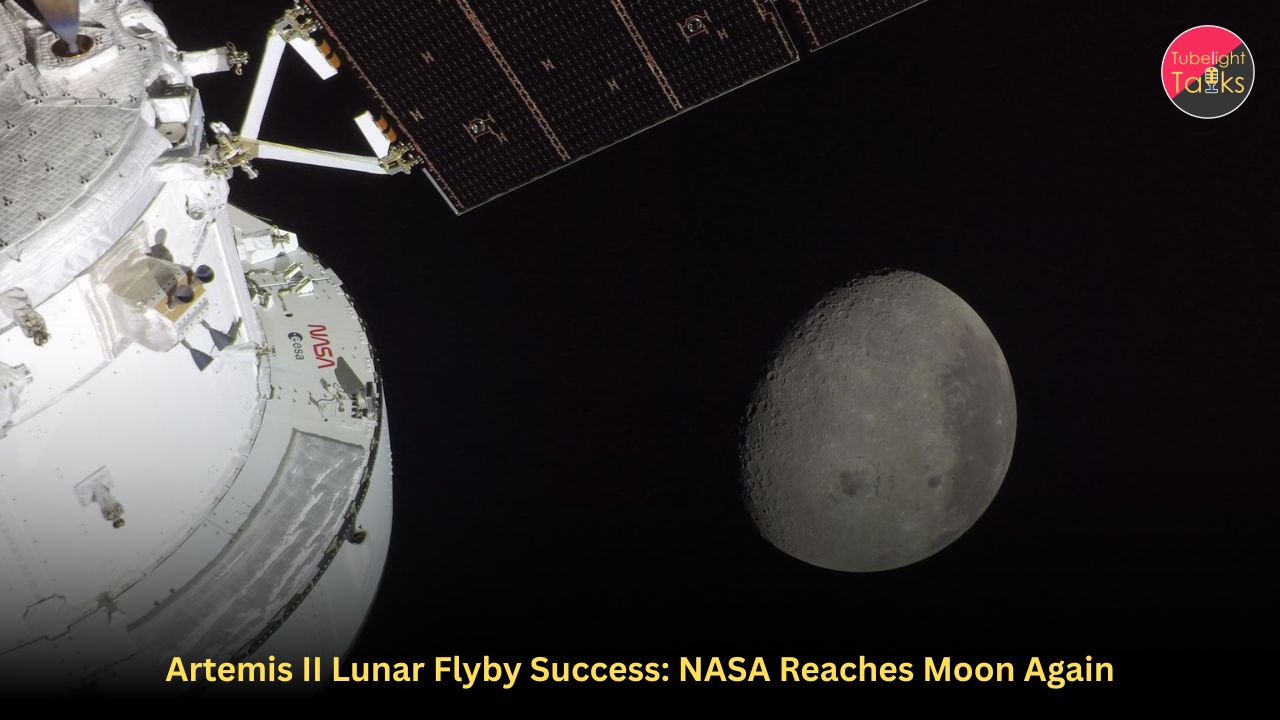
Artemis II Lunar Flyby Success: NASA’s Historic Crewed Mission Opens a New Moon Era
NASA’s Artemis II mission has successfully completed its crewed lunar flyby, marking one of the most important milestones in modern space exploration. The mission launched on April 1, 2026, and splashed down on April 10 after a nearly 10-day journey around the Moon. It carried NASA astronauts Reid Wiseman, Victor Glover, Christina Koch, and Canadian Space Agency astronaut Jeremy Hansen, making it a historic mission for international cooperation, diversity, and future lunar exploration.
NASA describes Artemis II as the first crewed Artemis flight and a key step toward long-term Moon missions and future Mars exploration.
A Historic Return to the Moon’s Vicinity
Artemis II became the first crewed flight of NASA’s Orion spacecraft and the first mission in more than 50 years to take humans around the Moon. According to NASA, the crew traveled 252,756 miles from Earth at its farthest point, setting a new record for the greatest distance humans have traveled in space. The mission covered 694,481 miles and gave astronauts a close observational window of the lunar surface during the flyby.
Why Artemis II Matters
The Artemis II lunar flyby was not a landing mission. Its purpose was to test Orion’s life-support systems, navigation, crew operations, communication, and performance in deep space. A successful Artemis II mission strengthens NASA’s confidence for upcoming Artemis missions that aim to return astronauts to the lunar surface and build a sustainable human presence around the Moon.
Also Read: Artemis II Marks Humanity’s Return Around the Moon
Diversity in Deep-Space Exploration
The Artemis II crew reflected a powerful shift in global space exploration. NASA had earlier announced that the crew included the first woman, the first person of color, and the first Canadian assigned to a lunar mission. Christina Koch, Victor Glover, Reid Wiseman, and Jeremy Hansen represented not only technical excellence but also the expanding participation of humanity in deep-space missions.
Lunar Flyby Images and Science Value
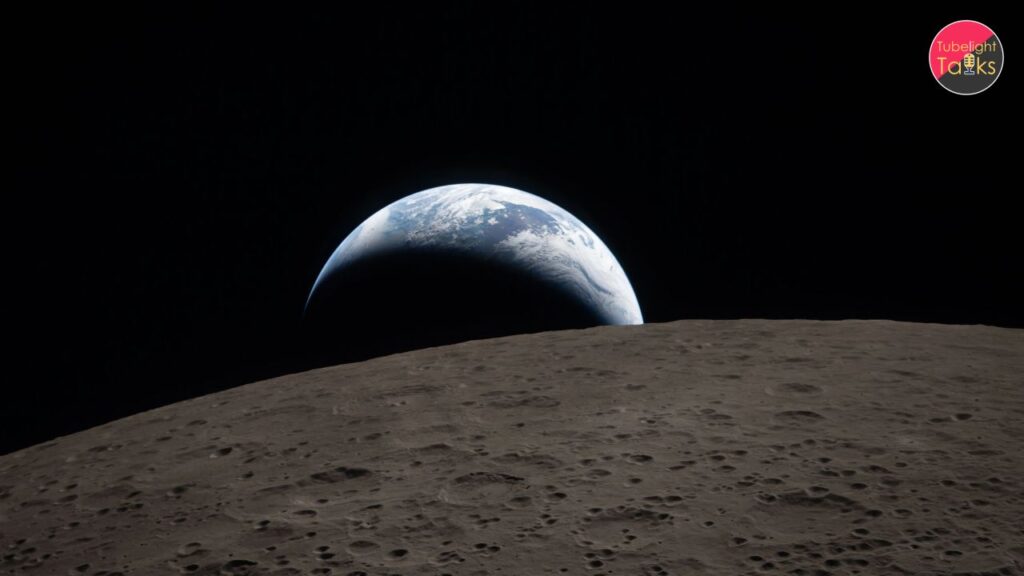
NASA released the first flyby images captured by Artemis II astronauts during their seven-hour lunar flyby on April 6, 2026. These images revealed regions of the Moon’s far side and even an in-space solar eclipse. Such visuals are not only inspirational but also scientifically valuable for training, lunar observation, mission planning, and public engagement.
The Road to Artemis III and Beyond
Artemis II is a gateway mission. It validates systems needed for future lunar surface missions and long-term human exploration. Under Artemis, NASA plans increasingly complex Moon missions for scientific discovery, economic benefit, and preparation for human missions to Mars. The success of Artemis II places humanity closer to sustained Moon exploration than at any time since Apollo.
Beyond the Moon: The Search for the True Destination
Humanity’s return to the Moon reminds us that every journey begins with curiosity, courage, and a desire to know what lies beyond. In the same way, spiritual wisdom teaches that the human birth is also a journey—not merely toward material achievement, but toward the realization of the soul’s true home.
Sant Rampal Ji Maharaj’s teachings emphasize true worship, scriptural guidance, and the aim of attaining complete salvation rather than limiting life to temporary worldly success. His official teachings state that the correct way of worship is to take refuge in a Tatvadarshi Saint and follow scripture-based devotion for spiritual liberation.
Call to Action
Learn, Explore, and Awaken
The Artemis II mission encourages humanity to look upward, but it also invites us to look inward.
Take the Next Step
Follow authentic space updates from official agencies, encourage science education among youth, and also explore true spiritual knowledge to understand the deeper purpose of human life.
FAQs: Artemis II Lunar Flyby Success: NASA Reaches Moon Again
1. What was Artemis II?
Artemis II was NASA’s first crewed Artemis mission and the first crewed flight of the Orion spacecraft around the Moon.
2. When did Artemis II launch and return?
NASA states that Artemis II launched on April 1, 2026, and splashed down on April 10, 2026.
3. Who were the Artemis II astronauts?
The crew included Reid Wiseman, Victor Glover, Christina Koch, and Canadian Space Agency astronaut Jeremy Hansen.
4. Did Artemis II land on the Moon?
No. Artemis II was a crewed lunar flyby mission designed to test Orion and deep-space systems before future landing missions.
5. Why is Artemis II historic?
It returned humans to the Moon’s vicinity after more than 50 years and included the first woman, first person of color, and first Canadian on a lunar mission.
Related Stories










Discussion (0)