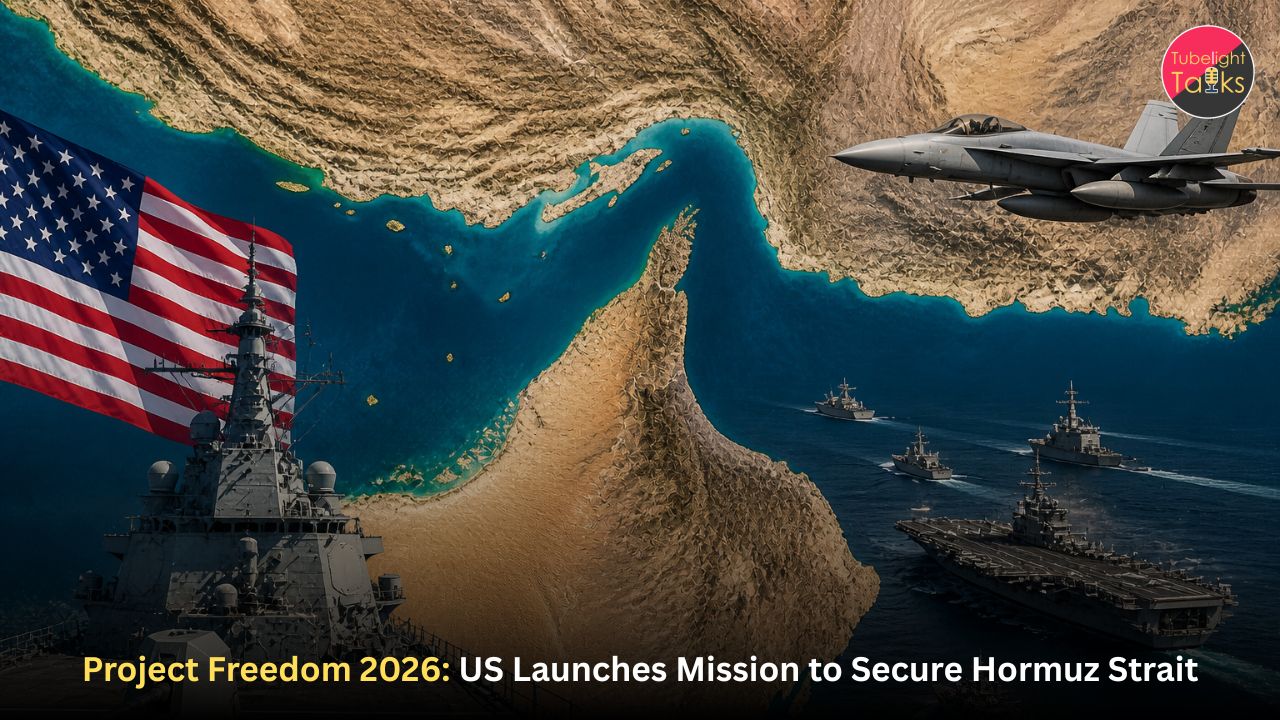
Project Freedom Launched to Secure Global Shipping Through Strait of Hormuz
Project Freedom 2026: In a significant geopolitical development, President Donald Trump has launched “Project Freedom,” a mission aimed at escorting neutral commercial ships stranded in the Strait of Hormuz. This initiative comes at a time when escalating tensions in the region have disrupted one of the world’s most critical maritime routes, through which a substantial portion of global oil supply passes. The move reflects growing concern over the stability of energy markets and the need to ensure uninterrupted trade flows.
Strategic Importance of the Strait
The Strait of Hormuz is a vital artery of the global energy system, handling nearly one-fifth of the world’s oil shipments. Any disruption in this narrow waterway has immediate repercussions on global markets, affecting fuel prices, supply chains, and economic stability. The current tensions have heightened these risks, making intervention a strategic necessity.
Rising Tensions and Maritime Risks
Recent incidents in the region have increased the vulnerability of commercial vessels, leading to higher insurance costs and rerouting of shipments. The threat environment has created uncertainty among shipping companies, forcing them to reconsider routes and operational strategies. Project Freedom aims to address these risks by providing security assurances.
Also Read: Global Energy Outlook: Trump Evaluates Iran Proposal to Reopen the Strait of Hormuz
Military Coordination and Escort Operations
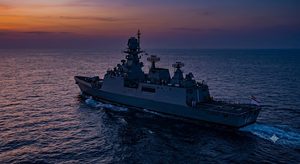
The mission involves coordinated naval and aerial support to ensure safe passage for commercial ships. This level of military involvement underscores the seriousness of the situation and the importance of maintaining open trade routes. It also reflects a broader effort to deter potential threats and stabilize the region.
Impact on Global Energy Markets
The uncertainty surrounding the Strait of Hormuz has contributed to volatility in oil prices, affecting economies worldwide. Stabilizing the route could help restore market confidence and reduce inflationary pressures linked to energy costs. The success of the initiative will therefore have far-reaching economic implications.
Also Read: Strait of Hormuz Tensions Peak as Trump Orders Response to Iranian Boats
Risks and Future Outlook
While Project Freedom aims to secure shipping routes, it also carries the risk of escalation if tensions intensify. Diplomatic efforts will be crucial in ensuring that the mission contributes to de-escalation rather than conflict. The coming days will determine whether this initiative can achieve its objective of stabilizing global trade and energy supply.
Strategic Significance for Global Trade Routes
The launch of Project Freedom highlights the strategic importance of safeguarding critical global trade routes. The Strait of Hormuz is not just vital for oil transportation but also for broader maritime commerce, making its security essential for global economic stability. Ensuring uninterrupted passage through such chokepoints is a priority for major economies, as disruptions can have cascading effects on supply chains, trade flows, and economic growth worldwide.
Diplomatic Efforts Alongside Military Measures
While the mission involves significant military coordination, parallel diplomatic efforts remain equally important. Engaging regional stakeholders, negotiating de-escalation measures, and maintaining communication channels are crucial to preventing further conflict. A balanced approach that combines security measures with diplomatic dialogue will be key to achieving long-term stability in the region and ensuring that global trade continues without major disruptions.
FAQs on Project Freedom 2026
1. What is Project Freedom?
A mission to escort ships in the Strait of Hormuz.
2. Who launched it?
President Donald Trump.
3. Why is it important?
It ensures safe oil transport.
4. What is the Strait’s role?
It is a key global oil route.
5. What impact will it have?
It may stabilize global energy markets.
Related Stories




Discussion (0)