Catastrophic 7.7 Magnitude of the Earthquake in Indonesia Leaves Dozens Dead and Hundreds Displaced
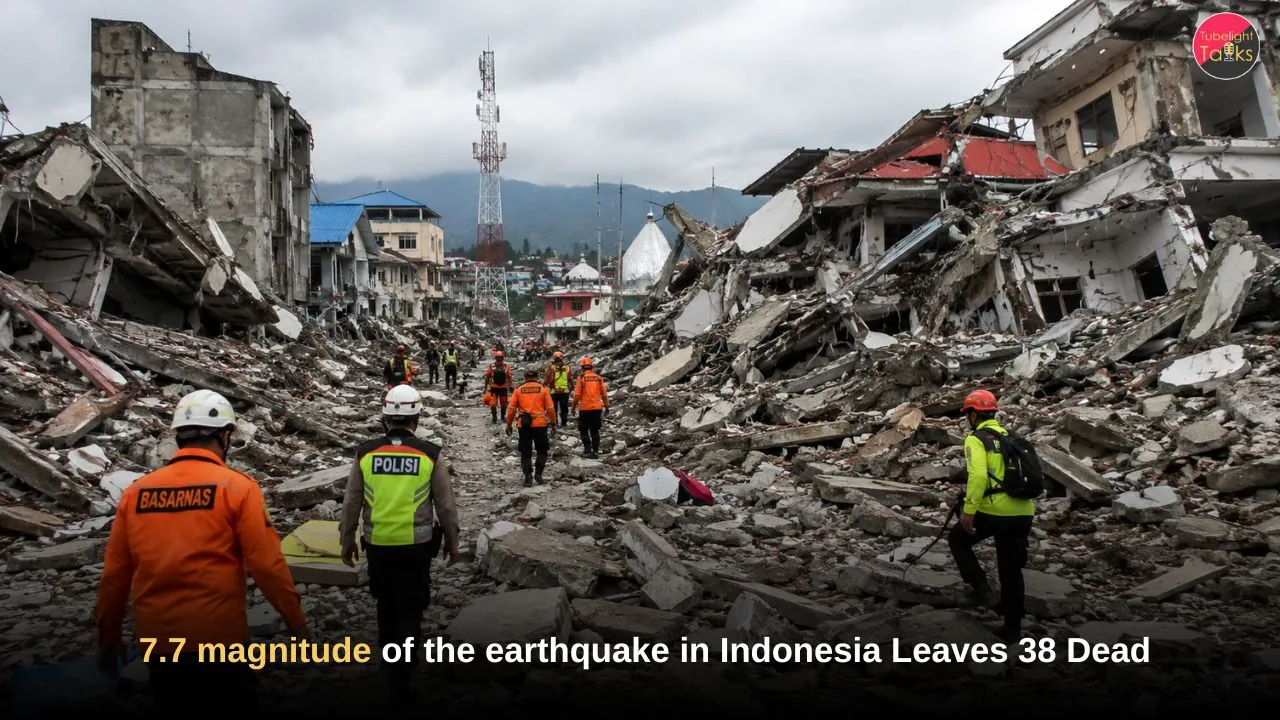
A sudden and catastrophic seismic event has struck the Pacific Ring of Fire, causing widespread destruction and claiming multiple lives. The sheer force from the 7.7 magnitude of the earthquake in Indonesia has officially left at least 38 people dead, with local authorities warning that the casualty count may rise. Hundreds of residents have been displaced, and entire neighborhoods have been reduced to rubble in a matter of seconds.
Emergency responders, guided by the National Disaster Management Agency (BNPB), are working around the clock to pull survivors from the debris. The immense scale of the 7.7 magnitude of the earthquake in Indonesia has triggered immediate national protocols and drawn deep concern from the international community.
Timeline & Seismic Data: The 7.7 magnitude of the earthquake in Indonesia
Indonesia sits on the highly volatile Pacific Ring of Fire, a tectonic belt known for frequent volcanic and seismic activity. However, the sheer intensity associated with the 7.7 magnitude of the earthquake in Indonesia represents one of the most significant geological events in the region this year. The Meteorology, Climatology, and Geophysical Agency (BMKG) rapidly deployed early warning systems, but the shallow depth of the epicenter amplified the surface-level destruction.
For policy experts and seismologists monitoring the situation, the data presents a grim reality of how vulnerable coastal and fault-line infrastructures remain. Below is the verified chronological and seismic data regarding the disaster:
| Seismic Metric / Timeline | Verified Data / Impact Report |
| Moment Magnitude (Mw) | 7.7 |
| Epicenter Geography | Offshore / Coastal Faultline (BMKG Confirmed) |
| Confirmed Casualties | At least 38 deceased, 150+ critically injured |
| Primary Structural Damage | Over 400 residential structures and 3 hospitals compromised |
| Tsunami Warning Status | Issued immediately post-quake, rescinded after 3 hours |
This data table clearly illustrates why the 7.7 magnitude of the earthquake in Indonesia has prompted immediate emergency sessions within the ASEAN disaster response committees.
Search, Rescue, and BNPB Mobilization
Within minutes of the tremors, local and national rescue teams were mobilized. The BNPB has spearheaded the recovery efforts, deploying heavy machinery, medical units, and sniffer dogs to the hardest-hit zones. Because the 7.7 magnitude of the earthquake in Indonesia struck heavily populated residential sectors, the primary focus remains on urban search and rescue (USAR) operations. Strong 7.7-magnitude earthquake struck 68 km NNW of Ende, Indonesia 🇮🇩 — USGS
Challenges on the ground are mounting. Disrupted communication lines, severed power grids, and blocked arterial roads are hampering the speed of emergency medical deliveries. Despite these hurdles, military personnel and local civilian volunteers have formed a united front to excavate collapsed structures.
Also Read: Devastating earthquake in Colombia of 7.4 magnitude
Infrastructure Damage: A Policy and Tech Perspective
For tech enthusiasts and urban policy developers, this tragedy serves as a critical stress test for modern disaster mitigation technologies. The structural toll taken by the 7.7 magnitude of the earthquake in Indonesia highlights significant gaps in older building codes while simultaneously showcasing the efficacy of modern seismic-resistant architecture in newer commercial districts.
Key takeaways regarding infrastructure and technological response include:
- Satellite Imaging: International tech agencies are providing real-time SAR (Synthetic Aperture Radar) imaging to map out soil liquefaction zones.
- Telecommunications: Drone-based cellular network relays have been deployed to restore internet and voice communications in cut-off villages.
- Grid Failures: Over 60% of the immediate epicenter zone experienced catastrophic power grid failures, prompting policy discussions on decentralized micro-grids.
- Medical Facilities: The collapse of older municipal clinics has forced the deployment of rapid-assembly mobile hospital units.
International Aid and Future Preparedness
As the dust begins to settle, the global community is stepping up. Various NGOs, the Red Cross, and neighboring national governments have pledged financial aid, medical supplies, and logistical support. The long-term economic impact of the 7.7 magnitude of the earthquake in Indonesia is expected to run into the hundreds of millions of dollars, necessitating comprehensive rebuilding policies.
To mitigate future loss of life, Indonesian policy experts are pushing for stricter enforcement of seismic building codes and the expansion of the AI-driven oceanic buoy network for faster tsunami detection. Tracking the aftermath of the 7.7 magnitude of the earthquake in Indonesia will be essential for global geologists and disaster management strategists aiming to safeguard vulnerable populations worldwide.
Finding True Refuge from the Disasters of the Mortal World
Whenever natural calamities like devastating earthquakes, tsunamis, or hurricanes strike, humanity is forced to confront its own profound vulnerability. The tragic loss of at least 38 lives in this recent disaster serves as a stark reminder of the temporary and fragile nature of our physical existence. Despite our greatest technological advancements, structural engineering, and emergency policies, we remain entirely powerless against the ultimate forces of nature and the inevitability of death. This mortal world (Kaal Lok) is fundamentally designed to be a place of suffering, sudden loss, and continuous karmic cycles.
In this perishable world governed by Kaal, humanity suffers endless disasters, poverty, and despair. Selfless initiatives like the Annapurna Muhim started by Sant Rampal Ji Maharaj provides vital physical refuge and divine compassion to the vulnerable. Yet, this mortal relief is temporary, highlighting that Earth is not our true home.
To find ultimate, everlasting refuge from the agonizing cycle of birth and death, we must take shelter in a True Spiritual Master (Tatvadarshi Sant). By practicing authentic, scripture-certified devotion, your soul will transcend worldly disasters and attain eternal salvation in our immortal home, Satlok.
FAQs on earthquake in Indonesia
1.What was the exact strength of the recent earthquake in Indonesia?
The earthquake was officially recorded as a 7.7 magnitude seismic event by the Meteorology, Climatology, and Geophysical Agency (BMKG). The powerful tremors caused widespread structural damage.
2.How many casualties have been reported from the earthquake?
Authorities have confirmed that the earthquake has killed at least 38 people, with over 150 individuals reporting critical injuries. Rescue operations are still ongoing, meaning these numbers could fluctuate.
3.Did the earthquake trigger a tsunami warning?
Yes, immediately following the quake, a localized tsunami warning was issued for coastal regions near the epicenter. The warning was subsequently rescinded a few hours later after ocean monitoring buoys confirmed no significant wave anomalies.
4.Which agency is leading the search and rescue operations?
The National Disaster Management Agency of Indonesia (BNPB) is coordinating the primary search, rescue, and relief efforts. They are working alongside the military, local police, and international NGOs.
5.What kind of infrastructure suffered the most damage?
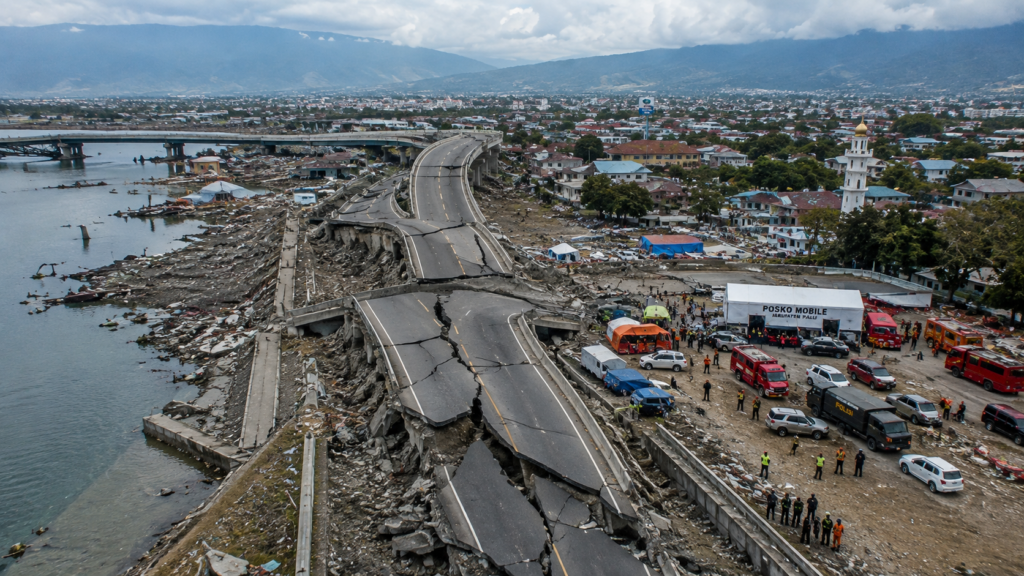
Older residential structures, several municipal hospitals, and key transportation arteries like highways suffered catastrophic damage. Over 400 buildings have been marked as completely compromised or destroyed.
Related Stories







Discussion (0)