2026 West Bank Crisis: The Anatomy of the Qusra Siege
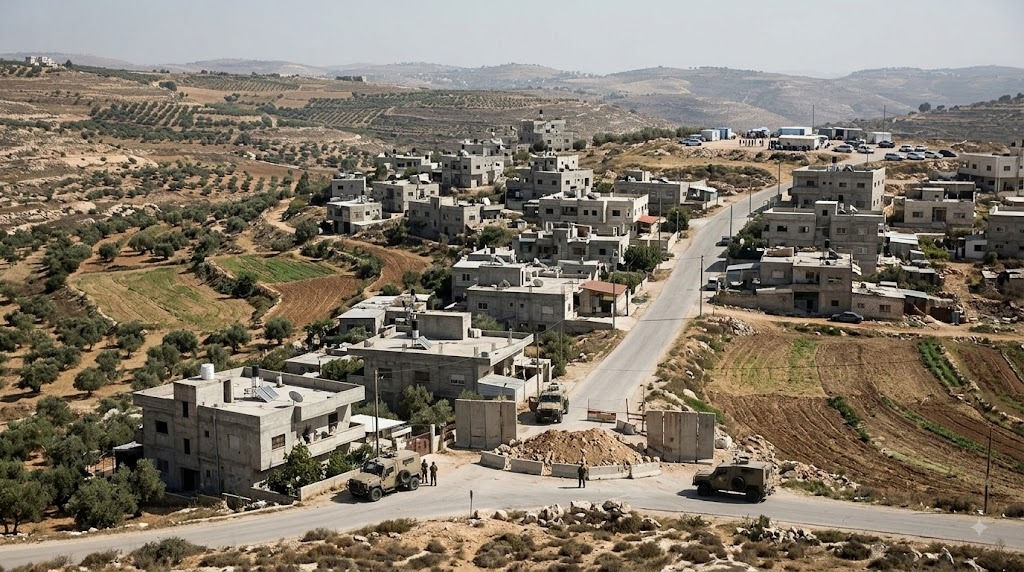
In a shocking turn of events in the occupied West Bank this week, the international community has witnessed an intense escalation in military and civilian confrontations. Specifically, the news that Palestinians were told to leave their homes in a village where Israeli settlers besieged houses during the Qusra Siege has become the defining geopolitical headline of August 2026. This incident, which unfolded in the northern West Bank village of Qusra, highlights the rapidly deteriorating security situation and the severe humanitarian crisis occurring on the ground.
With over a dozen households directly impacted and military forces stepping in to establish control, the geopolitical ramifications are vast. The harsh reality of this escalation underscores the urgent need for global awareness, factual reporting, and systemic intervention to address the soaring rates of displacement across the region.
Also Read: Epic 2026 International Day of the World’s Indigenous People
Timeline & Data: Understanding the Qusra Siege
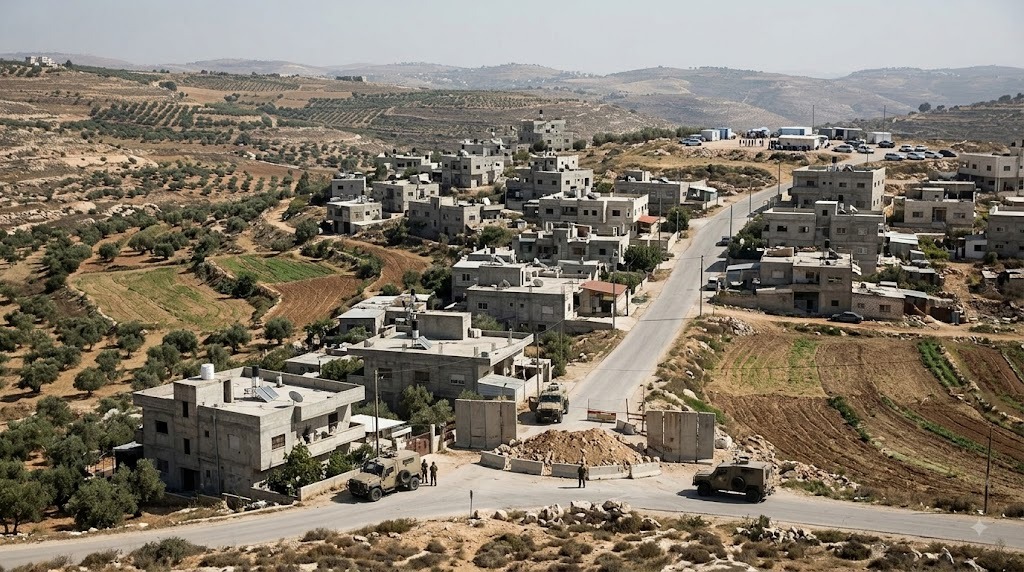
The initial confrontation in Qusra began on a Sunday and lasted for five intense nights. According to local reports, Israeli settlers surrounded three specific homes, blocking doors, cutting off water supplies, and severing electricity to several Palestinian families. Among those trapped was the family of a Palestinian-American businessman, Loui Ridi, who monitored the harrowing events from Ohio via security cameras.
Below is the crucial chronological data regarding the escalating situation during the Qusra Siege:
| Date / Period | Event Description | Key Data / Human Impact |
| Sunday, August 9, 2026 | Settler standoff initiates in Qusra | 3 homes surrounded; power & water cut off completely. |
| Tuesday, August 11, 2026 | Escalation & Military Declaration | Village declared a closed military zone; IDF deploys extra forces. |
| Thursday, August 13, 2026 | Eviction Orders & Dismantlement | ~12 households evacuated by military; 2 illegal outposts dismantled. |
| Jan – August 2026 | Broader displacement trends | ~3,800 Palestinians displaced due to ongoing violence and evictions. |
The strategic evacuation orders were handed down by the Israeli military, which stated the primary aim was “to protect the residents” and separate the conflicting parties. However, the optics of residents being forced to leave their properties have drawn intense international scrutiny and allegations of systemic imbalance.
US and International Response to the Conflict
The international community has reacted swiftly and strongly to the prolonged standoff in Qusra. US Ambassador to Israel, Mike Huckabee, issued a rare and remarkably sharp condemnation of the actions on the ground. He referred to the severe harassment as an act of terror meant to intimidate innocent families, publicly labeling the perpetrators’ actions as “criminal” and “thuggish behaviour”.
Despite clear condemnation from high-ranking diplomats, the logistical reality on the ground remains deeply troubling. The fact that local civilian families bore the immediate brunt of crowd-control tactics has frustrated human rights organizations. Ramiz Alakbarov, the UN’s deputy special co-ordinator for the Middle East peace process, explicitly warned the Security Council that the West Bank is rapidly reaching a “breaking point”.
Humanitarian Impact and Displacement Data
Rights groups and NGOs, such as Medical Aid for Palestinians (MAP) and the Israeli human rights group B’Tselem, have meticulously documented the rising human cost of these territorial clashes. The data reveals a grim trajectory for 2026. Over the past three years, more than 4,300 people across 65 communities in the West Bank have been forcibly displaced by coordinated attacks and military interventions.
The specific, heavily documented instance of the Qusra Siege serves as a microcosm of this much larger, systemic issue. Humanitarian workers note that trapped families, such as the Abu Ridi and Hassan families, were forced to survive on well water while surrounded by temporary tents. The prolonged psychological and physical trauma inflicted upon these communities, where nearly half of the recently displaced are children, represents a severe violation of international humanitarian standards.
Military Intervention and Evacuation Orders
The Israel Defense Forces (IDF) eventually took decisive action to de-escalate the immediate threat, moving in to dismantle two illegal settler outposts located on the outskirts of Qusra and the nearby village of Jalud. During this operation, one Israeli was detained, and military equipment was confiscated. The IDF officially labeled the prolonged harassment as “illegal, reprehensible, and unacceptable”.
However, local leadership presented a slightly different perspective on the military’s methodology. Qusra Mayor Abdel Azim Wadi pointed out that while the IDF did remove the outposts, they simultaneously issued orders giving Palestinian families just 30 minutes to evacuate their properties. The military then reportedly utilized some of these vacated civilian homes as temporary barracks to establish a security buffer. It remains highly controversial that residents were uprooted from their properties to accommodate tactical military positioning.
Finding True Peace in a Divided World
True peace cannot be found in this perishable world governed by Kaal. To escape the endless cycle of birth and death, we must connect with authentic spiritual knowledge (Tatvgyan) by taking refuge in a True Spiritual Master (Tatvadarshi Sant-Sant Rampal Ji Maharaj). This knowledge reveals our shared divine identity.
Sacred Vani:
“Jeev hamari jaati hai,
Manav dharam hamara.
Hindu, Muslim, Sikh, Isai,
dharam nahin koi nyara.”
By practicing scripture-certified devotion to the Supreme God, we attain eternal salvation in Satlok.
Holy Gita (Chapter 18, Verse 62):
“Tamev sharanam gachha sarvabhavena bharata |
Tatprasadat param shantim sthanam prapsyasi shashvatam ||”
Take His refuge to find everlasting peace.
According to the timeless and profound spiritual knowledge imparted by Sant Rampal Ji Maharaj, the root cause of all global suffering is our spiritual detachment from the Supreme God (Kabir Sahib) and our entanglement in the illusion (Maya) of this temporary world (Kaal Lok).
Frequently Asked Questions (FAQs)
1. Why were Palestinian families ordered to leave their homes during the Qusra Siege?
The Israeli military ordered about a dozen Palestinian households to evacuate in order to establish a closed military zone and separate them from settlers who had surrounded the properties. Local officials reported that the military temporarily used some of the vacated civilian homes as barracks to maintain security control.
2. How long did the Qusra Siege last?
The Qusra Siege in the northern West Bank village lasted for five consecutive nights. During this period, three homes were completely surrounded, blocking exits and cutting off essential utilities like electricity and running water for the trapped families.
3. What was the international response to the events in Qusra?
US Ambassador to Israel, Mike Huckabee, strongly condemned the standoff, calling the actions of the perpetrators “criminal” and describing the harassment as a “horrific act of terror”. The UN also warned the Security Council that the situation is pushing the region toward a breaking point.
4. Did the military take action against illegal outposts in the area?
Yes, the Israel Defense Forces (IDF) declared the aggressive actions unacceptable and dismantled two illegal settlement outposts located on the outskirts of Qusra and Jalud. The military also detained one individual and confiscated equipment during the operation.
5. How many people have been displaced in the West Bank in 2026?
According to humanitarian organizations and the UN, approximately 3,800 Palestinians have been displaced due to regional violence, demolitions, and evictions between January and August of 2026. A significant portion of those affected are children.
Related Stories







Discussion (0)