Epic 2026 International Day of the World’s Indigenous People
Every year on August 9th, the global community observes the International Day of the World’s Indigenous People. This vital observance recognizes the rich cultural heritage, unique traditions, and lasting contributions of indigenous communities worldwide. These resilient populations have protected ecosystems, preserved traditional knowledge, and sustained unique identities for generations.
Despite their invaluable role in society, many indigenous people continue to face systemic discrimination, displacement, poverty, and limited access to essential services. This international observance encourages governments, organizations, and individuals to respect indigenous rights. Together, we must protect cultural diversity and work collectively toward a more inclusive, just, and sustainable future for all.
What is the International Day of the World’s Indigenous People?
The International Day of the World’s Indigenous People is observed annually to recognize the rights, traditions, cultures, and contributions of indigenous communities. The United Nations established this observance to raise global awareness about the pressing challenges these populations face.
Beyond raising awareness, the day serves as a call to action. It encourages worldwide efforts to safeguard indigenous identities, native languages, and irreplaceable ancestral knowledge.
Click here : Friendship Day 2026: Everything You Need to Know
Who Are Indigenous People?
Indigenous people are the original inhabitants of a specific region who have maintained their distinct cultural identities over generations. They fiercely protect their customs, languages, and traditional ways of life despite centuries of modernization.
Today, more than 476 million indigenous people live in over 90 countries worldwide. They represent thousands of distinct cultures and languages that deeply enrich humanity’s shared heritage.
| Indigenous Community | Primary Region |
| Native Americans | North America |
| Aboriginal Australians | Australia |
| Māori | New Zealand |
| Inuit | The Arctic |
| Adivasi | India |
| Sami | Northern Europe |
Each of these communities contributes unique traditions, ecological knowledge, and values that strengthen global cultural diversity.
Why the International Day of the World’s Indigenous People Matters
Observing the International Day of the World’s Indigenous People serves as an important opportunity to draw global attention to issues affecting native lives. It acts as a catalyst for policy changes and human rights advancements.
Key objectives of this global observance include:
- Promoting indigenous rights and equality.
- Preserving cultural heritage and traditional arts.
- Protecting endangered indigenous languages.
- Conserving ancestral lands and natural habitats.
- Advancing peaceful coexistence and inclusion.
The Rich Heritage of Indigenous Communities
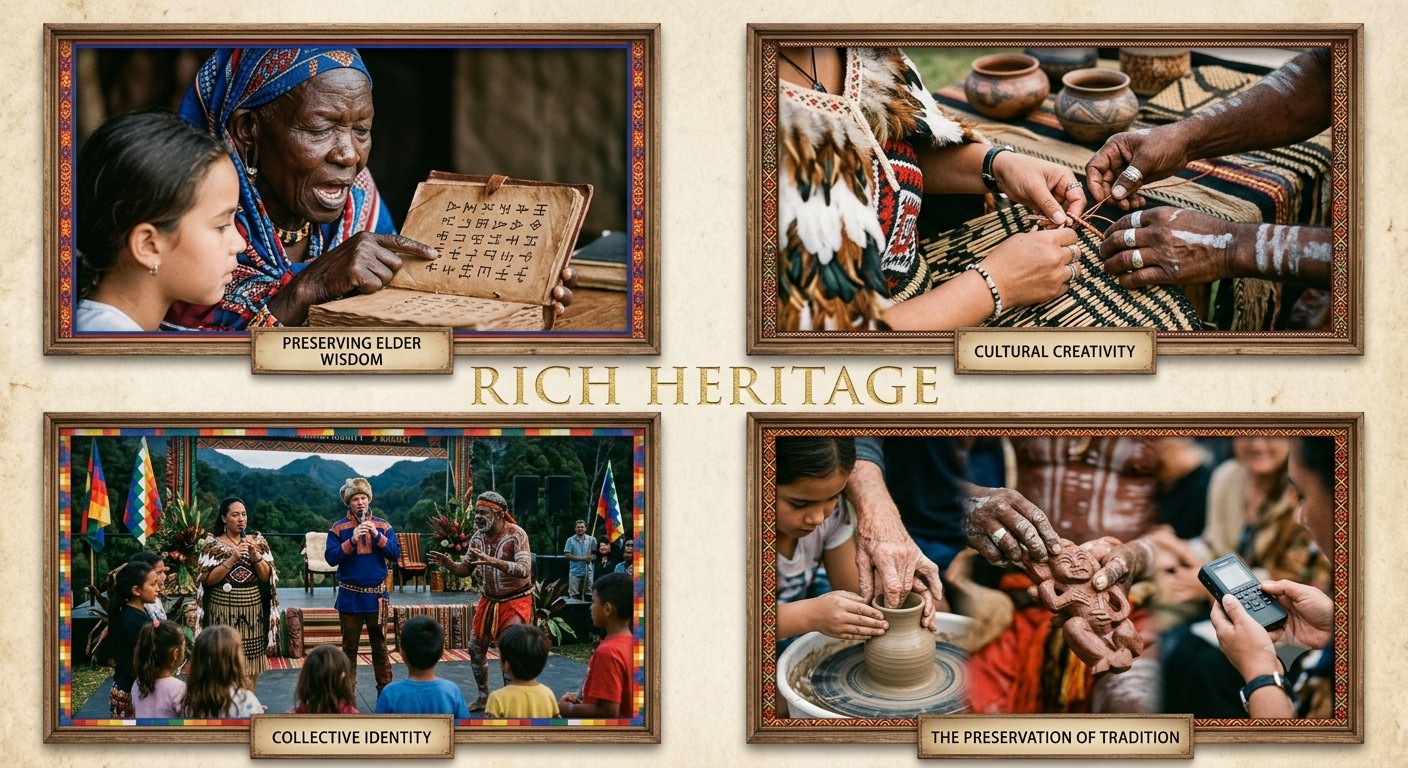
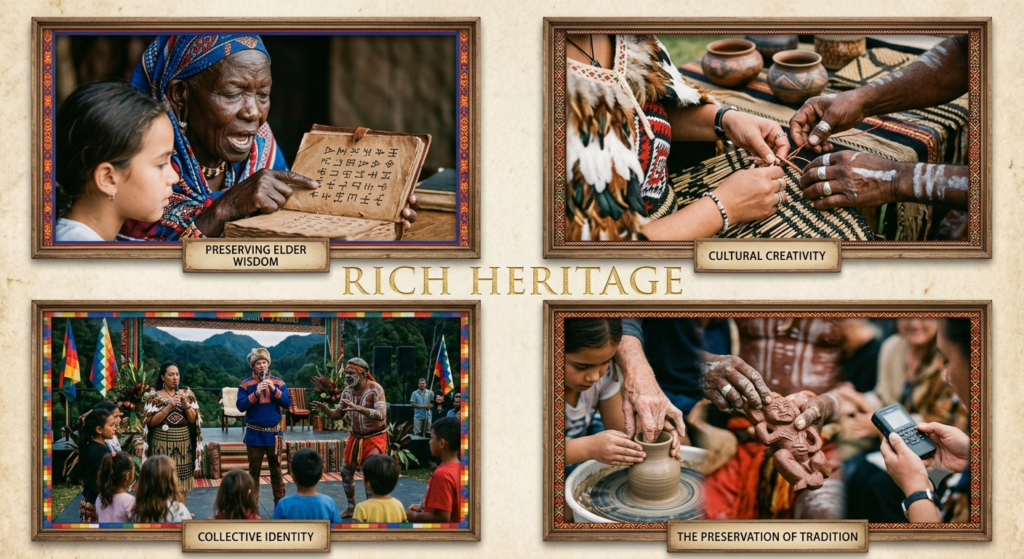
Indigenous communities preserve some of humanity’s oldest and most profound living traditions. Thousands of indigenous languages carry generations of history, wisdom, folklore, and identity. Protecting these languages is crucial for preserving global cultural diversity.
From intricate weaving and pottery to wood carving and handmade jewelry, indigenous craftsmanship reflects exceptional creativity. Furthermore, traditional community festivals preserve customs, storytelling, and collective identity. These vibrant gatherings effortlessly pass cultural values from one generation to the next.
Indigenous Knowledge and Environmental Conservation
For centuries, indigenous communities have lived in perfect harmony with nature. Their deep understanding of local ecosystems makes them unparalleled guardians of the environment.
Their traditional practices actively support forest conservation, sustainable agriculture, and crucial biodiversity protection. They are also experts in water conservation, herbal medicine, and wildlife preservation. Today, global researchers increasingly recognize indigenous knowledge as a critical resource for addressing climate change and achieving environmental sustainability.
Challenges Faced by Indigenous Communities
Despite their remarkable contributions to preserving cultural heritage and protecting biodiversity, many communities face severe hardships. Rapid urbanization, climate change, and globalization have made it difficult for indigenous groups to maintain their traditional ways of life. Addressing these systemic challenges requires highly coordinated efforts from global governments and modern society.
Poverty and Economic Struggles
Poverty remains one of the most pressing issues affecting indigenous communities worldwide. A large number of indigenous families live in geographically isolated areas where access to employment and infrastructure is heavily restricted.
Many rely on agriculture, forest resources, or traditional crafts for their daily livelihood. However, environmental degradation and shrinking natural resources have drastically reduced these income sources. Creating sustainable livelihood opportunities and supporting indigenous entrepreneurship are essential steps to improve their economic well-being.
Education and Language Barriers
Access to quality education continues to be a massive hurdle for many indigenous children. Schools are often located far from their communities, making regular attendance practically impossible.
Furthermore, education is often provided only in regional languages, creating severe barriers for children whose first language is indigenous. Promoting inclusive education and providing learning materials in native dialects can empower indigenous youth while strengthening their cultural identity.
Healthcare Inadequacies
Healthcare services remain largely inadequate in many indigenous regions due to remote locations and limited medical infrastructure. Communities often travel long distances just to access basic clinics or emergency medical care.
This lack of access results in delayed treatments, lower vaccination coverage, and inadequate maternal healthcare. Expanding mobile medical services and culturally sensitive healthcare programs can significantly improve their overall quality of life.
Threats to Land Rights
Land is deeply connected to the identity, culture, spirituality, and survival of indigenous communities. Unfortunately, industrial expansion, mining projects, and deforestation have increasingly threatened their ancestral territories.
In many tragic cases, communities face forced displacement without adequate consultation or fair financial compensation. Protecting indigenous land rights through strong legal frameworks and transparent policies is essential for safeguarding their heritage and local ecosystems.
The Fight for Cultural Preservation
While globalization creates new opportunities, it rapidly accelerates the loss of indigenous cultures, languages, and traditional knowledge. Younger generations are increasingly adopting mainstream lifestyles, leading to a sharp decline in native customs and folklore.
As esteemed community elders pass away, valuable oral histories and practices risk being lost forever. Preserving this heritage requires formally documenting traditional knowledge, promoting cultural education, and aggressively supporting intergenerational learning.
How to Support Indigenous Communities
Creating a truly inclusive society requires collective, unwavering responsibility. Both institutions and everyday citizens play a massive role in bridging the equality gap.
| Stakeholder Group | Key Actionable Steps |
| Governments | Strengthen legal protections, expand rural healthcare, and officially protect ancestral lands. |
| Educational Bodies | Organize cultural awareness programs, heritage exhibitions, and indigenous language sessions. |
| Individuals | Support native-owned businesses, oppose discrimination, and respect cultural differences. |
Indigenous Communities in India
India is proudly home to one of the world’s largest indigenous populations, commonly known as Adivasis or Scheduled Tribes. Communities such as the Gond, Bhil, Santhal, Munda, Khasi, and Toda have safeguarded unique traditions for centuries.
Recognizing their immense ecological contributions and ensuring equal opportunities remains essential for inclusive national development in India.
The Role of Young People
Young generations play a highly meaningful role in protecting indigenous heritage. Students can proactively help by respecting cultural diversity, learning about indigenous history, and sharing awareness within their social circles. Schools and colleges can further this mission by hosting documentary screenings and essay competitions focused on indigenous rights.
Satgyaan: Spiritual Wisdom for Equality and Human Unity
The International Day of the World’s Indigenous People deeply reminds us that humanity is one family, regardless of varying languages, customs, or social identities. According to the teachings of Sant Rampal Ji Maharaj, every soul is unequivocally equal before the Supreme God.
His profound spiritual knowledge encourages people to rise above discrimination based on caste, tribe, race, or nationality. Followers are taught to treat every individual with absolute dignity, compassion, and unwavering respect.
Sant Rampal Ji Maharaj explains that true spiritual wisdom effortlessly promotes unity, equality, and universal brotherhood. When people wholeheartedly embrace these values, they naturally develop respect for every community, building a harmonious society where all individuals receive equal honor.
Click here : International Friendship Day 2026: Who is the Friend Who can Help us In Any Situation?
FAQs: International Day of the World’s Indigenous People
1. What is the International Day of the World’s Indigenous People?
The International Day of the World’s Indigenous People is a global observance held every year on August 9th. It is dedicated to recognizing the rights, cultures, traditions, and vital global contributions of indigenous communities.
2. Who exactly are indigenous people?
Indigenous people are the original, native inhabitants of a region who have successfully preserved their unique languages, cultural heritage, and traditional lifestyles over multiple generations.
3. Why is the International Day of the World’s Indigenous People so important?
The International Day of the World’s Indigenous People is crucial because it raises necessary awareness about the systemic challenges these communities face, while actively promoting the protection of their human rights and ancestral lands.
4. How can individuals respectfully support indigenous communities?
People can support these communities by learning about their rich traditions, advocating for their equal rights, purchasing goods from indigenous artisans, and actively speaking out against cultural discrimination.
5. How do indigenous populations contribute to environmental conservation?
Indigenous communities possess centuries of valuable traditional knowledge regarding sustainable farming, forest conservation, and water management. Their deep respect for ecological balance makes them critical partners in protecting the global environment.
Related Stories





Discussion (0)