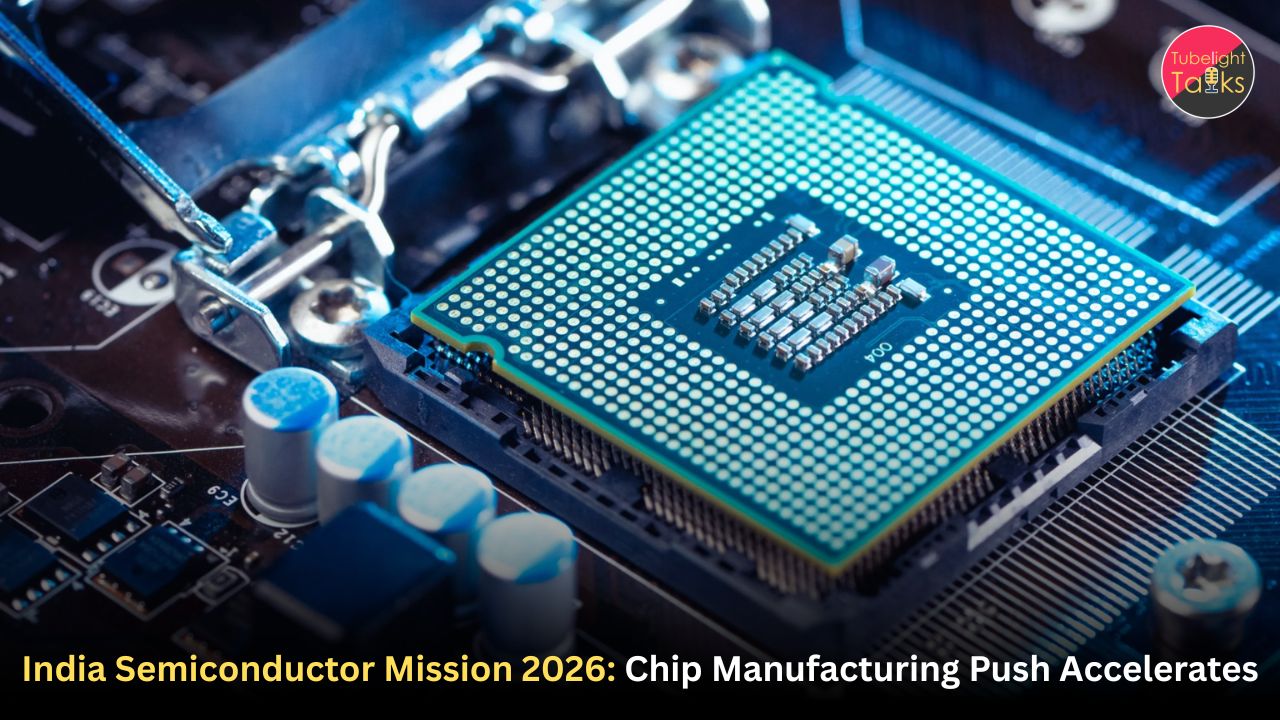
India Strengthens Semiconductor Ecosystem to Drive Technological Self-Reliance
India is rapidly advancing its semiconductor mission, marking a significant step toward technological independence in a world increasingly driven by digital infrastructure. With global supply chains facing disruptions in recent years, the need for domestic chip manufacturing has become critical. Recognizing this, India has intensified efforts to build a robust semiconductor ecosystem through investments, policy support, and international partnerships.
Strategic Importance of Semiconductor Manufacturing
Semiconductors are the backbone of modern technology, powering everything from smartphones and automobiles to defense systems and advanced computing. India’s push into chip manufacturing is not just an economic decision but a strategic necessity to secure its position in the global technology landscape.
Government Initiatives and Policy Support
The government has introduced multiple incentive schemes to attract investment in semiconductor manufacturing. These include financial support for fabrication units, design incentives, and infrastructure development. Such policies aim to create a favorable environment for both domestic and global players.
Also Read: Technological Growth: India Semiconductor Mission 2.0 Broadens the Chip Strategy
Global Partnerships and Investments
India is collaborating with international technology leaders to establish semiconductor manufacturing facilities. These partnerships bring expertise, advanced technology, and capital investment, accelerating the development of a competitive ecosystem.
Job Creation and Skill Development
The semiconductor industry requires a highly skilled workforce. As the sector grows, it is expected to create thousands of jobs in engineering, research, and manufacturing. Educational institutions are also adapting to meet the demand for specialized skills.
Impact on Digital Economy
A strong semiconductor ecosystem will support the growth of India’s digital economy. It will enable advancements in artificial intelligence, telecommunications, and electronics manufacturing, contributing to overall economic development.
Challenges in Building the Ecosystem
Establishing semiconductor manufacturing involves significant challenges, including high capital costs, technological complexity, and the need for reliable supply chains. Addressing these issues requires long-term planning and sustained investment.
Regional Development and Infrastructure
New semiconductor facilities are expected to drive regional development by attracting industries and improving infrastructure. This will create economic hubs and enhance connectivity in various parts of the country.
India’s Position in Global Technology
By strengthening its semiconductor capabilities, India is positioning itself as a key player in the global technology ecosystem. This move reduces dependence on imports and enhances competitiveness in international markets.
True Wisdom Beyond Technology
While semiconductor technology represents advanced human innovation, Sant Rampal Ji Maharaj teaches that true wisdom lies beyond material progress. He explains that technological advancement must be guided by ethical and spiritual understanding. By following the path of Satgyan, individuals can achieve balance between innovation and inner peace.
FAQs: India Semiconductor Mission 2026
1. What is India’s semiconductor mission?
It is an initiative to develop domestic chip manufacturing capabilities and reduce reliance on imports.
2. Why are semiconductors important?
They are essential components in modern electronic devices and critical infrastructure.
3. How will this benefit the economy?
It will create jobs, boost manufacturing, and strengthen the digital economy.
4. What challenges does the sector face?
High costs, technological complexity, and supply chain dependencies are key challenges.
5. Will this improve India’s global position?
Yes, it will enhance India’s competitiveness in the global technology market.
Related Stories










Discussion (0)