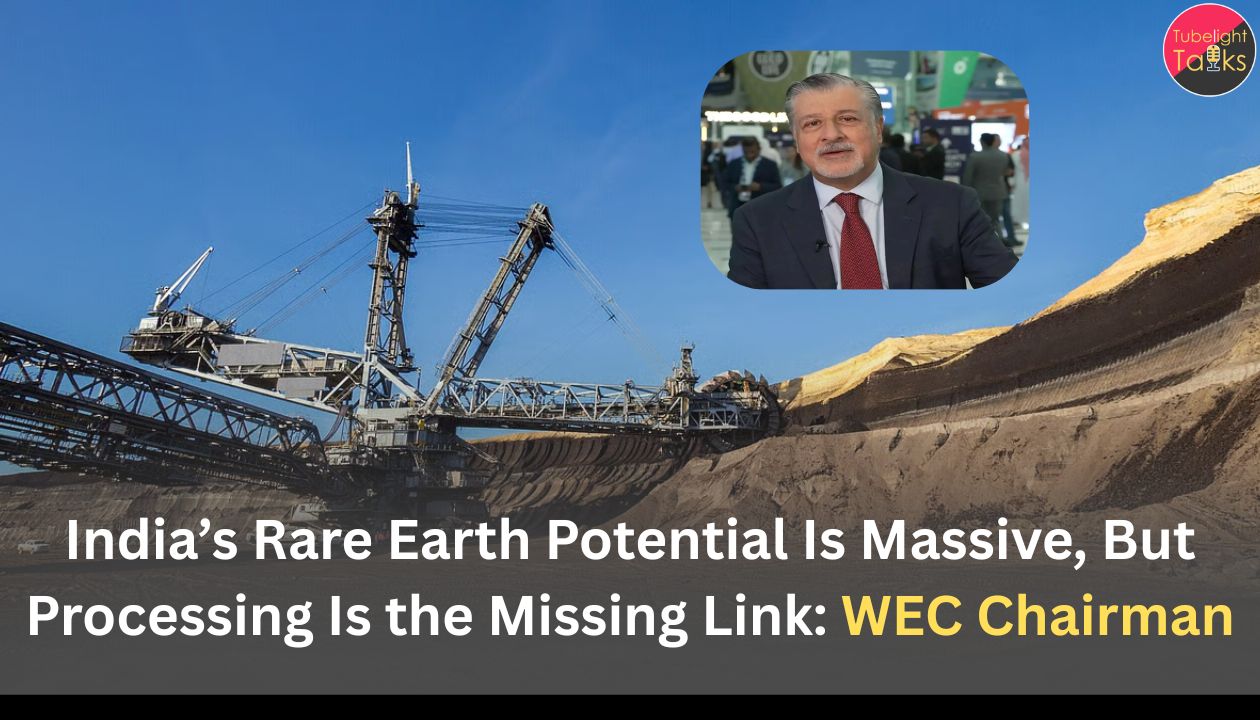
India’s Rare Earth Potential Is Massive, But Processing Is the Missing Link: WEC Chairman
India’s Rare Earth Potential Is Massive: India has the geological wealth to become a global powerhouse in rare earth elements (REEs)—critical for clean energy, electronics, and defense. But a lack of refining and processing infrastructure is holding it back, according to World Energy Council (WEC) Chairman Adnan Amin, who spoke during a recent energy dialogue hosted in New Delhi.
Amin emphasized that while India has the mineral base, the country must now scale up its technological and industrial capabilities to refine, process, and integrate these materials into high-value global supply chains.
Rare Earths: The Unsung Heroes of the Green Revolution
What Are Rare Earths?
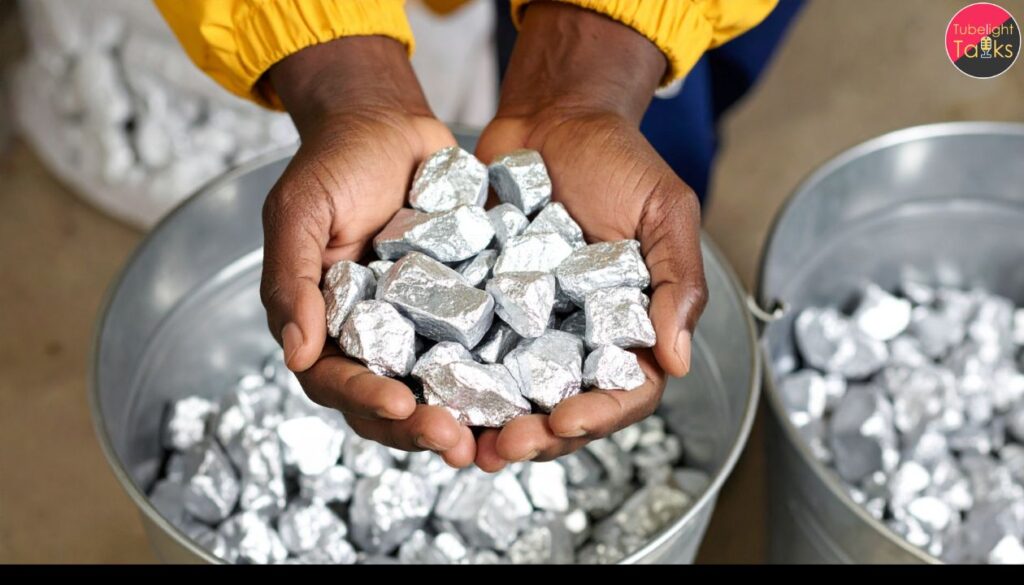
Rare Earth Elements are a group of 17 metallic elements, crucial for the manufacturing of:
- Wind turbine magnets
- Electric vehicle motors
- Smartphones and electronics
- Aerospace and defense systems
- Renewable energy storage solutions
Despite being termed “rare,” these minerals are geologically abundant in countries like India but remain underutilized due to limited processing capabilities.
India’s Strength: Vast Untapped Reserves
Geological Abundance
India has large reserves of rare earths like monazite, which is found in beach sands of Tamil Nadu, Kerala, and Odisha.
- India’s monazite reserves are estimated to be the third-largest globally.
- Organizations like IREL (India) Limited are engaged in primary extraction.
However, India largely exports raw materials and imports processed rare earths at a premium, leading to a strategic and economic gap.
The Missing Link: Processing and Value Addition
China’s Lead
China has maintained dominance over the rare earth market for over two decades by:
- Building advanced refining technology
- Developing integrated supply chains
- Subsidizing domestic industries
“Rare earths aren’t rare. What’s rare is the infrastructure and know-how to process them. That’s where India must act.”
— WEC Chairman
India’s Challenge
- Limited domestic capacity for refining and separation
- Lack of investment in rare earth industrial ecosystems
- Insufficient public-private partnerships in the sector
Strategic Implications for India
National Security and Energy Independence
- India’s reliance on imports from China is a vulnerability, especially in sectors like missile guidance systems, satellite tech, and electric mobility.
- Investing in rare earth refining would enhance India’s Atmanirbhar Bharat (self-reliance) mission.
Economic Growth Opportunity
- Establishing a rare earth value chain could:
- Generate thousands of high-tech jobs
- Support EV and battery manufacturing
- Boost Make in India and export capabilities
- Generate thousands of high-tech jobs
Government and Industry Response
Current Initiatives
- The Department of Atomic Energy and IREL (India) Ltd are working on rare earth extraction.
- PLI (Production-Linked Incentive) schemes have begun to support advanced manufacturing.
- Discussions on joint ventures with countries like Australia and Japan are ongoing.
But experts believe more must be done at scale, including:
- Incentivizing private sector R&D
- Establishing special economic zones for rare earth industries
- Fast-tracking environmental clearances and mining regulations
Global Context: Race for Rare Earth Sovereignty
Worldwide Scramble
As the world transitions to clean energy, countries are racing to secure rare earth supplies:
- U.S. and EU are reducing dependence on Chinese imports.
- Australia and Canada are scaling domestic refining.
- Africa is emerging as a new rare earth frontier.
India must seize the opportunity now or risk being left behind in the new global resource war.
Extracting Earth’s Wealth with Responsibility
The pursuit of material wealth must be guided by spiritual wisdom and moral restraint. According to Sant Rampal Ji Maharaj, Earth’s natural riches are divine provisions meant for balanced and sustainable use, not exploitation.
“True prosperity lies not in hoarding nature’s wealth, but in sharing it wisely, justly, and peacefully under God’s guidance.”
— Sant Rampal Ji Maharaj
He teaches that spiritual enlightenment (Sat Gyaan) leads to ethical decisions, including how we handle our natural wealth. If India rises to rare earth leadership, it must do so with environmental sensitivity and ethical intent.
Learn more:
India’s Time to Lead the Rare Earth Revolution
Develop, Refine, and Dominate Sustainably
From Raw Exporter to Rare Earth Leader
- Support policies that fund R&D in rare earth refining
- Advocate for transparent mining practices and worker safety
- Encourage public-private partnerships in the sector
- Align rare earth strategy with climate goals and spiritual values
Read Also: India The World’s Economic Powerhouse in 2025, IMF Data Revealed
FAQs: India’s Rare Earth Elements
Q1. What are rare earth elements used for?
They are used in clean energy tech, smartphones, EVs, defense systems, and more.
Q2. Does India have rare earths?
Yes, especially monazite in coastal sands. India has the 3rd-largest reserves.
Q3. Why isn’t India a leader in rare earths yet?
Lack of refining and processing capabilities compared to China.
Q4. What did the WEC Chairman say?
He urged India to invest in infrastructure, processing, and value addition.
Q5. What steps should India take next?
Invest in refining, encourage private R&D, and build global partnerships.
Related Stories









Discussion (0)