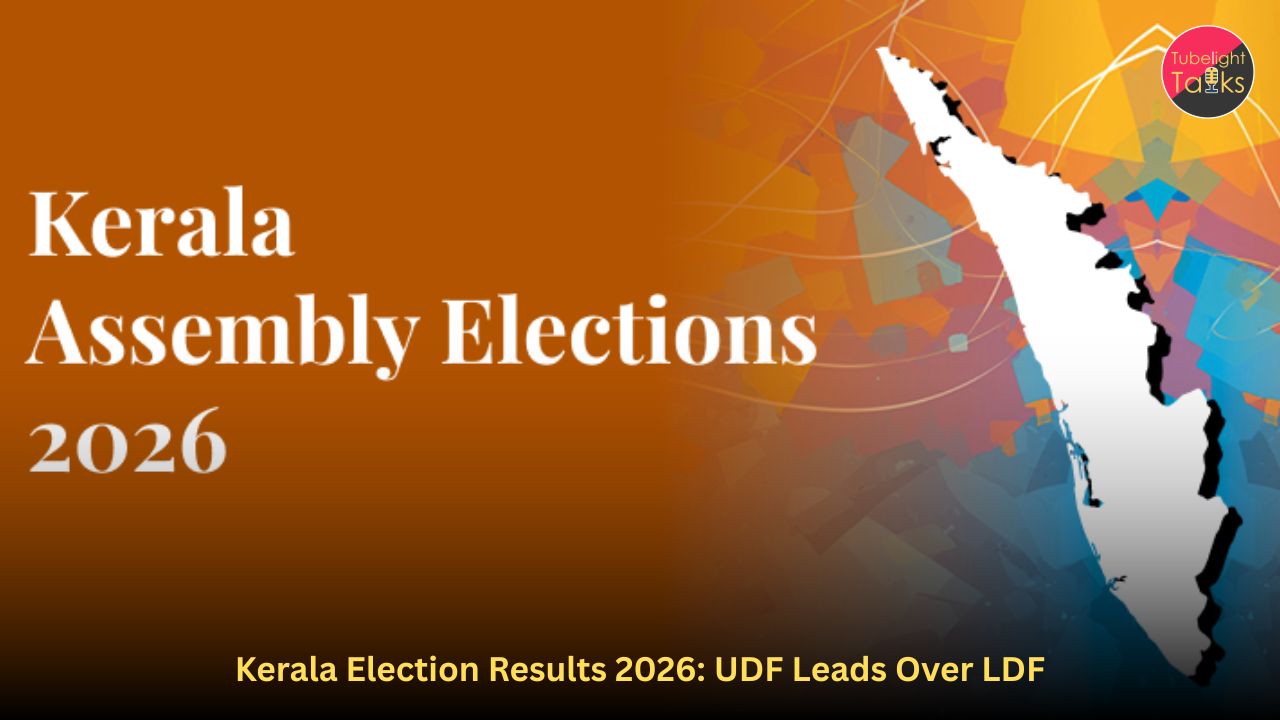
Kerala Trends Point Toward Possible Power Shift as UDF Moves Ahead of LDF
Kerala’s electoral trends are once again reflecting the state’s dynamic and highly competitive political culture, with the United Democratic Front gaining an early lead over the ruling Left Democratic Front. Known for its cyclical pattern of alternating governments, Kerala often produces outcomes that reflect both governance evaluation and voter desire for change. The current trends appear to align with this historical pattern, but the close margins across constituencies mean that the final result is still uncertain and subject to change as counting progresses.
UDF’s Early Advantage and Regional Spread
The early leads secured by UDF are spread across several key regions, suggesting a broad-based support rather than isolated gains. This indicates that voter sentiment may be shifting across different socio-economic groups, possibly driven by local governance issues, economic concerns, and expectations for administrative change. However, the margins in many of these constituencies remain narrow, making it essential to interpret the trends with caution.
LDF’s Continued Relevance and Resistance
Despite trailing in early trends, the Left Democratic Front remains a formidable political force with deep organizational roots and a strong ideological base. Kerala’s electorate has historically valued governance performance, and LDF’s track record in sectors like healthcare, education, and social welfare continues to influence voter perception. As counting moves into later rounds, particularly in constituencies where LDF has traditionally been strong, the contest could tighten significantly.
Also Read: Tamil Nadu Politics Enters a Transformative Phase as Vijay’s TVK Emerges in Early Leads
Importance of Coalition Dynamics
Kerala’s political system is heavily alliance-driven, with both UDF and LDF comprising multiple parties that contribute to vote share and seat outcomes. The effectiveness of these alliances in transferring votes and maintaining cohesion is a critical factor in determining the final result. Even minor variations in alliance performance can have a disproportionate impact on seat distribution, especially in closely contested constituencies.
Also Read: West Bengal Trends Signal Possible Political Realignment as BJP Takes Early Lead
High Voter Turnout and Competitive Margins
The election witnessed strong voter participation, reflecting a high level of political awareness and engagement among citizens. Such turnout often leads to competitive results, as it brings in a wider cross-section of voters with diverse preferences. The narrow margins in several constituencies underscore the importance of each vote and highlight the unpredictability of the final outcome.
Historical Patterns and Final Outcome
Kerala’s history of alternating governments provides an important context for interpreting the current trends. While early leads suggest a possible shift toward UDF, the final outcome will depend on how these trends evolve in subsequent counting rounds. The state’s electorate has consistently demonstrated its ability to produce balanced and competitive results, ensuring that no outcome can be taken for granted until the final count is complete.
For latest Inforamtion: visit – Election commision of india
Socio-Economic Factors Shaping Voting Patterns
Kerala’s electorate is highly informed and often influenced by socio-economic factors such as employment opportunities, public services, and quality of life indicators. The current trends suggest that voters may be responding to a combination of economic pressures and expectations for improved governance. Issues like job creation, cost of living, and infrastructure development have played a role in shaping voter preferences, making the election outcome a reflection of broader socio-economic concerns.
Importance of Policy Continuity vs Change
A key question emerging from the election is whether voters prefer continuity in governance or a shift toward new leadership. While the LDF has emphasized its achievements in public welfare and crisis management, the UDF has focused on the need for change and fresh direction. The final outcome will indicate which narrative resonated more strongly, providing insights into voter priorities and future policy expectations in the state.
FAQs: Kerala Election Results 2026
1. Who is leading in Kerala?
UDF is leading in early trends.
2. Is the government changing?
It is possible but not confirmed.
3. Are results final?
No, counting continues.
4. What alliances are contesting?
UDF and LDF are main alliances.
5. Why is this important?
It may change governance in the state.
Related Stories








Discussion (0)