AI Data Center Protests Surge Across 40 US States
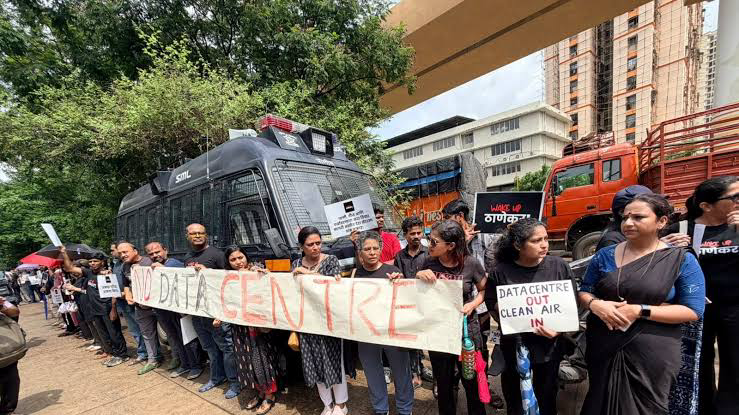
The rapid expansion of artificial intelligence infrastructure is encountering widespread public resistance across the United States. What began as isolated neighborhood zoning objections in Northern Virginia’s “Data Center Alley” has coalesced into a coordinated national movement. On July 22, 2026, active AI data center protests and civic petitions were reported across more than 40 states.
Protesters are demanding immediate state and federal moratoriums on new hyper-scale data center permits until utility companies and technology corporations can guarantee renewable energy sourcing and transparent water management protocols.
Why AI Data Center Protests Are Spreading Rapidly
The surge in public opposition stems from growing concerns over the immense natural resources required to power and cool modern AI server clusters. Local communities argue that uninhibited industrial development threatens essential regional infrastructure and natural resources.
Grid Strain, Water Usage, and Local Environmental Impact
- Electric Grid Capacity: Local utility providers in Virginia, Ohio, and Texas report that high-voltage power requests for data center campuses are threatening regional grid reliability and driving up residential electricity rates.
- Water Consumption: Cooling systems for advanced computing facilities consume millions of gallons of potable water daily, raising alarms among agricultural communities facing seasonal drought conditions.
- Noise Pollution & Land Use: Residents living near newly constructed industrial parks report persistent low-frequency acoustic hums from massive cooling fans and backup diesel generators, sparking legal challenges over municipal acoustic ordinances.
AI Infrastructure Boom Reshapes Energy Planning
The unprecedented demand for generative AI, cloud computing, and high-performance computing has accelerated data center construction across North America. The scale of this buildout is forcing energy planners to make major adjustments to regional development frameworks.
Utility companies are now being compelled to expand transmission infrastructure, upgrade substations, and develop long-term energy strategies. They must find ways to support rapidly increasing electricity demand while maintaining grid reliability for households and traditional industries.
Click here: Shocking Delhi Opposition Protest: High-Stakes 2026 Shift
Balancing Innovation with Sustainable Development
The growing public debate highlights the challenge of balancing technological innovation with environmental sustainability and community interests. As a result, civic leaders are taking a closer look at the long-term impact of hyper-scale computing facilities.
Policymakers are increasingly evaluating stricter environmental assessments, renewable energy requirements, water conservation measures, and local consultation processes. These steps aim to ensure that future AI infrastructure expansion aligns with long-term economic growth and responsible resource management.
US AI Data Center Infrastructure & Resistance Summary (July 2026)
| Operational Impact Vector | Reported Concern & Community Demand |
| Geographic Scope | Active grassroots protests & petitions across 40+ US states. |
| Energy Impact | Surging regional grid loads & rising residential utility rates. |
| Water Resource Strain | High daily consumption of local water tables for evaporative cooling. |
| Regulatory Demands | Mandatory renewable energy sourcing & municipal moratoriums. |
Tech Industry Response to AI Data Center Protests
In response to rising civic resistance and widespread AI data center protests, major technology firms have committed to accelerating investments in clean energy alternatives. Companies are exploring next-generation nuclear micro-reactors (SMRs), geothermal energy, and closed-loop liquid cooling technologies that minimize water consumption.
However, energy analysts warn that bridging the gap between current grid limitations and future clean energy deployment will remain a critical bottleneck for the global AI ecosystem.
Service, Humility and Public Duty
The global appetite for computational power, massive server networks, and digital dominance illustrates humanity’s ongoing effort to expand material capabilities. Yet, Sant Rampal Ji Maharaj’s spiritual guidance reminds us that physical machines and technological infrastructure cannot provide true peace or spiritual fulfillment.
SatGyan teaches that when society pursues technological expansion without regard for natural balance, humility, and the well-being of surrounding communities, it generates friction and environmental distress. According to the eternal spiritual laws of Supreme God Kabir, true progress occurs when human knowledge and technology are exercised with profound humility, selflessness, and a deep commitment to preserving life and serving all creation.
Click here : Awareness of Religious Hypocrisy
FAQs on AI Data Center Protests
Why are AI data center protests occurring across the US?
Protesters are concerned about high electrical grid consumption, heavy local water usage for cooling systems, rising utility bills, and persistent noise pollution from cooling fans.
In how many states have AI data center protests been organized?
Grassroots demonstrations and petitions associated with AI data center protests have mobilized across more than 40 US states in 2026.
How are technology companies addressing these energy and water concerns?
Tech firms are exploring alternative solutions, including closed-loop liquid cooling systems, small modular nuclear reactors (SMRs), and direct power-purchase agreements with renewable energy providers.
What specific regulatory demands are local communities making?
Communities are calling for temporary moratoriums on new permits, strict noise limits, and legally binding commitments that tech companies fund their own clean energy infrastructure.
Related Stories







Discussion (0)