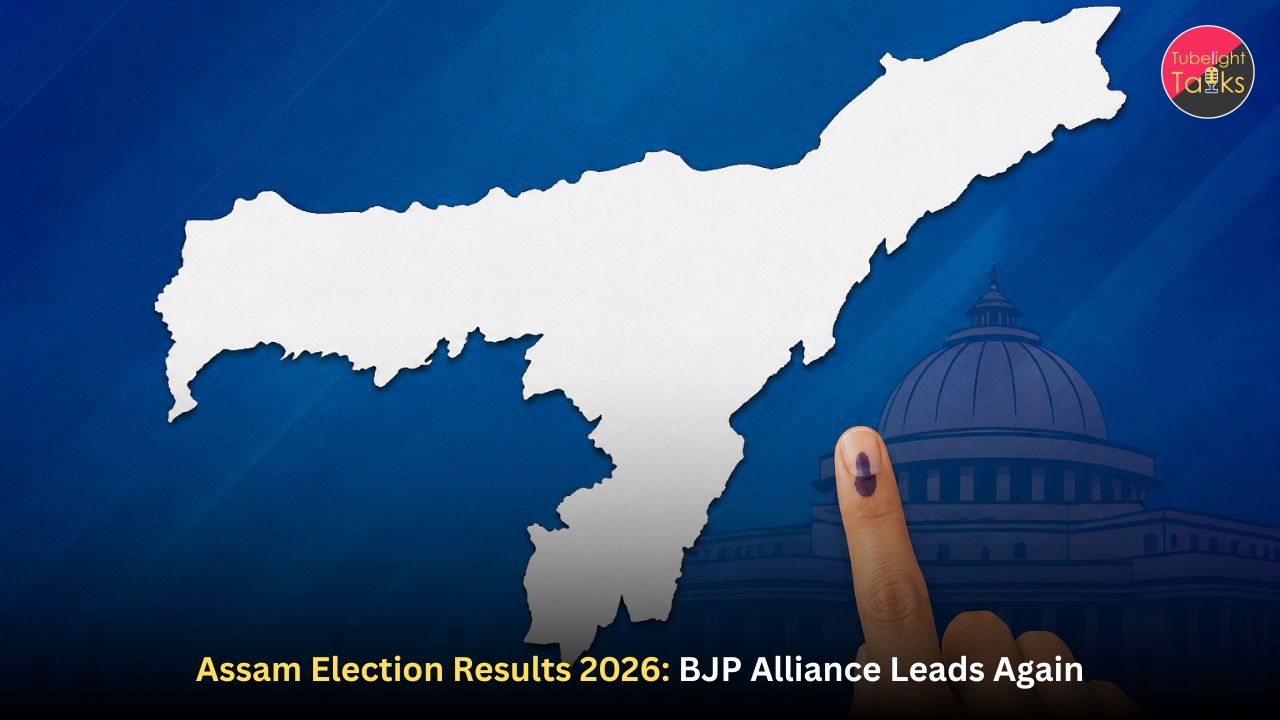
Assam Signals Political Continuity as BJP Alliance Maintains Strong Lead
Assam’s election trends are pointing toward political continuity, with the BJP-led alliance maintaining a comfortable lead across multiple constituencies. Unlike states witnessing dramatic shifts, Assam appears to be reinforcing its existing political direction, reflecting sustained voter confidence in the current leadership. The possibility of a second consecutive term for the alliance highlights the importance of stability and development in shaping electoral outcomes.
Spread of Leads Across the State
The alliance’s performance is not confined to a few regions but is visible across a wide geographical spread, indicating broad-based support. This suggests that the party’s policies and governance approach have resonated with diverse voter groups, including urban, rural, and tribal communities. Such a pattern strengthens the likelihood of a stable mandate if trends hold through later counting rounds.
Development and Governance as Key Factors
One of the major drivers behind the alliance’s lead appears to be the emphasis on development initiatives, including infrastructure projects, connectivity improvements, and welfare programs. These efforts have contributed to a perception of administrative efficiency and progress, which often plays a decisive role in voter decision-making. The continuity of such policies may have reinforced trust among the electorate.
Also Read: Kerala Trends Point Toward Possible Power Shift as UDF Moves Ahead of LDF
Opposition’s Limited Momentum
Opposition parties have struggled to generate significant momentum in the face of the alliance’s strong performance. While there are pockets of resistance, they have not translated into a widespread challenge. This reflects the difficulty of countering an incumbent government that has managed to maintain both organizational strength and public support.
Also Read: Tamil Nadu Politics Enters a Transformative Phase as Vijay’s TVK Emerges in Early Leads
Stability as a Political Preference
Voters in Assam appear to be prioritizing stability and continuity, particularly in a region where consistent governance is seen as essential for development and security. This preference is reflected in the steady leads observed across constituencies, suggesting that the electorate may be inclined to extend the current government’s tenure.
Also Read: West Bengal Trends Signal Possible Political Realignment as BJP Takes Early Lead
Implications for Northeast Politics
A strong mandate for the BJP-led alliance in Assam could have broader implications for politics across the Northeast. It would reinforce the party’s position in the region and influence political strategies in neighboring states, shaping the future direction of regional alliances and governance models.
Infrastructure Development as a Deciding Factor
One of the central themes influencing voter behavior in Assam has been infrastructure development, including roads, connectivity, and public services. Improved accessibility and visible development projects often translate into tangible benefits for citizens, strengthening the credibility of the ruling alliance. The emphasis on infrastructure has not only supported economic growth but also reinforced the perception of effective governance among voters.
Social Cohesion and Governance Stability
Another important factor contributing to the alliance’s lead is the perception of social stability and cohesive governance. In a region with diverse communities and complex socio-political dynamics, maintaining harmony and administrative consistency is a significant achievement. Voters appear to have responded positively to this aspect, prioritizing stability and continuity as key considerations in their electoral choices.
FAQs: Assam Election Results 2026
1. Who is leading in Assam?
BJP-led alliance.
2. Is this a second term?
Likely, based on trends.
3. Are results final?
No.
4. What factors contributed?
Development and governance.
5. What is the significance?
Indicates continuity in leadership.
Related Stories







Discussion (0)