US-Iran Peace Talks in Pakistan: A Critical Step Toward Stability
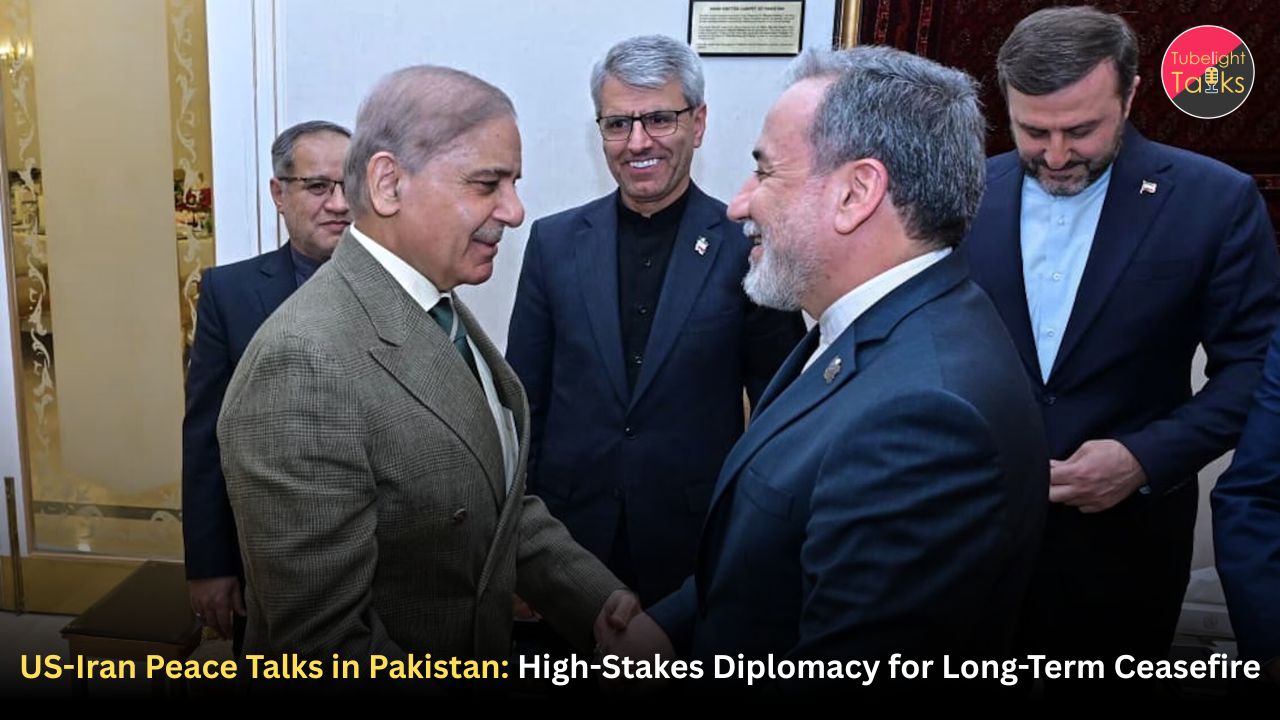
In a significant diplomatic development, the United States and Iran have initiated a second round of high-level peace talks in Islamabad, Pakistan. The presence of senior envoys including Steve Witkoff and Jared Kushner alongside Iran’s Foreign Minister Abbas Araghchi highlights the seriousness of these negotiations. With escalating tensions in the Middle East threatening global stability, these talks aim to secure a long-term ceasefire and establish a framework for peaceful coexistence.
Background of US-Iran Relations
The relationship between the United States and Iran has been fraught with conflict for decades. From the 1979 Iranian Revolution to ongoing disputes over nuclear programs, both nations have struggled to find common ground.
Key Historical Flashpoints
The breakdown of diplomatic relations began after the hostage crisis in 1979. Since then, sanctions, proxy conflicts, and military tensions have defined the relationship.
Nuclear Deal Fallout
The collapse of the 2015 nuclear agreement further strained ties, leading to renewed sanctions and regional instability.
Also Read: Air Defense Systems Activated in Tehran After Reports of Explosions
Why Islamabad Was Chosen for Talks
Pakistan’s capital, Islamabad, has emerged as a neutral ground for diplomatic engagement.
Strategic Neutrality
Pakistan maintains working relations with both the US and Iran, making it a suitable mediator.
Regional Importance
Its geographic location and political influence in South Asia provide an ideal environment for sensitive negotiations.
Key Objectives of the Peace Talks
The ongoing negotiations aim to address several critical issues.
Long-Term Ceasefire
The primary goal is to establish a sustainable ceasefire to prevent further escalation.
Regional Stability
Reducing proxy conflicts in neighboring regions is a major priority.
Economic Relief
Sanctions relief for Iran is being discussed in exchange for compliance with international agreements.
Role of Key Diplomats
The presence of high-profile diplomats underscores the importance of these talks.
Steve Witkoff’s Role
As a seasoned negotiator, Witkoff is focusing on bridging gaps between the two nations.
Jared Kushner’s Strategy
Kushner brings experience from Middle East diplomacy, aiming to create a balanced agreement.
Abbas Araghchi’s Position
Araghchi represents Iran’s stance on sovereignty and sanctions relief.
Challenges Facing the Negotiations
Despite optimism, several obstacles remain.
Trust Deficit
Decades of hostility make mutual trust difficult.
Domestic Pressures
Both governments face internal political pressures that could influence outcomes.
External Influences
Regional powers and allies may impact the negotiation process.
Also Read: Strait of Hormuz Tensions Peak as Trump Orders Response to Iranian Boats
Global Impact of the Talks
The outcome of these discussions will have far-reaching consequences.
Oil Markets
Stability in the Middle East directly affects global energy prices.
International Security
A successful agreement could reduce the risk of broader conflict.
Diplomatic Precedent
It may set an example for resolving other international disputes.
Expert Opinions and Analysis
Global analysts remain cautiously optimistic.
Positive Indicators
The willingness of both sides to engage is seen as a positive step.
Skepticism Remains
Past failures make experts wary of long-term success.
What Happens Next?
The next phase will involve detailed negotiations and possible agreements.
Draft Agreements
Teams will work on formalizing terms.
Implementation Challenges
Ensuring compliance will be a major hurdle.
Peace Beyond Politics
In the midst of global conflicts and diplomatic negotiations, the teachings of Sant Rampal Ji Maharaj provide a deeper perspective. According to his spiritual knowledge, true and lasting peace cannot be achieved solely through political agreements or treaties. While diplomacy may temporarily resolve conflicts, the root cause of unrest lies in human ignorance of spiritual truth and divine laws.
Sant Rampal Ji Maharaj emphasizes that only by following true spiritual wisdom and adopting righteous living can humanity achieve permanent harmony. Just as nations seek ceasefires to avoid destruction, individuals must seek spiritual awakening to eliminate inner conflicts. His teachings suggest that global peace begins with individual transformation through true devotion and understanding of God.
For more insights, visit: www.jagatgururampalji.org
Call to Action
As global events unfold, staying informed is essential. Understanding the complexities of international diplomacy helps individuals become more aware of the world around them. At the same time, exploring spiritual wisdom can provide clarity and inner peace in uncertain times. Follow trusted news sources and seek knowledge that enriches both mind and soul.
FAQs: US-Iran Peace Talks in Pakistan
1. Why are US-Iran talks happening in Pakistan?
Pakistan offers a neutral location with diplomatic ties to both countries, making it suitable for negotiations.
2. What is the main goal of these talks?
The primary objective is to secure a long-term ceasefire and reduce regional tensions.
3. Who are the key representatives in the talks?
US envoys Steve Witkoff and Jared Kushner and Iran’s Foreign Minister Abbas Araghchi are leading the discussions.
4. Will these talks lead to a permanent solution?
While hopeful, achieving a permanent solution depends on mutual trust and compliance.
5. How will this affect global markets?
Stability in the Middle East can positively impact oil prices and global economic conditions.
Related Stories






Discussion (0)