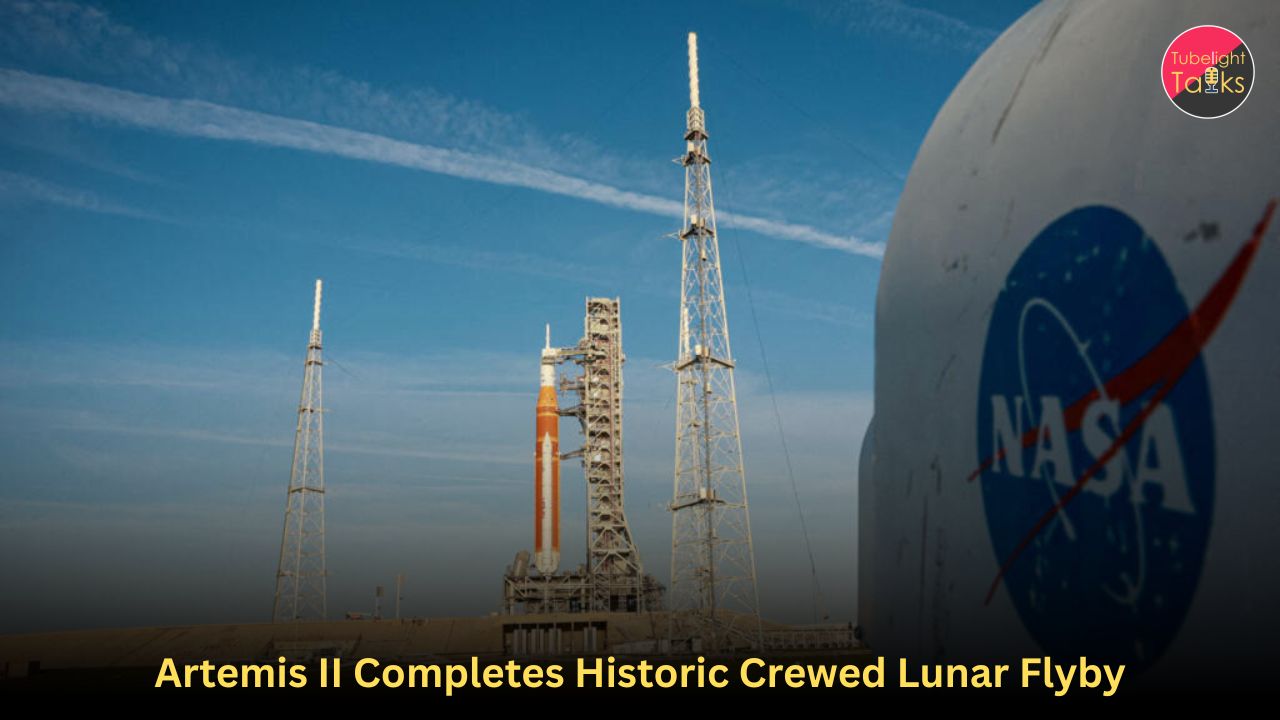
Artemis II Marks Humanity’s Return Around the Moon
NASA’s Artemis II mission has successfully completed its nearly 10-day journey around the Moon, becoming the first crewed lunar mission since the Apollo era. The mission launched on April 1, 2026, and splashed down in the Pacific Ocean on April 10 with astronauts Reid Wiseman, Victor Glover, Christina Koch and Canadian astronaut Jeremy Hansen aboard Orion.
A Historic Return to Deep Space
Artemis II was the first crewed flight of NASA’s Orion spacecraft and Space Launch System under the Artemis program. The mission did not land on the Moon but flew around it to test Orion’s systems, crew operations and mission procedures.
Why the Mission Matters
The flight proved that astronauts can safely travel beyond low Earth orbit in Orion. It was designed to validate systems needed for Artemis III and later lunar landing missions. NASA described Artemis II as laying groundwork for lunar surface missions, a Moon base and future Mars missions.
Also Read: Artemis II and the ISS Complete a Historic Deep-Space Call
Record-Setting Lunar Journey
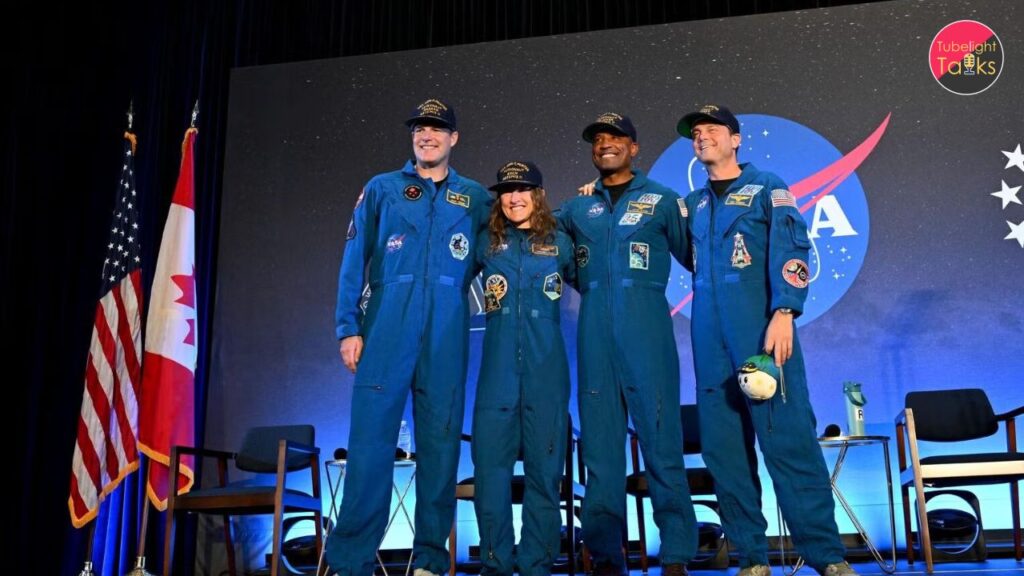
During the mission, the crew travelled farther from Earth than any humans before, surpassing the Apollo 13 distance record. This made Artemis II not only a symbolic return to lunar exploration but also a technical milestone in human spaceflight.
Orion’s Life-Support Test
The mission’s central goal was to confirm that Orion could support a human crew during deep-space travel. Life-support, navigation, communications, re-entry and splashdown recovery systems were tested under real mission conditions.
What Comes Next
Artemis II strengthens NASA’s confidence for Artemis III, which aims to return humans to the lunar surface. Future missions will focus on longer stays, lunar science, Gateway operations and technologies needed for Mars exploration.
Science With Higher Purpose
Humanity’s return to lunar space shows the power of knowledge, courage and planning. Sant Rampal Ji Maharaj teaches that material knowledge should be used with humility and righteousness, while true spiritual knowledge guides human beings toward the real purpose of life and salvation.
Call to Action
Students should follow space science, astronomy, engineering and robotics as future career paths. Space exploration inspires innovation, but humanity must also remember ethical responsibility and spiritual wisdom.
FAQs: Artemis II Completes Historic Crewed Lunar Flyby
Q1. What was Artemis II?
Artemis II was NASA’s first crewed lunar flyby mission under the Artemis program.
Q2. When did Artemis II launch?
It launched on April 1, 2026.
Q3. Did Artemis II land on the Moon?
No, it flew around the Moon but did not land.
Q4. Who were the astronauts?
Reid Wiseman, Victor Glover, Christina Koch and Jeremy Hansen.
Q5. Why is Artemis II important?
It tested Orion’s crew systems and prepared the way for future lunar landings.
Related Stories










Discussion (0)