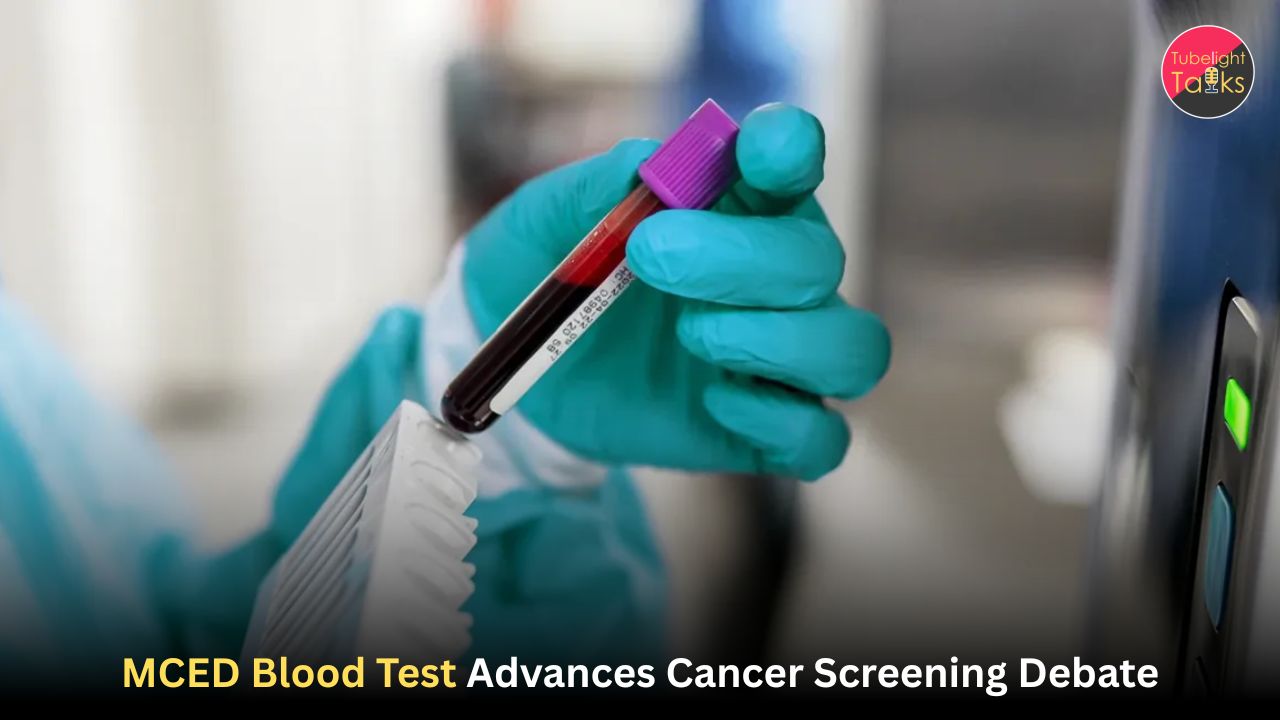
Multi-Cancer Early Detection Blood Test Moves Into Global Spotlight
Multi-Cancer Early Detection blood tests, including Galleri-style tests, are gaining attention because they aim to detect signals from many cancer types through a simple blood sample. The NHS-Galleri trial has enrolled more than 140,000 volunteers to evaluate whether such a test can help detect cancer earlier alongside existing screening methods.
How the MCED Test Works
The Galleri blood test looks for abnormal DNA signals circulating in blood. Cancer cells release DNA fragments, and the test analyses patterns that may indicate a cancer signal and its likely tissue of origin.
Why Early Detection Matters
Cancer treatment is often more successful when disease is found early. Many deadly cancers currently lack routine screening options, so a single blood test that detects multiple cancers could transform preventive healthcare.
Also Read: First-Ever Radiotherapy Cancer Patient Dosed: A Clinical Milestone
Trial Results Need Careful Interpretation
Although company releases have highlighted improvements in detection, independent medical coverage has noted that the NHS-Galleri trial raised questions and did not simply settle the matter. Experts stress that MCED tests should complement, not replace, standard screenings such as mammography, colonoscopy and cervical screening.
False Positives and False Negatives
No screening test is perfect. A false positive can lead to anxiety and unnecessary investigations, while a false negative can give false reassurance. This is why MCED testing requires strict protocols, confirmatory diagnostics and medical supervision.
Future of Cancer Screening
New Oxford-led work is also evaluating multi-cancer blood tests in GP practices for patients with vague symptoms, showing that research is moving beyond population screening into real-world primary care settings.
Health Science and Compassion
Scientific tools can reduce suffering when used responsibly. Sant Rampal Ji Maharaj teaches that service to humanity, truthfulness and compassion are essential values. Medical progress becomes meaningful when it is accessible, ethical and guided by concern for human life.
Call to Action
People should not self-diagnose based on headlines. Anyone concerned about cancer risk should consult a qualified doctor and continue recommended screenings.
FAQs
Q1. What is an MCED blood test?
It is a blood test designed to detect signals from multiple cancer types.
Q2. Can it detect over 50 cancers?
Galleri-style tests claim broad cancer signal detection, but clinical usefulness is still being evaluated.
Q3. Is it replacing normal cancer screening?
No, experts say it should complement existing screening.
Q4. What is the NHS-Galleri trial?
It is a large UK trial studying whether Galleri can help detect cancer earlier.
Q5. Should everyone take this test now?
People should consult doctors because eligibility, benefits and risks vary.
Related Stories









Discussion (0)