One Health Movement: Global Leaders Push Integrated Human, Animal and Environmental Health Action
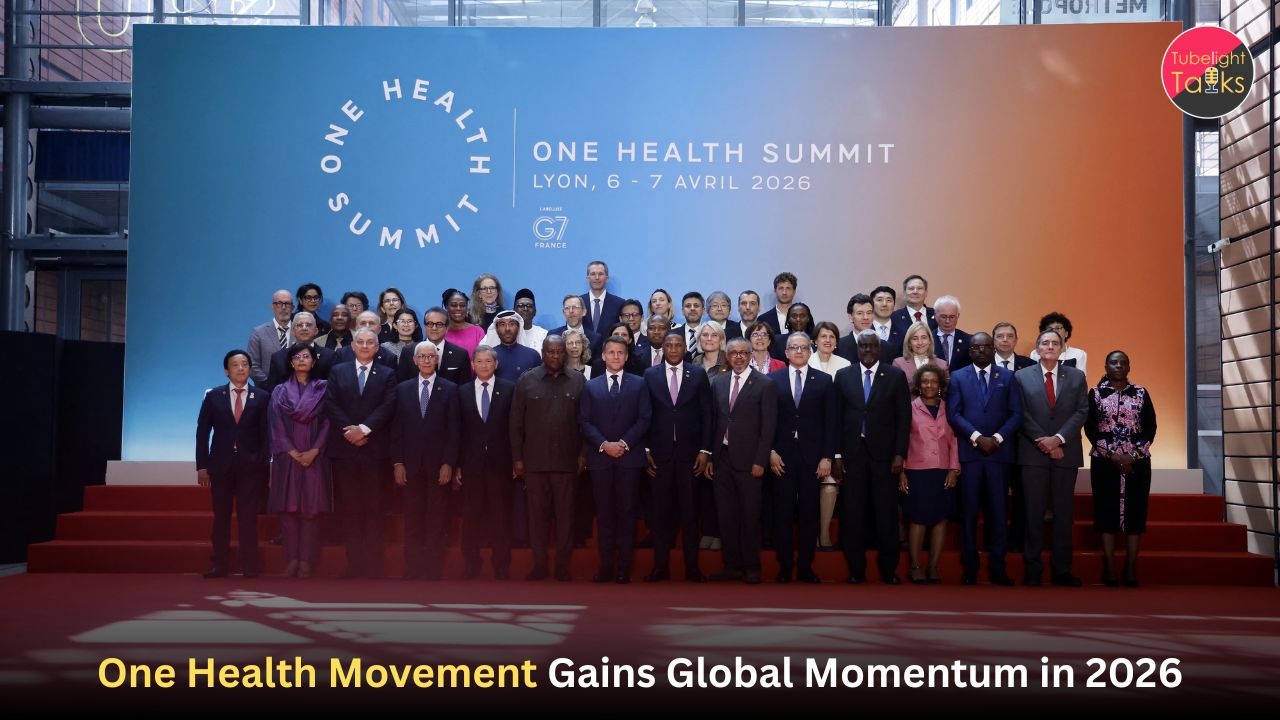
The One Health movement has gained strong global momentum in 2026 as governments, scientists and international institutions increasingly recognize the link between human, animal and environmental health. The specific claim that global healthcare leaders officially adopted a new “One Health charter” today could not be verified from reliable public sources. The verified development is that the One Health Summit in Lyon, France, and the Quadripartite partnership have pushed coordinated global action on One Health implementation, science, policy and financing.
What One Health Means
The World Health Organization defines One Health as an integrated, unifying approach that aims to sustainably balance and optimize the health of people, animals and ecosystems. It recognizes that humans, domestic and wild animals, plants and the wider environment are closely linked and interdependent.
Why One Health Matters Now
Pandemics, antimicrobial resistance, climate change, biodiversity loss, unsafe food systems and zoonotic diseases all show that health cannot be treated in separate compartments. A disease emerging in animals can threaten humans. Environmental degradation can increase disease risk. Antibiotic misuse in humans, animals and agriculture can fuel antimicrobial resistance.
Also Read: Robotic Surgery Expansion: AI-Enabled and Robotic Systems Strengthen Public Healthcare in India
One Health Summit 2026
WHO and France hosted the One Health Summit in April 2026, shifting the conversation from vision to action through high-impact initiatives. WHO said France reaffirmed its commitment to advancing One Health through international cooperation, scientific partnerships and practical solutions.
Quadripartite Push for Coordinated Action
The Quadripartite partnership—bringing together global institutions working across human, animal, plant and environmental health—highlighted the need for coordinated action on implementation, science, policy and financing. WHO stated that this partnership is important for driving fully integrated One Health action.
Caution on “Charter Adopted Today” Claim
No reliable official source was found confirming that a new global One Health charter was adopted specifically on May 1, 2026. Le Monde reported that the April 2026 One Health Summit produced pledges and commitments but lacked a clear strategic direction or landmark policy commitment. Therefore, it is more accurate to describe the movement as gaining momentum rather than claiming a newly adopted charter unless an official document is available.
One Health Is a Practical Necessity
The One Health approach is not only a theory. It can improve early warning systems, food safety, disease surveillance, antibiotic stewardship, wildlife monitoring and climate-health planning. When doctors, veterinarians, ecologists, farmers and policymakers work together, societies can detect threats earlier and prevent local problems from becoming global crises.
India’s Role in One Health
India’s diverse ecology, large livestock population, dense cities and agricultural systems make One Health especially important. A coordinated approach can support disease surveillance, animal health systems, environmental protection and rural health. India’s National One Health Mission describes One Health as a collaborative, multidisciplinary approach uniting human, animal and environmental health sectors.
Human Health Is Linked With Nature
The One Health approach recognizes that human health cannot be separated from animals, plants, and the environment. Pandemics, antimicrobial resistance, food safety issues, pollution, and climate-related diseases show that health systems must work across sectors. Doctors, veterinarians, environmental scientists, farmers, and policymakers must collaborate to prevent future crises.
Prevention Is Better Than Crisis Response
One Health is powerful because it focuses on early warning and prevention. Monitoring animal diseases, protecting ecosystems, using antibiotics responsibly, improving sanitation, and studying climate-health links can stop problems before they become emergencies. This approach can save lives, reduce costs, and build a healthier relationship between humanity and the planet.
Healing Humanity and Nature Together
The One Health idea teaches that human welfare is linked with animals, plants and the environment. Sant Rampal Ji Maharaj’s teachings also emphasize disciplined living, compassion and true worship based on scriptures. His official teachings state that worship should be done with the aim of attaining salvation, while worldly prosperity and good health are by-products of true worship.
Call to Action
Build One Health Systems
Governments should strengthen joint surveillance, animal health services, environmental monitoring and public health data sharing.
Act Locally for Global Health
Citizens can support One Health by reducing waste, avoiding misuse of antibiotics, protecting animals, maintaining hygiene and respecting ecosystems.
FAQs: One Health Movement Gains Global Momentum in 2026
1. What is One Health?
One Health is an integrated approach that links the health of people, animals and ecosystems.
2. Was a new global One Health charter adopted on May 1, 2026?
No reliable official source confirming a May 1 charter adoption was found.
3. What happened at the One Health Summit 2026?
The summit focused on moving One Health from vision to action through cooperation, science, policy and practical initiatives.
4. Why is One Health important?
It helps address pandemics, zoonotic diseases, antimicrobial resistance, environmental pollution and food-system risks.
5. Does India have a One Health framework?
India’s National One Health Mission describes One Health as a collaborative, multidisciplinary approach uniting human, animal and environmental health sectors.
Related Stories
![US Treasury Secretary Scott Bessent discussing foreign exchange and the Japanese Yen intervention.] | [Source: US Treasury Official Feed](https://tubelighttalks.com/wp-content/uploads/2026/08/Scott-300x169.webp)





Discussion (0)