Cold Wave & Fog Alerts Across India: What It Means & How to Stay Safe
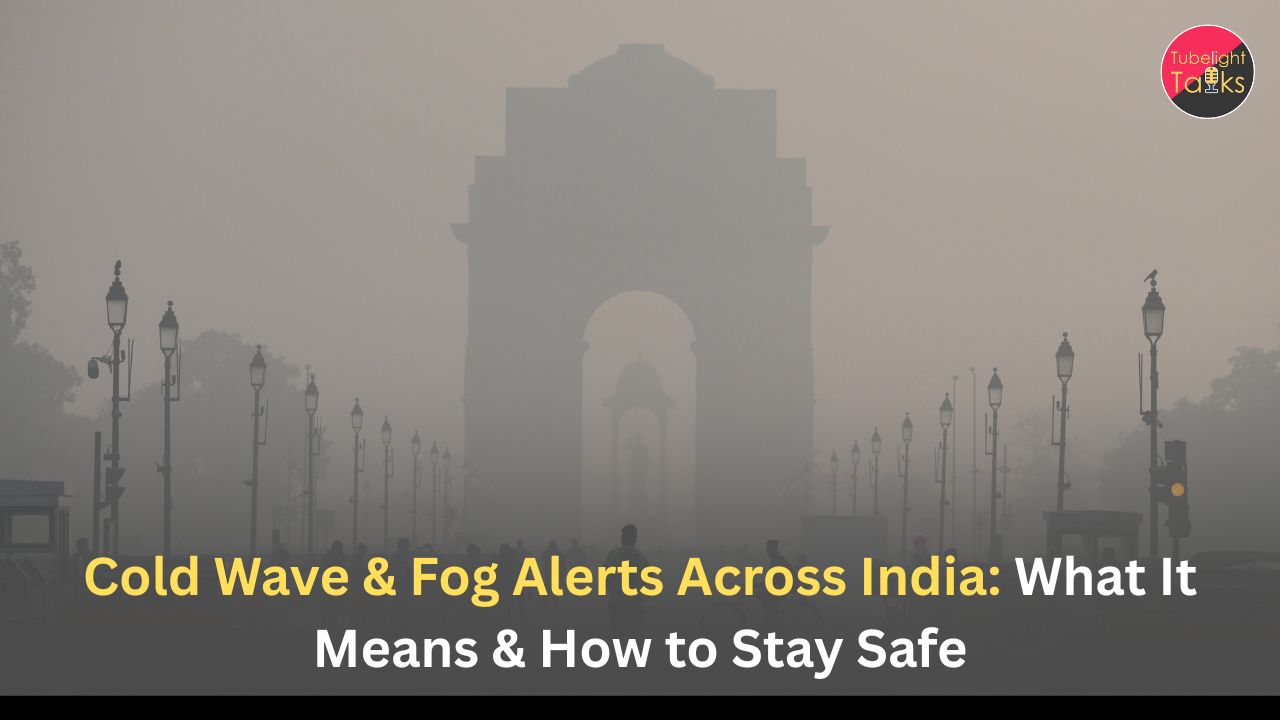
Cold Wave & Fog Alerts: As winter spreads across India, many regions are experiencing sharp dips in temperature, dense morning fog, and chilly winds — putting large parts of the population on alert. From central Maharashtra to northern states like Punjab, cold-wave conditions and reduced visibility due to fog are affecting daily life.
In this blog, we’ll explore what these alerts mean, which areas are most impacted, and how you can protect your health and daily routine. We’ll also share safety tips, the latest verified data, and a thoughtful connection to the wisdom of Satgyaan, giving you both practical guidance and spiritual insight.
What’s Happening: Cold Wave & Fog Alerts in India
According to the latest bulletin from the India Meteorological Department (IMD), cold-wave conditions are affecting isolated pockets in Punjab and West Madhya Pradesh, with forecasts for northern and north-western regions like Haryana and Rajasthan from late December.
Dense fog is prevailing in early mornings over parts of Himachal Pradesh, Odisha, and isolated northern areas, reducing visibility and impacting transport.
Weather experts link this cooling to ongoing La Niña conditions globally—a phenomenon known to enhance colder winters and fog in northern India
At the same time, dense fog is expected in scattered pockets across some states as temperatures drop, further reducing visibility and affecting transport.
Why Now? Climate Patterns & La Niña’s Influence
La Niña — the cooling phase of the ocean-atmosphere cycle known as ENSO — affects temperature and rainfall patterns worldwide. In India, La Niña often leads to cooler winters, frequent cold waves, and sometimes increased snowfall or frost in northern or hilly regions.
For 2025–26, many climate models predict a moderate La Niña, which means the winter chill could be stronger and more prolonged than usual.
As a result, night-time temperatures in many parts of northern, central and western India are well below normal — prompting IMD to issue cold-wave alerts and fog warnings.
Real-life Impacts: Health, Travel & Agriculture
Health Risks
Cold waves and fog bring with them health hazards. Sharp temperature drops, damp cold, and poor air circulation can trigger respiratory issues, hypothermia risks, and aggravate conditions like asthma or COPD.
Vulnerable populations — the elderly, children, or those with pre-existing ailments — are especially at risk. Reduced sunlight and prolonged cold also weaken immune responses, making people prone to infections.
Transport & Daily Life Disruptions
Fog reduces visibility drastically — which can lead to disruptions on roads, railways and at airports. Delays, cancellations, and accidents become more likely.
Morning commutes become harder and schools or workplaces may face delays or closures.
Agriculture & Crop Concerns
For farmers, cold waves and frost can harm sensitive crops, especially pulses and vegetables during growth phases.
Fog and reduced sunlight can hinder photosynthesis, affecting crop yield — especially during critical growth periods.
Also Read: Parliament Winter Session (Dec 1–19): The Bills, the Battles, and the Odds in a 15-Sitting Sprint
How You Can Stay Safe & Comfortable
- Dress in layers and stay warm — wear sweaters, shawls, scarves and keep vulnerable family members cosy.
- Avoid early-morning or late-night travel if fog is dense or visibility low.
- Use masks or air-filters if fog mixes with pollution — respiratory risks rise during cold waves.
- Keep homes warm and dry; ventilate properly but avoid exposing house interiors to biting winds.
- For farmers: Cover sensitive crops at night or use frost-protection methods; monitor forecasts and plan accordingly.
Spiritual Insight in Cold Times
The chill of winter reminds us that life, like weather, has seasons — times of warmth, growth, but also times of cold, struggle, and introspection. In the wisdom of Sant Rampal Ji Maharaj, we learn that external hardship is often an opportunity for internal strengthening. As he teaches, True wisdom emerges when one remains cool-headed even when life’s winds blow harshly.
In this spirit, winter’s cold can become a chance to cultivate inner warmth — kindness, compassion and mindful living. Let the cold outside remind us to light the warmth of empathy and positive deeds within.
FAQs
Q1. What exactly is a “cold wave”?
A cold wave is when air temperatures near the surface drop sharply — often many degrees below normal — sometimes accompanied by frost, fog or icy winds.
Q2. Which parts of India are most affected by the current cold-wave & fog warnings?
Primarily the northern and north-western India.
Q3. How does fog make winter more dangerous than just cold weather?
Fog reduces visibility drastically, making travel risky. It also traps cold air and dampness — aggravating respiratory problems, and making cold feel more biting.
Q4. Are cold waves harmful to agriculture?
Yes — especially for frost-sensitive crops, pulses, or vegetables. Cold and fog reduce sunlight, affect photosynthesis, and frost can damage young plants.
Q5. How can I protect my elderly or young children during cold waves?
Keep them warm, limit exposure to cold winds or fog, ensure good indoor heating or insulation, maintain healthy diet & hydration, and avoid unnecessary outdoor trips when temperature dips sharply.
Related Stories






Discussion (0)