Global Policy: Greece Announces Under-15 Social Media Ban
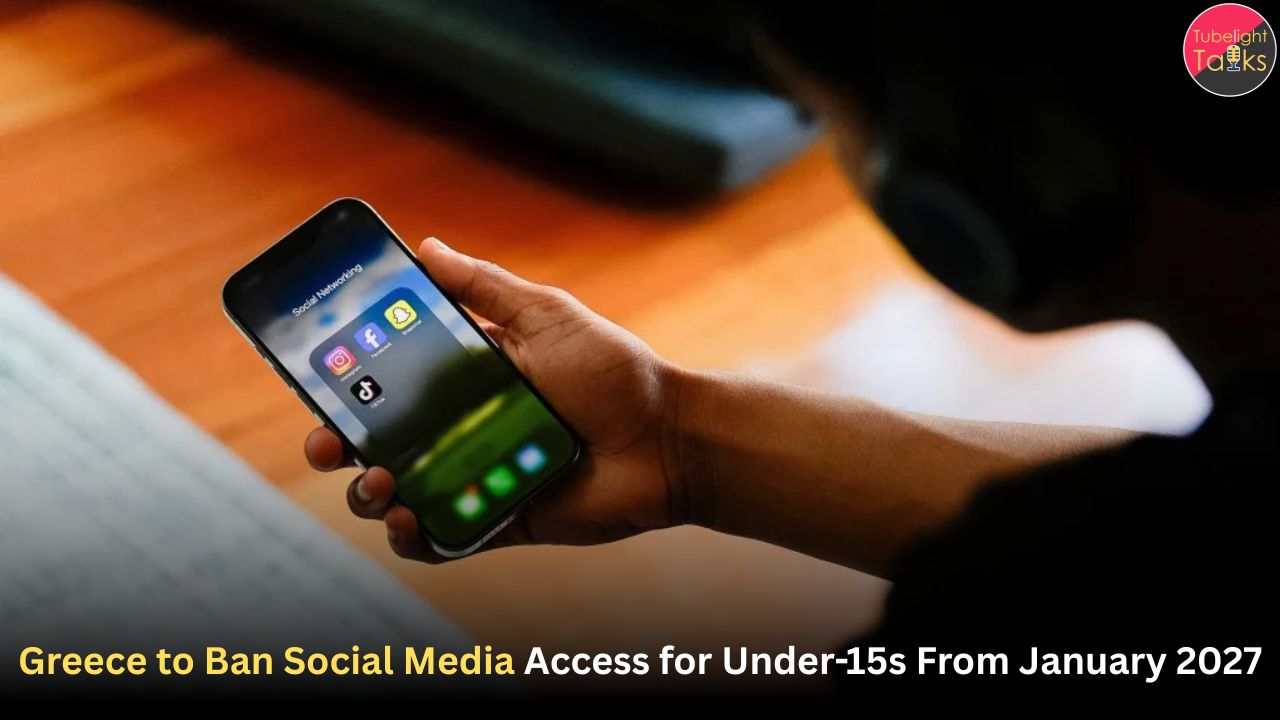
Greece to Ban Social Media: Greece has announced that children under the age of 15 will be banned from accessing social media from January 1, 2027, in a move driven by concerns over anxiety, sleep loss and addictive online behaviour. Reuters reported that Prime Minister Kyriakos Mitsotakis said the policy would be backed by legislation in mid-2026 and tied to a broader push for EU-level standards on age verification and digital child protection.
Why Greece is taking this step
The policy reflects a growing international trend in which governments are no longer content to rely only on parental controls or platform promises. Reuters noted that Greece had already banned mobile phones in schools and that public opinion strongly supported stronger action. The new measure is also intended to put pressure on platforms to adopt reliable age-verification tools under wider EU rules.
Also Read: Digital Detox: Why Indian Youth Are Leaving Social Media in 2026
The bigger global debate
This is not only about one country. It raises a broader question: who should regulate childhood in the digital era—parents, platforms or governments? Supporters say young minds need protection. Critics worry about enforcement and overreach. Either way, Greece has pushed the debate forward in a concrete way.
Greece’s Move Reflects a Global Shift in Digital Governance
Greece’s decision to ban social media access for children under 15 reflects a broader international rethink about the relationship between technology and childhood. Governments in different parts of the world are beginning to question whether platform self-regulation is enough to protect young users from anxiety, addictive design and harmful content exposure.
By setting a firm implementation date, Greece has turned a social concern into a concrete policy debate, one that will likely influence conversations across Europe and beyond.
The Real Challenge Will Be Enforcement and Balance
While the announcement is bold, its success will depend on how the ban is implemented. Age verification, privacy protection, parental rights and platform accountability are all likely to become contentious issues as the law moves toward enforcement. Supporters argue that early intervention is necessary to protect mental health and sleep patterns in children.
Critics, however, may question whether a ban alone can solve deeper behavioural and social problems. The coming debate will likely focus on how to protect minors without creating ineffective or overly intrusive systems.
Attention, mental peace and Sat Gyaan
A distracted mind struggles to stay peaceful. Sant Rampal Ji Maharaj teaches that uncontrolled attachment and mental agitation pull a person away from clarity. While technology has benefits, boundaries are essential. The deeper issue is not only screen time; it is whether human attention is being used wisely.
Call to Action
Parents, educators and policymakers should encourage digital discipline, healthy sleep and meaningful real-world connection. Strong minds need strong boundaries.
FAQs: Greece to Ban Social Media Access for Under-15s From January 2027
Q1. When will Greece’s ban start?
It is planned to take effect on January 1, 2027.
Q2. What age group is covered?
Children under 15.
Q3. Why is Greece doing this?
Because of concerns about anxiety, sleep disruption and addictive use.
Related Stories









Discussion (0)