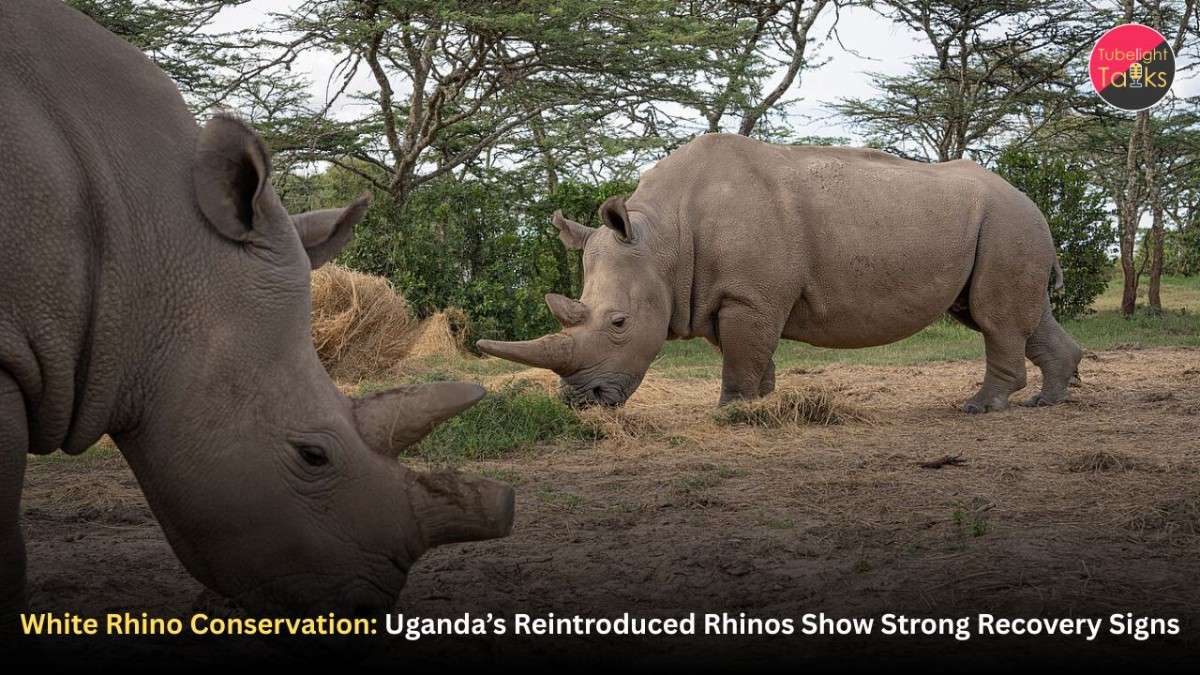
White Rhino Conservation: Uganda’s Reintroduced Rhinos Signal a New Era of Wildlife Recovery
Uganda’s white rhino conservation programme has reached a hopeful new phase as southern white rhinos reintroduced to Kidepo Valley National Park show early signs of successful adjustment under close protection and monitoring. Rhinos disappeared from Uganda’s wild landscapes in 1983 after years of poaching and political instability. More than four decades later, the return of rhinos to Kidepo marks a historic conservation moment.
The broader national recovery is also encouraging: Uganda’s southern white rhino population has grown from a small founder group at Ziwa Rhino Sanctuary to more than 60 animals. While the first reintroduced Kidepo population is still being carefully monitored, conservationists describe the trend as a major step toward restoring a lost species.
White Rhino Conservation in Uganda: Why This Moment Is Historic
From Local Extinction to Reintroduction
Uganda once had both northern white rhinos and eastern black rhinos in the wild. By the early 1980s, however, uncontrolled poaching, civil unrest and weak protection systems had wiped out rhinos from the country’s wild habitats. The last free-ranging rhinos in Uganda were gone by 1983.
For decades, the return of rhinos seemed unlikely. Reintroduction requires more than moving animals from one place to another. It requires secure habitat, trained rangers, veterinary planning, community engagement, fencing where needed, monitoring systems, transport logistics, anti-poaching protection and long-term funding.
That is why the 2026 reintroduction of southern white rhinos into Kidepo Valley National Park is so meaningful. It marks the return of a species to a landscape where it had been absent for 43 years.
Kidepo Valley National Park Becomes a New Rhino Landscape
Kidepo Valley National Park, located in northeastern Uganda, is one of the country’s most striking savannah ecosystems. Its open grasslands, remote setting and ecological richness make it suitable for large herbivores. The reintroduction of southern white rhinos restores an important grazing species and adds ecological depth to the park.
The initial phase involved rhinos moved from Ziwa Rhino and Wildlife Ranch, where Uganda’s modern rhino breeding success began. More animals are expected to be introduced in carefully managed phases to build a viable population. The long-term aim is not only symbolic return but ecological restoration.
Also Read: White Rhino Reintroduction: Uganda Restores Southern White Rhinos to Kidepo Valley
Ziwa Rhino Sanctuary: The Foundation of Uganda’s Rhino Comeback
A Breeding Programme That Changed the Future
The modern recovery of Uganda’s rhinos began with the establishment of a breeding programme at Ziwa Rhino Sanctuary in the mid-2000s. The sanctuary started with only a small founder population. Through protection, veterinary care, managed breeding and security, the population grew steadily.
This growth made reintroduction possible. Without Ziwa, Uganda would not have had a domestic source population strong enough to support release into wider protected areas.
Population Growth Shows Conservation Success
Uganda’s southern white rhino population has reportedly grown from 43 to 61 animals under sustained breeding and protection management. This increase is important because rhinos reproduce slowly. Female white rhinos have long pregnancies and calves need years of care before maturity. Therefore, every calf born is a major conservation gain.
The growth also proves that rhino recovery is possible when protection is consistent. Poaching can destroy a population rapidly, but rebuilding takes patience, discipline and decades of effort.
Are the Reintroduced Rhinos Thriving?
Early Monitoring Shows Positive Adjustment
The newly reintroduced rhinos in Kidepo are still in the early stage of release, so scientists and wildlife authorities are cautious. “Thriving” in conservation terms must be measured through behaviour, feeding, movement, stress levels, health checks, body condition, security and adaptation to habitat.
Early reports from the reintroduction indicate that the animals are under close monitoring and are adjusting to their new environment. Conservationists are watching feeding behaviour, movement patterns, interaction with habitat, veterinary health and security conditions.
Calves and Health Markers
The strongest available evidence of Uganda’s rhino recovery comes from the broader Ziwa breeding population, where wild-born calves have helped the national herd grow. Healthy calves are a powerful sign that the breeding programme is working. Good calf health markers generally include weight gain, feeding, normal movement, maternal bonding, disease-free status and survival.
For the newly reintroduced Kidepo population, it is too early to claim a large generation of wild-born calves inside the park. The more accurate picture is that Uganda’s established rhino breeding programme has produced healthy calves, and the Kidepo translocation is now extending that success into a new protected landscape.
Why Southern White Rhinos Matter Ecologically
Grazers That Shape Grasslands
White rhinos are large grazers. They feed mainly on grasses and can shape savannah ecosystems through their grazing patterns. By trimming grasses, moving nutrients and creating pathways, rhinos influence habitat structure and support broader ecological balance.
Their presence benefits more than their own species. Large herbivores can affect insects, birds, smaller mammals, plant diversity and predator-prey dynamics. Restoring rhinos therefore helps restore ecological processes.
Tourism and Conservation Economy
Rhinos also strengthen wildlife tourism. Uganda is famous for gorillas, chimpanzees, birds and savannah wildlife. A growing rhino population adds another major attraction. Tourism revenue can support conservation, jobs, local businesses, park management and community development.
However, tourism must be controlled carefully. Rhino habitats need protection from disturbance, and security must remain the priority. Visitors should support conservation without creating pressure on the animals.
Poaching: The Threat That Cannot Be Ignored
Rhino Horn Demand Remains Dangerous
The global demand for rhino horn remains one of the biggest threats to rhino survival. Rhino horn is falsely valued in some illegal markets for traditional status, medicine or luxury use, even though it is made of keratin, the same basic protein found in human hair and nails.
Poachers often use sophisticated networks, weapons and trafficking routes. A single security failure can cost a rhino’s life. Therefore, Uganda’s recovery must be protected with constant vigilance.
Ranger Protection and Monitoring
Effective rhino conservation depends heavily on trained rangers. Rangers track rhino movement, watch for suspicious activity, maintain fences or boundaries, support veterinary teams and protect animals from poachers.
Modern monitoring may include GPS systems, patrol data, drones, radio communication, camera traps and veterinary records. But technology alone is not enough. Ranger motivation, community trust and secure funding are equally important.
Community Support Is Essential
Local People Must Benefit
Rhino conservation cannot succeed if nearby communities feel excluded or harmed. People living around protected areas may face crop damage, restricted access to land, livestock concerns or limited economic opportunities. Conservation must therefore include local benefits.
These may include jobs, tourism revenue sharing, education programmes, community development, support for schools and clinics, training, small businesses and conservation-linked livelihoods.
Reducing Conflict and Building Pride
When communities see rhinos as a shared national treasure, protection becomes stronger. Conservation education can help children and youth understand why rhinos matter. Local guides, rangers, hospitality workers and community groups can become proud partners in the recovery effort.
A species once lost to Uganda can become a symbol of national renewal.
Also Read: Kuno’s New Litter Marks a Powerful New Phase for Project Cheetah
Why Uganda’s Rhino Recovery Inspires Africa
A Model of Long-Term Commitment
Uganda’s rhino comeback shows that species recovery requires long-term planning. The process began years before the Kidepo reintroduction. It involved breeding, security, institutional cooperation, international partners, habitat planning and political will.
Other countries facing wildlife loss can learn from this model. Recovery is possible, but it must be patient, science-based and protected from short-term thinking.
Conservation Beyond One Park
The long-term goal should be multiple secure rhino populations across suitable protected areas. A single population is vulnerable to disease, poaching, political instability or ecological shocks. Spreading rhinos across carefully chosen landscapes improves resilience.
Kidepo may become one step in a wider national rhino restoration strategy.
Challenges Ahead
Genetic Diversity
A growing population must maintain genetic health. If a population begins from too few founders, inbreeding can become a concern. Conservation managers may need to exchange animals with other populations or introduce new genetics under scientific supervision.
Habitat Capacity
Rhinos need enough space, food, water and safety. As numbers grow, managers must assess carrying capacity and avoid overcrowding. Good habitat management is essential for long-term health.
Funding and Political Stability
Rhino conservation is expensive. It requires rangers, vehicles, veterinary teams, infrastructure, monitoring and intelligence networks. Funding must remain consistent even when media attention fades.
Climate Pressure
Climate change can affect water availability, grasslands, disease risk and habitat quality. Conservation plans must include climate resilience to protect rhinos in the future.
Compassion for Wildlife and Spiritual Responsibility
The return of white rhinos to Uganda reminds humanity that what is destroyed by greed can be restored only through patience, protection and responsibility. The teachings of Sant Rampal Ji Maharaj and Sat Gyaan emphasize compassion, truth, humility, righteous conduct and true worship according to holy scriptures. His teachings guide people away from violence, intoxication, corruption, dishonesty, greed and harmful actions.
In the context of wildlife conservation, this message is deeply meaningful. Poaching is driven by greed and ignorance, while conservation is driven by care and responsibility. Sat Gyaan teaches that every living being exists within the divine order of creation, and human beings must not act arrogantly toward nature. A society becomes truly civilized when it protects vulnerable life, rejects cruelty and follows the path of truth and compassion.
FAQs on White Rhino Conservation in Uganda
1. Why is Uganda’s white rhino reintroduction important?
It is important because rhinos disappeared from Uganda’s wild habitats in 1983. Their return to Kidepo Valley National Park after more than four decades marks a major conservation milestone.
2. Where were the reintroduced rhinos moved from?
The first reintroduced rhinos were moved from Ziwa Rhino and Wildlife Ranch, which has been central to Uganda’s southern white rhino breeding and recovery programme.
3. Are the reintroduced rhinos thriving?
Early monitoring indicates that the animals are adjusting under close protection. Uganda’s wider southern white rhino population has also grown strongly, showing positive recovery, though the new Kidepo population is still in its early stage.
4. How many southern white rhinos does Uganda have?
Recent official reporting indicates that Uganda’s southern white rhino population has increased from 43 to 61 under sustained breeding and protection management.
5. What threats do rhinos still face?
The biggest threats include poaching, illegal wildlife trade, habitat pressure, genetic limitations, funding shortages and security challenges in remote areas.
6. How does rhino conservation help local communities?
Rhino conservation can support tourism, create jobs, improve park revenue, strengthen local pride and fund community development when benefits are shared fairly.
Related Stories






Discussion (0)