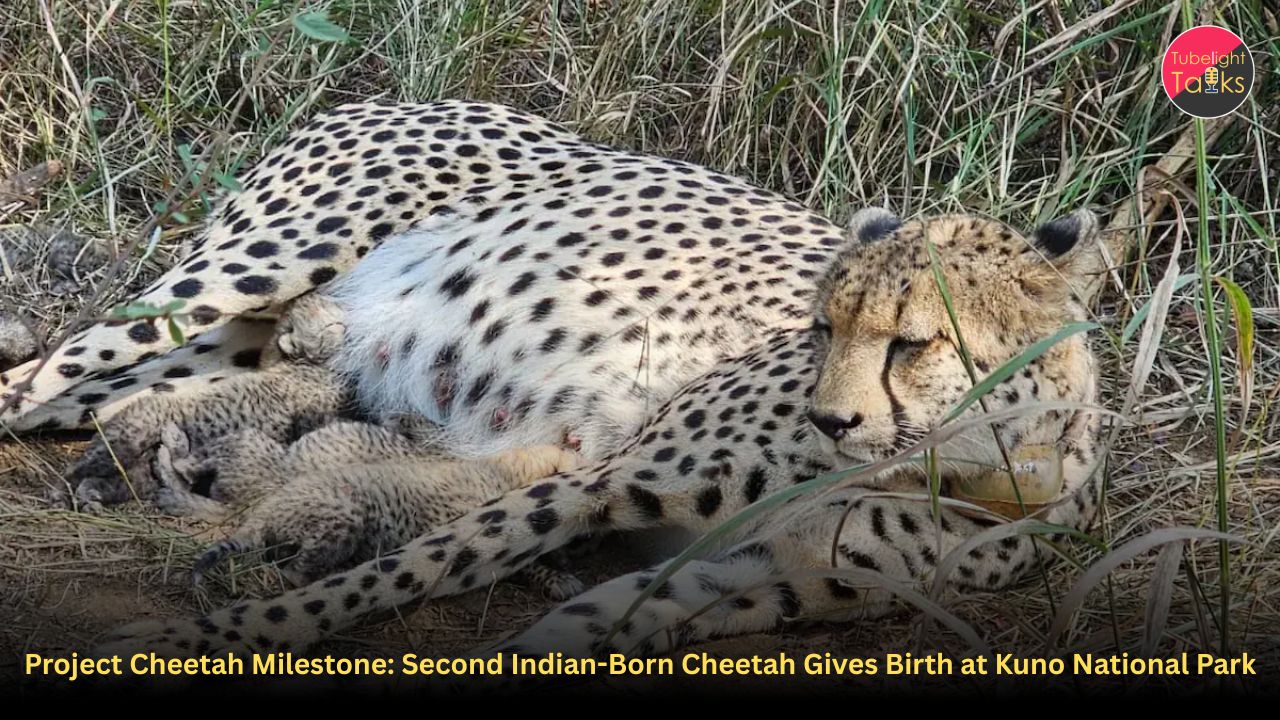
Kuno’s New Litter Marks a Powerful New Phase for Project Cheetah
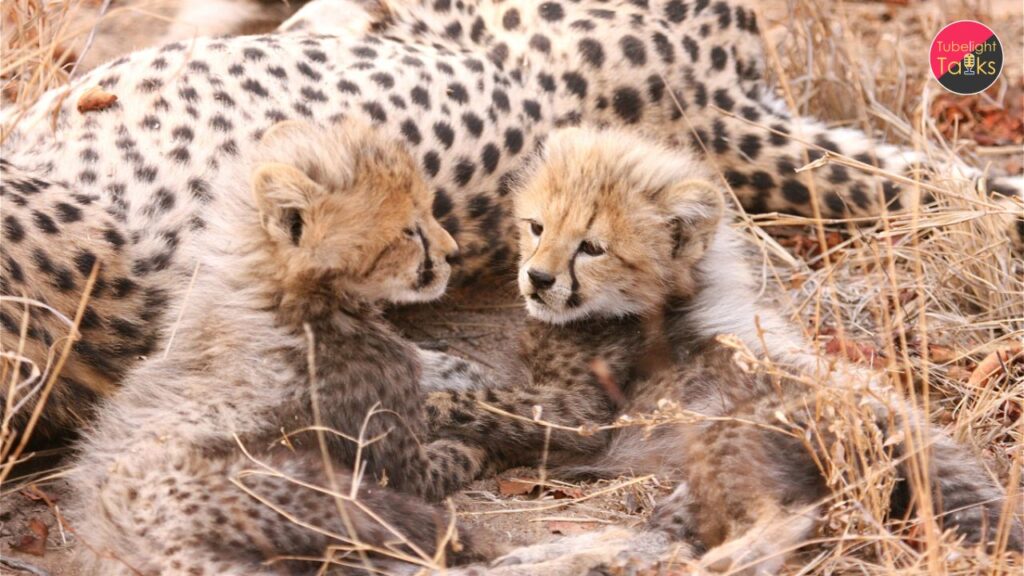
Project Cheetah has crossed another important threshold with the birth of four cubs to an Indian-born female cheetah at Kuno National Park in Madhya Pradesh. A PIB release said the mother is an Indian-born female from Gamini’s line, aged 25 months, and described the development as a historic moment in India’s cheetah conservation journey.
Additional reporting clarified why the event matters so much: it is the second consecutive breeding event involving a cheetah born on Indian soil, following Mukhi’s earlier litter in November 2025, and it is also being treated as the first recorded wild birth by an Indian-born female raised in the wild.
Why This Birth Is More Important Than a Headline Number
Wildlife conservation succeeds not when an animal is merely transported, but when it survives, adapts, breeds, and establishes lineage in a living landscape. That is why this litter matters so much. Project Cheetah began with high ambition and intense scrutiny after the reintroduction of cheetahs to India in 2022.
Since then, every death, relocation, mating, and birth has been watched as evidence either for or against the project’s long-term viability. The new litter changes the conversation because it points to ecological continuity rather than only managed survival.
Also Read: Great Indian Bustard Chick Born in Kutch: Conservation Gets a Rare Boost After 10 Years
The Meaning of “Second Indian-Born Cheetah Gives Birth”
The user’s framing is broadly supported by current reporting, but the nuance matters. Indian Express reported that this is the second India-born cheetah to produce young at Kuno after Mukhi did so in November 2025.
Hindustan Times added that this birth is especially significant because Mukhi’s earlier litter was in an enclosure, while this new case is being described as the first time an Indian-born female raised in the wild has given birth outside an enclosure. That means the milestone is both reproductive and behavioral: it suggests not just survival, but freer ecological adjustment.
Why Kuno Needed This Moment
Project Cheetah has faced pressure ever since its launch—some scientific, some political, some emotional. Supporters argued it would restore a missing predator and elevate India’s conservation ambition. Critics questioned habitat suitability, management pressures, and mortality risks. In such a contested project, breeding milestones do more than boost morale.
They help answer the central biological question: can the reintroduced population begin to sustain itself? Every successful litter from an India-born female strengthens the argument that the project is moving beyond symbolic rewilding into genuine demographic establishment.
What the Government Has Said
PIB quoted Union Environment Minister Bhupender Yadav hailing the litter as a major milestone in India’s cheetah conservation journey. The release explicitly described the development as a historic moment and linked it to the broader progress of the reintroduction programme. Government recognition matters here because Project Cheetah is a flagship conservation initiative, and official messaging often shapes public perception of whether the project is seen as fragile experimentation or growing success.
From Imported Founders to Indian Lineages
Conservation projects mature when the story stops being only about relocated founders and starts being about lineages born into the new environment. This is why the identity of the mother matters so much. An Indian-born female giving birth indicates that the project is entering a second-generation stage. That does not mean all long-term challenges are solved. Habitat, prey base, dispersal management, veterinary response, and human-wildlife interface will all remain crucial. But it does mean the narrative is shifting from introduction to establishment.
The Population Effect
Current reporting indicates that the new litter pushes India’s cheetah count higher, with some reports placing the total at 57. Numbers alone do not tell the full story, but they do matter in a founding population. Small populations need successful breeding to offset mortality and maintain genetic and demographic momentum. For conservation managers, every healthy cub expands not just population size but future planning options.
What Still Needs Caution
Celebration should not become complacency. Reintroduction projects are rarely linear. Early success can still be followed by setbacks related to disease, territorial conflict, cub survival, heat stress, or movement beyond protected boundaries. The correct reading of the new litter is not that Project Cheetah’s difficult questions are over. It is that the project now has stronger evidence in its favor than before. Good conservation combines optimism with discipline, not triumphalism.
A Lesson in Renewal Through Care
Nature responds to sustained care, patience, and right stewardship. Sant Rampal Ji Maharaj’s teachings often link righteous living with harmony, responsibility, and protection of life. That spiritual lens adds depth to conservation work: restoring species is not only a scientific effort, but also a moral reminder that human progress should not come at the cost of the living world. When protection is sincere, renewal becomes possible.
Call to Action
Milestones deserve celebration, but lasting success depends on long-term habitat management, transparent science, and continued public support for wildlife protection.
FAQs: Project Cheetah Milestone: Second Indian-Born Cheetah Gives Birth at Kuno National Park
1. What happened at Kuno National Park?
An Indian-born female cheetah gave birth to four cubs at Kuno National Park.
2. Why is this such a big milestone?
Because it is the second consecutive breeding event involving a cheetah born on Indian soil, and a major sign of Project Cheetah’s progress.
3. Is this the first such birth in the wild?
Current reporting indicates it is the first recorded wild birth by an Indian-born female raised in the wild, while an earlier India-born female, Mukhi, had already given birth in an enclosure.
4. What did the government say?
PIB quoted Union Minister Bhupender Yadav calling it a historic moment in India’s cheetah conservation journey.
5. Does this mean Project Cheetah is fully secure now?
No. It is a major success signal, but long-term ecological and management challenges still remain.
Related Stories









Discussion (0)