White Rhino Reintroduction: Uganda Restores Southern White Rhinos to Kidepo Valley
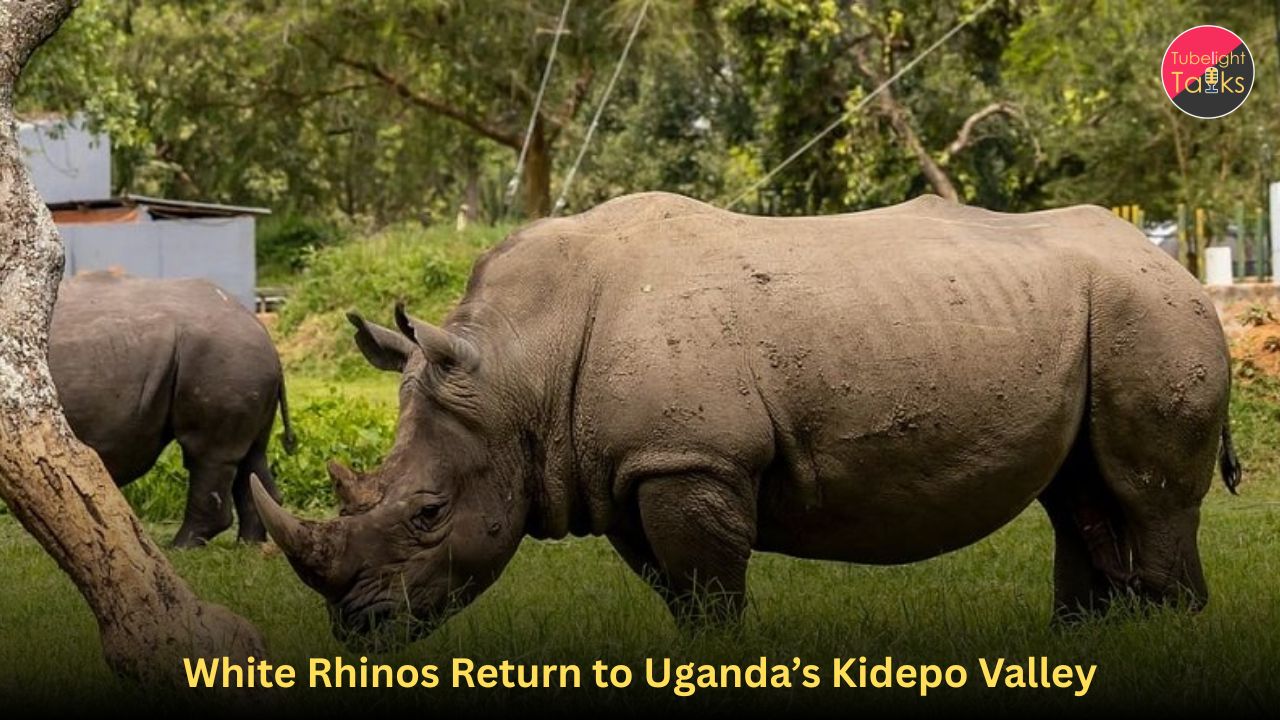
Uganda’s conservation journey has taken a historic step with the return of southern white rhinos to Kidepo Valley National Park after more than four decades. The Uganda Wildlife Authority announced on March 17, 2026, that it had commenced the reintroduction of rhinos to Kidepo Valley, marking the return of the species 43 years after the last rhino was sighted in the area. The first rhinos were moved from Ziwa Rhino Sanctuary, and a total of eight rhinos are planned for the park.
A Species Returns to Its Historic Landscape
Rhinos once roamed widely across the Kidepo Valley ecosystem. However, poaching and insecurity in the late 1970s and early 1980s wiped them out from the area. UWA states that the last rhino in Kidepo Valley National Park was killed in Narus Valley in 1983, ending their presence in the park for more than four decades.
The Reintroduction Plan
The Uganda Wildlife Authority began the reintroduction by flagging off the first two southern white rhinos from Ziwa Rhino Sanctuary to Kidepo Valley National Park. UWA Executive Director Dr. James Musinguzi called the exercise a major milestone in Uganda’s conservation journey and said a total of eight rhinos will be taken to the park.
Habitat and Security Preparation
Kidepo was selected after a feasibility study assessed habitat suitability, ecological requirements and security conditions. Preparations include perimeter fencing, access roads, firebreaks, ranger facilities, water infrastructure and monitoring systems to protect the rhinos and support their adaptation.
Calf Birth Claim Needs Confirmation
The topic mentions the birth of the first white rhino calf in Uganda’s wild since reintroduction. I could not verify this specific calf-birth claim through official UWA or other reliable public sources. The verified positive story is the historic reintroduction of southern white rhinos to Kidepo Valley after 43 years, with the rhinos initially placed in a secure sanctuary and monitored by rangers and veterinary teams.
Conservation Partnerships
The reintroduction is supported by conservation partners including Wild Landscapes East Africa, Northern Rangelands Trust and Uganda Conservation Foundation. Their role includes sanctuary development, infrastructure preparation, equipment support and logistical planning.
Reintroduction Is Only the Beginning
Bringing rhinos back to Kidepo is a major achievement, but long-term success depends on adaptation, breeding, anti-poaching protection and habitat stability. Conservation does not end when animals are released; it begins there. Rangers, veterinary experts, communities and conservation partners must continue monitoring the rhinos so that the population becomes healthy, secure and self-sustaining.
Community Support Makes Conservation Stronger
Wildlife conservation works best when local communities see value in protecting animals. Eco-tourism, employment, education and community awareness can make people active partners in rhino protection. If the return of rhinos brings pride, jobs and tourism benefits to the region, it can create a stronger social shield against poaching and habitat destruction.
A New Life Signals Conservation Hope
The birth of a white rhino calf after reintroduction would be a powerful sign that conservation efforts are moving in the right direction. Reintroducing animals is only the first step; true success comes when they adapt, survive, and reproduce in the wild. A newborn calf symbolizes ecological healing and gives conservationists confidence that restored habitats can once again support endangered species.
Protecting Wildlife Requires Long-Term Commitment
Rhino conservation needs strict anti-poaching measures, habitat protection, veterinary care, community involvement, and continuous monitoring. A single successful reintroduction can fail without long-term protection. Local communities must also benefit from conservation through tourism, employment, and awareness so that wildlife protection becomes a shared responsibility rather than only a government programme.
Protecting Creation With Compassion
The return of rhinos reminds humanity that every creature has value in nature’s balance. Sant Rampal Ji Maharaj’s teachings emphasize compassion, non-violence and righteous living based on true spiritual knowledge. His official teachings guide people toward scripture-based worship and moral conduct, reminding us that human life should protect—not destroy—God’s creation.
Call to Action
Support Long-Term Wildlife Protection
Rhino reintroduction needs continued anti-poaching patrols, habitat management, veterinary care and local community participation.
Share Verified Conservation Updates
Positive wildlife news should be celebrated, but claims such as calf births should be shared only after official confirmation.
FAQs: White Rhinos Return to Uganda’s Kidepo Valley
1. Where were white rhinos reintroduced in Uganda?
They were reintroduced to Kidepo Valley National Park.
2. How long had rhinos been absent from Kidepo?
Rhinos had been absent for 43 years after the last rhino was killed in 1983.
3. Where did the reintroduced rhinos come from?
The first rhinos were moved from Ziwa Rhino Sanctuary.
4. How many rhinos will be taken to Kidepo?
UWA said a total of eight rhinos will be taken to the park.
5. Was the white rhino calf birth officially verified?
No reliable official source confirming the specific calf-birth claim was found.
Related Stories









Discussion (0)