India Firmly Rejects Nepal’s Claim Over Lipulekh Route Amid Renewed Border Sensitivities
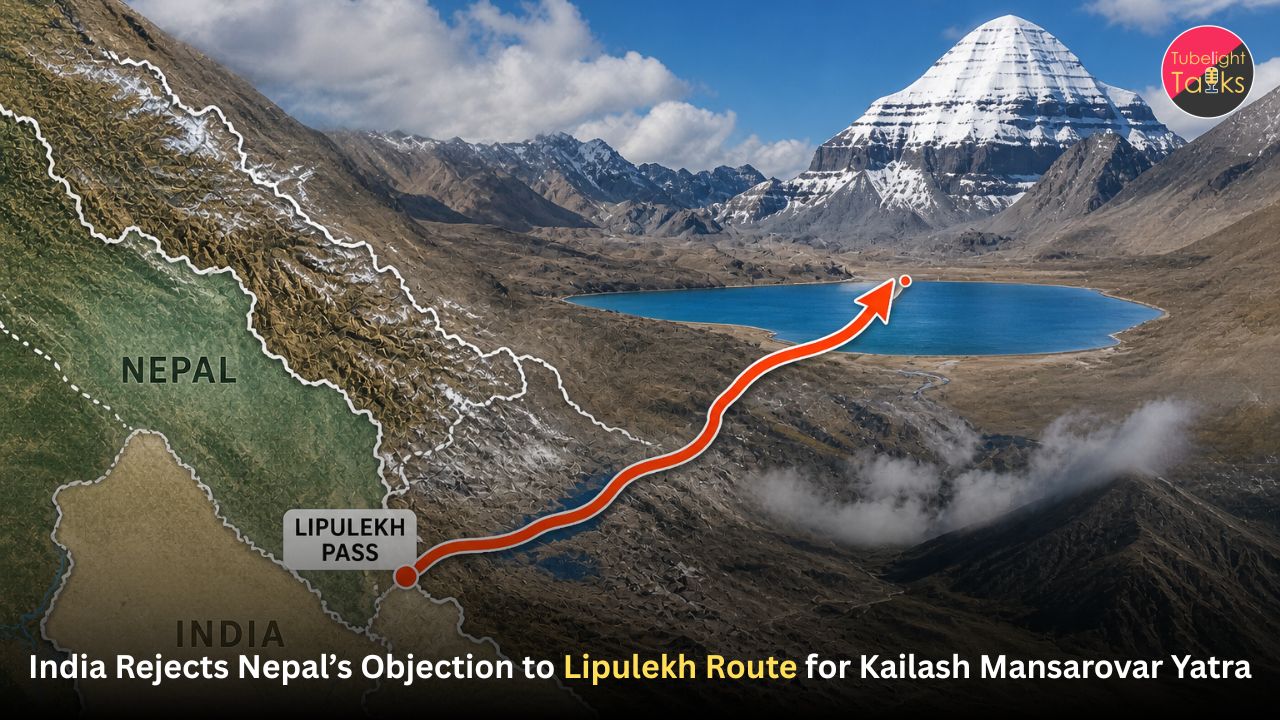
A new phase of diplomatic tension has surfaced between India and Nepal as New Delhi firmly rejected Kathmandu’s objection to the use of the Lipulekh Pass route for the Kailash Mansarovar Yatra. India termed Nepal’s claim “untenable,” reiterating that the route lies within its established territorial framework. The development has brought renewed focus on long-standing border sensitivities between the two neighbors, which share deep cultural, religious, and economic ties despite periodic disagreements over territorial boundaries.
Strategic and Religious Importance of Lipulekh
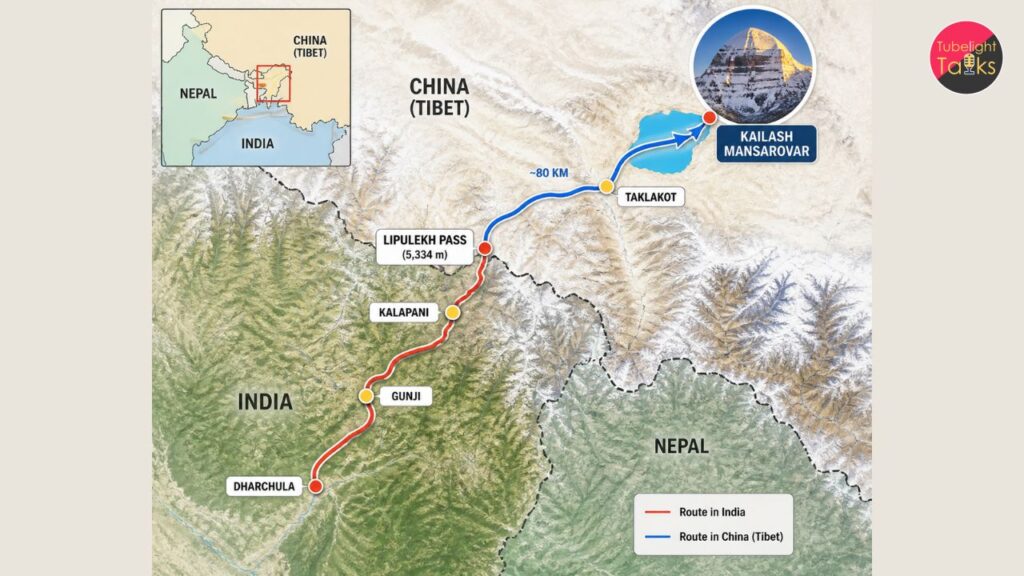
The Lipulekh Pass is not only a strategically significant high-altitude route but also holds immense religious importance as one of the key access points for the Kailash Mansarovar pilgrimage. Every year, thousands of pilgrims rely on this route to undertake the sacred journey. The dual importance – strategic and spiritual – makes the issue particularly sensitive, as it intersects with both national security concerns and religious sentiments.
India’s Position and Diplomatic Clarity
India has consistently maintained that the Lipulekh Pass lies within its territory, based on historical agreements and administrative control. By rejecting Nepal’s objection, New Delhi has signaled its unwillingness to revisit established positions, especially in matters involving sovereignty and territorial integrity. The firm language used in the response reflects India’s broader diplomatic approach in dealing with border-related claims.
Nepal’s Objection and Domestic Context
Nepal’s objection is rooted in its long-standing claim over certain border areas, including Lipulekh. Such assertions often gain prominence within Nepal’s domestic political discourse, especially during periods of heightened national sentiment. The current objection may therefore be influenced not only by diplomatic considerations but also by internal political dynamics.
Also Read: Kailash Mansarovar Yatra 2026: MEA Announces Sacred Pilgrimage from June to August
Impact on Bilateral Relations
While India and Nepal share historically strong ties, issues like these have the potential to create friction if not managed carefully. Both countries have mechanisms for dialogue and dispute resolution, and maintaining communication channels will be essential in preventing escalation. The challenge lies in addressing differences without affecting the broader relationship.
Need for Diplomatic Engagement
Experts emphasize that sustained diplomatic engagement is the only viable path forward. Joint boundary commissions and dialogue platforms have previously played a role in managing such disputes, and their continued use will be crucial in maintaining stability.
Historical Context of India–Nepal Border Understanding
The India–Nepal border has historically been governed by treaties and mutual understanding, most notably the 1816 Treaty of Sugauli. Over time, interpretations of these agreements have led to differing claims over certain areas, including Lipulekh, Kalapani, and Limpiyadhura. While both countries have maintained largely peaceful relations, these disputes periodically resurface, often influenced by domestic political narratives.
The current disagreement over the Lipulekh route must therefore be viewed within this broader historical framework, where legal interpretations, cartographic claims, and administrative control intersect in complex ways.
Balancing Strategic Interests with Cultural Ties
Despite the territorial disagreement, India and Nepal share deep-rooted cultural, religious, and economic ties that continue to bind the two nations closely. Millions of people travel freely across the open border every year, and religious pilgrimages like the Kailash Mansarovar Yatra carry emotional significance for citizens of both countries.
Managing such disputes requires a careful balance – ensuring national interests are protected while preserving the long-standing relationship built on trust and shared heritage. Diplomatic maturity will be crucial in ensuring that isolated disagreements do not overshadow the broader partnership.
FAQs: India Rejects Nepal’s Objection to Lipulekh Route
1. What is the Lipulekh Pass dispute?
It is a territorial disagreement where Nepal claims the Lipulekh area, while India maintains it lies within its boundaries.
2. Why did Nepal object to the Yatra route?
Nepal believes the route passes through territory it claims as its own.
3. What is India’s response?
India rejected the objection, calling the claim untenable and reaffirming its position.
4. Will this affect the Kailash Mansarovar Yatra?
As of now, India continues to operate the route as usual.
5. Can the dispute be resolved diplomatically?
Yes, both countries have mechanisms for dialogue and peaceful resolution.
Related Stories









Discussion (0)