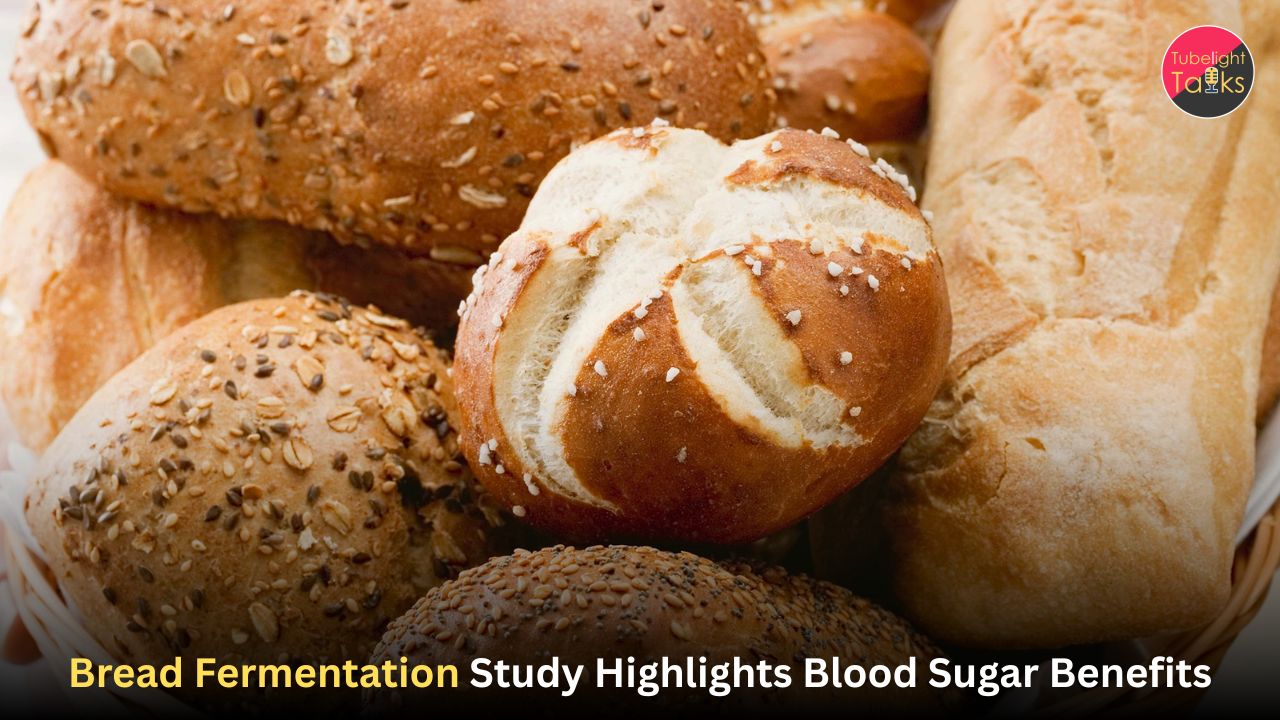
Bread Fermentation Discovery: Ancient Grains and Sourdough Methods May Help Reduce Glycemic Spikes
Bread Fermentation: A renewed interest in ancient grains and fermentation is reshaping how nutrition experts discuss bread and blood sugar. The headline claim that a brand-new study identified ancient grain fermentation methods that completely “prevent” glycemic spikes could not be verified as a single fresh official study. However, existing research supports a more accurate conclusion: sourdough fermentation, ancient wheat varieties, cereal-legume flour blends, sprouted grains and fiber-rich breads can help reduce or moderate glycemic impact compared with refined white bread.
Why Bread Affects Blood Sugar
Bread is rich in carbohydrates, and refined wheat bread can be digested quickly, causing faster glucose release into the bloodstream. The glycemic impact depends on flour type, fiber content, fermentation method, grain structure, added seeds, protein content and portion size. This is why two breads made from wheat can behave very differently in the body.
Ancient Grains and Sourdough Fermentation
Ancient wheat varieties such as emmer, spelt and khorasan have been studied along with spontaneous sourdough fermentation. Research published in Foods examined ancient wheat varieties and sourdough fermentation during breadmaking and digestion, showing that raw material and fermentation method can influence nutritional properties and antioxidant bioaccessibility.
Cereal and Legume Flours Can Lower GI
A 2024 review on cereal and legume-based bakery products reported that such flours can lower the glycemic index of bakery products by about 20–30%. The review also noted benefits related to insulin sensitivity, cholesterol, inflammation and satiety, though consumer acceptance and product texture remain important challenges.
Also Read: Bread & Health Insight: Scientists Reveal How Bread May Influence Weight Gain and Digestion
Sourdough and Blood Sugar Stability
Nutrition explainers continue to highlight sourdough, sprouted grain bread, rye bread, seeded multigrain bread and oat or barley bread as better options for stable blood sugar compared with highly refined breads. A recent dietitian-reviewed article emphasized that sourdough fermentation can slow carbohydrate absorption and that fiber and protein are key markers for blood-sugar-friendly bread choices.
What the Science Does Not Prove
It is important to avoid overclaiming. No bread can be described as universally preventing glycemic spikes for every person. Blood sugar response varies depending on diabetes status, gut health, insulin sensitivity, meal composition, portion size and physical activity. People with diabetes or metabolic conditions should follow medical nutrition guidance rather than relying on viral claims.
Healthier Bread Depends on Process and Portion
The key lesson is not that bread must be completely avoided, but that bread quality matters. Whole grains, sourdough fermentation, legumes, seeds and higher fiber can slow digestion and improve satiety. At the same time, even healthier bread should be eaten in sensible portions and paired with vegetables, protein and healthy fats for a balanced meal.
Traditional Food Wisdom Meets Modern Nutrition
Fermentation is an old practice, but modern science is helping explain why it may support better digestion. Traditional breads made with slow fermentation and less refined ingredients often differ from industrial breads made for speed, softness and shelf life. This gives food makers an opportunity to revive healthier methods while meeting modern taste and safety standards.
Traditional Fermentation Meets Modern Nutrition
Fermentation has been used in food preparation for centuries, but modern science is now explaining its health benefits more clearly. Slow fermentation, sourdough methods, ancient grains, and fiber-rich flours can influence digestion and blood sugar response. This shows that traditional food wisdom may still hold valuable lessons for healthier eating in modern lifestyles.
Not All Bread Is the Same
Bread made from refined flour and industrial fast-processing can affect the body differently from bread made with whole grains, seeds, legumes, or slow fermentation. Consumers should understand that ingredients, processing, portion size, and meal combination all matter. A healthier bread choice is not only about taste but also about fiber, protein, fermentation method, and overall diet balance.
Balance in Food and Spiritual Life
Food choices require awareness, discipline and moderation. Sant Rampal Ji Maharaj’s teachings also emphasize discipline in life and the true method of worship according to scriptures. His official teachings explain that Sant Rampal Ji Maharaj focuses on adopting the true method of worship and doing right karmas, showing that both physical and spiritual life need correct guidance.
Call to Action
Choose Bread Wisely
Prefer whole-grain, sourdough, sprouted, seeded or high-fiber breads, and check labels for added sugar and refined flour.
Follow Personal Medical Advice
People with diabetes, insulin resistance or metabolic disease should monitor their response and consult qualified nutrition professionals.
FAQs: Bread Fermentation Study Highlights Blood Sugar Benefits
1. Do ancient grain breads prevent blood sugar spikes completely?
No. Research suggests they may reduce or moderate glycemic impact, but they do not guarantee zero spikes.
2. How can fermentation help?
Sourdough fermentation can change acidity, starch digestibility and digestion speed, which may moderate blood sugar response.
3. Which flours may lower glycemic index?
Cereal and legume-based flours have been reported to lower the glycemic index of bakery products by about 20–30%.
4. Are ancient grains healthier than refined wheat?
They may offer nutritional advantages, but overall health impact depends on processing, fiber, fermentation and portion size.
5. What bread choices are better for stable blood sugar?
Sourdough, sprouted grain, rye, seeded multigrain, oat, barley and high-fiber breads may be better options.
Related Stories










Discussion (0)