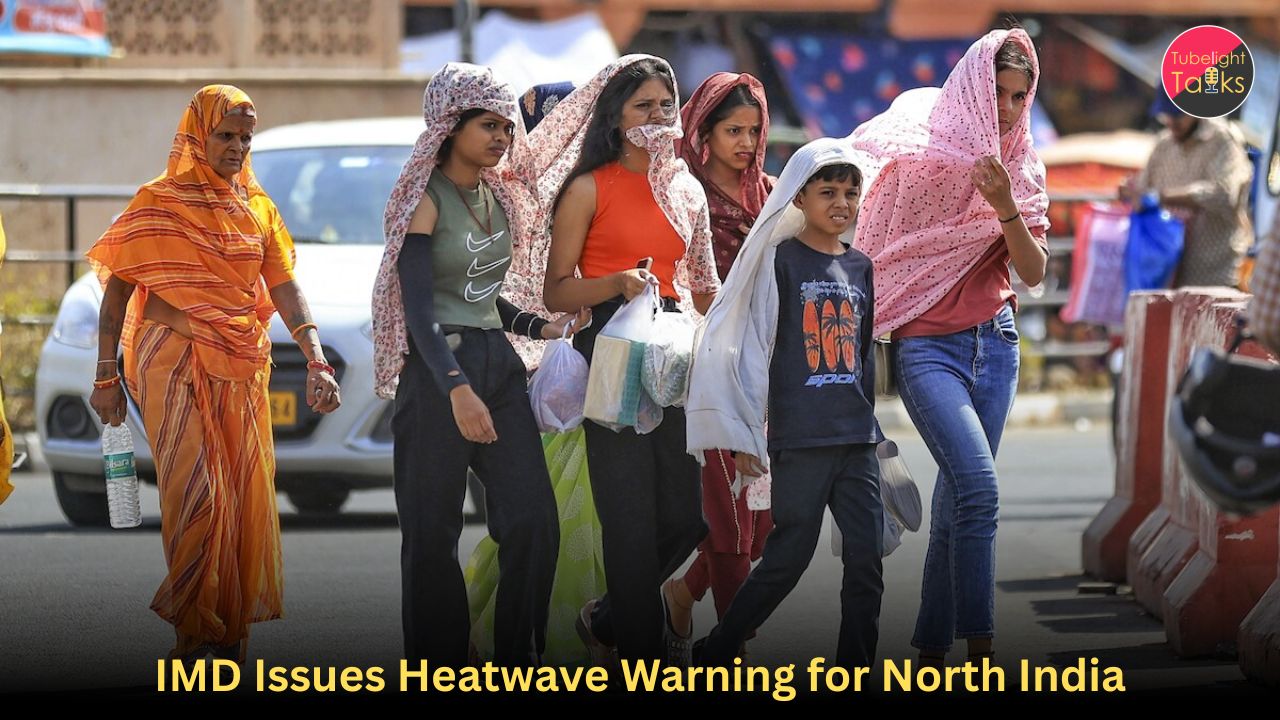
Heatwave Warning for North India as IMD Predicts Rising Temperatures
The India Meteorological Department has issued heatwave warnings for several regions across North India, central India and adjoining areas. IMD’s forecast bulletin said heatwave conditions were very likely in isolated pockets of Punjab, Haryana, Chandigarh and Delhi on April 23 and 24; Rajasthan during April 23–29; Madhya Pradesh during April 23–27; and East Uttar Pradesh, Vidarbha and Chhattisgarh during April 24–27.
IMD Lists Multiple Heatwave Zones
IMD’s bulletin specifically mentioned heatwave conditions over Punjab, Haryana, Chandigarh, Delhi, Rajasthan, Madhya Pradesh, Uttar Pradesh, Vidarbha, Chhattisgarh and other regions across different dates. The warning means people should not treat the heat as normal summer discomfort. Prolonged exposure can quickly become dangerous.
Warm Nights Increase Health Risk
The IMD bulletin also warned of warm night conditions in isolated pockets over Haryana, Chandigarh and Delhi during April 23–26. Warm nights can be especially risky because the human body needs cooler night temperatures to recover from daytime heat stress. Without this relief, elderly people, children, patients and outdoor workers become more vulnerable.
Also Read: Death Valley India: 50°C Heatwave Exposes Nation’s Climate Emergency
Why Heatwaves Are Dangerous
Heatwaves can cause dehydration, heat cramps, exhaustion, fainting, organ stress and heatstroke. Heatstroke is a medical emergency and may become fatal if not treated quickly. Symptoms such as dizziness, confusion, high fever, dry skin, vomiting, rapid heartbeat or loss of consciousness should never be ignored.
Daily Life May Be Affected
Extreme heat affects schools, labourers, transport workers, delivery staff, farmers, traffic police, construction workers, street vendors and sanitation workers. Power demand also rises as fans, coolers and air-conditioners run longer. Water demand increases, and local bodies may need to ensure drinking water points and emergency response facilities.
Safety Measures for Households
People should drink water regularly even before feeling thirsty, use ORS when needed, avoid alcohol and excessive caffeine, wear loose cotton clothes, cover the head outdoors, and avoid direct sunlight between late morning and afternoon. Children and pets should never be left inside parked vehicles.
Agriculture and Rural Concerns
Heatwaves affect crops, livestock, soil moisture and irrigation demand. Farmers may need to adjust work timings, protect animals under shade, and use water carefully. In rural areas, panchayats and local health workers can play an important role by spreading heatwave safety messages.
Image Suggestion and SEO Alt Text
A useful image may show a heatwave alert map of North India with safe summer practices.
SEO Alt Text: IMD heatwave warning for Delhi Haryana Punjab Rajasthan and Madhya Pradesh.
Nature Calls for Responsible Living
Heatwaves remind humanity that life is fragile and nature must be respected. Sant Rampal Ji Maharaj’s social reform initiatives highlight relief work during natural calamities, honesty, transparency and scripture-based spiritual knowledge. These values encourage people to help vulnerable communities during weather emergencies.
Call to Action
Follow IMD alerts, avoid unnecessary afternoon travel, keep water available for people and animals, and check on elderly neighbours. Public safety during heatwaves depends on both government action and community responsibility.
FAQs: IMD Issues Heatwave Warning for North India
Q1. Which states are under heatwave warning?
IMD mentioned Punjab, Haryana, Chandigarh, Delhi, Rajasthan, Madhya Pradesh, Uttar Pradesh, Vidarbha and Chhattisgarh across forecast days.
Q2. What are warm night conditions?
Warm nights occur when night temperatures remain high, reducing the body’s ability to recover from daytime heat.
Q3. Who is most vulnerable during heatwaves?
Children, elderly people, outdoor workers, pregnant women and patients with chronic illness face higher risk.
Q4. What are common heatstroke symptoms?
High fever, confusion, vomiting, dizziness, rapid heartbeat, dry skin or unconsciousness may indicate heatstroke.
Q5. What should people do during peak heat?
Stay indoors when possible, drink water, wear light clothes, avoid heavy outdoor work and seek medical help for severe symptoms.
Related Stories



Discussion (0)