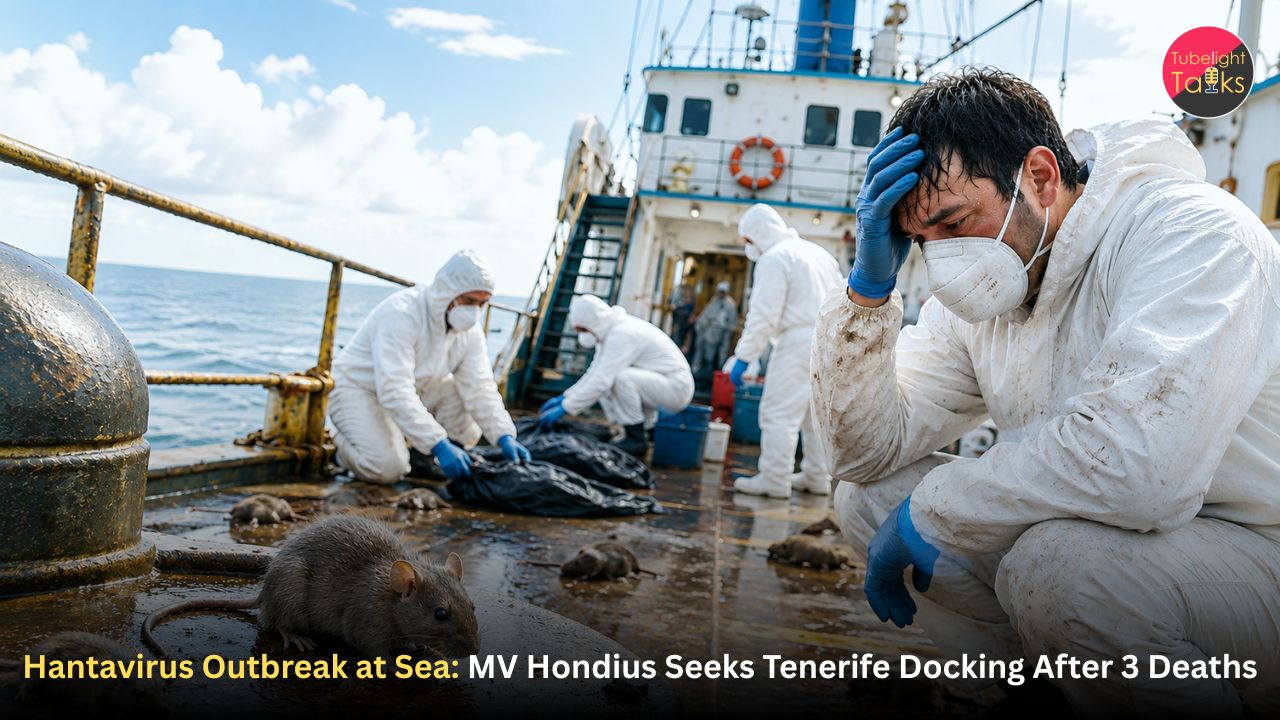
Hantavirus Outbreak at Sea: MV Hondius Seeks Tenerife Docking as Human-to-Human Transmission Concern Grows
A rare and deadly medical crisis is unfolding at sea after the MV Hondius expedition cruise ship became linked to a hantavirus outbreak that has killed three people and left several others confirmed or suspected to be infected. The vessel, carrying nearly 150 passengers and crew, departed Cape Verde and is heading toward Tenerife, Spain, as health authorities coordinate evacuation, quarantine, testing and repatriation plans.
Officials have identified the Andes strain of hantavirus, a rare strain known for limited human-to-human transmission in close-contact settings. Health agencies say the broader public risk remains low, but the shipboard outbreak has raised urgent questions about cruise health protocols, remote travel risks and international outbreak coordination.
MV Hondius Crisis: What Has Happened?
Three Deaths and Multiple Cases
The MV Hondius outbreak has become one of the most unusual cruise-related health emergencies of 2026. Reports say three people have died, including a Dutch couple and a German passenger, while additional passengers and crew have been confirmed or suspected to have hantavirus infection. Reuters reported that the outbreak has been linked to seven cases, including confirmed and suspected infections, and that authorities are tracing possible exposure routes.
The vessel had been travelling through remote Atlantic routes after beginning its journey from Ushuaia, Argentina. Passengers had visited isolated locations, including Saint Helena, before the seriousness of the outbreak became clearer. Because the voyage involved multiple countries, medical evacuation and contact tracing have become complicated.
Ship Heads Toward Tenerife
After being stranded near Cape Verde, the ship departed and began heading toward the Canary Islands. Spain has indicated that asymptomatic passengers may be repatriated, while Spanish nationals are expected to undergo quarantine at a Madrid military hospital. Non-Spanish passengers are expected to return to their home countries if they remain symptom-free, with quarantine decisions left to their national authorities.
This arrangement shows how maritime outbreaks require international coordination. A ship may be Dutch-operated, carrying passengers from many countries, travelling through African and European waters, and requiring medical support from multiple governments at the same time.
Also Read: Hantavirus Outbreak on Cruise Ship: 3 Dead, WHO Probes Cases Near Cape Verde
Why the Andes Strain Is Causing Concern
Not All Hantaviruses Spread Between Humans
Hantavirus infection is usually acquired through exposure to infected rodents or their urine, droppings and saliva. Most hantavirus infections do not spread easily from person to person. However, the Andes strain is different because limited human-to-human transmission has been reported in previous outbreaks, especially among close contacts.
WHO has stated that human hantavirus infection is primarily linked to infected rodents, but limited person-to-person transmission has been observed in previous Andes virus outbreaks. WHO currently assesses the global public risk from this cruise-linked event as low while continuing to monitor the situation.
This distinction is important. The outbreak does not mean hantavirus is suddenly spreading widely like influenza or COVID-19. The concern is more specific: in a confined ship environment, with cabin-mates, caregivers or close contacts, the Andes strain may create a higher risk than typical hantavirus strains.
Close Contact Is the Key Risk
Health officials are not suggesting that casual distant contact creates high risk. Available information indicates concern around close-contact exposure. Cruise ships create unusual conditions because passengers and crew may share cabins, dining spaces, corridors, medical rooms and social areas for long periods.
If one person became infected before boarding or during an excursion, close-contact transmission could theoretically occur among cabin-mates or caregivers. Investigators are still working to understand whether the outbreak began from a land-based exposure, rodent contamination, onboard contact or a combination of factors.
Symptoms and Medical Danger
Early Symptoms Can Look Ordinary
Hantavirus illness can begin with symptoms that may look like many other infections: fever, fatigue, muscle aches, headache, chills, nausea, vomiting or abdominal discomfort. This makes early detection difficult, especially on a ship where passengers may assume they have seasickness, flu or travel fatigue.
The danger comes when the infection progresses. Some hantavirus cases can develop severe respiratory distress, fluid buildup in the lungs, low blood pressure and organ complications. Once breathing problems begin, urgent medical care becomes essential.
No Specific Cure
There is no simple antiviral cure for hantavirus pulmonary syndrome. Treatment is mainly supportive and may involve oxygen, intensive care, ventilation and careful management of shock or organ failure. This is why early recognition and rapid evacuation are so important.
The deaths linked to the MV Hondius outbreak show that the disease can become severe quickly. Even though the public risk is considered low, the risk to exposed individuals is serious.
Quarantine and Evacuation Measures
Passengers Under Strict Protocols
Passengers and crew have reportedly been kept under strict containment measures, including cabin confinement, symptom monitoring, masking, sanitation and controlled movement. The aim is to reduce further exposure while authorities identify suspected cases and decide who can be safely evacuated or repatriated.
Such measures can be emotionally difficult. People onboard are dealing not only with illness risk but also isolation, uncertainty, fear and separation from family. Viral videos from passengers and travel bloggers have increased public attention and pressure for quick evacuation.
Medical Evacuations Underway
Several individuals with symptoms or close contact exposure have been evacuated or prepared for evacuation to better-equipped medical facilities. Guardian reporting said a British and a Dutch crew member with serious respiratory symptoms were being urgently evacuated while the ship moved toward the Canary Islands under international health coordination.
Medical evacuations from ships are complex. Aircraft, destination hospitals, infection-control teams, transport routes, refuelling permissions and national health regulations all have to be coordinated. In this case, even evacuation logistics have faced complications, showing how difficult maritime outbreak response can be.
Also Read: Nipah Virus Detected in West Bengal: Two Healthcare Workers Infected, Government on High Alert
Why Cruise Ships Are Vulnerable to Outbreaks
Close Living Conditions
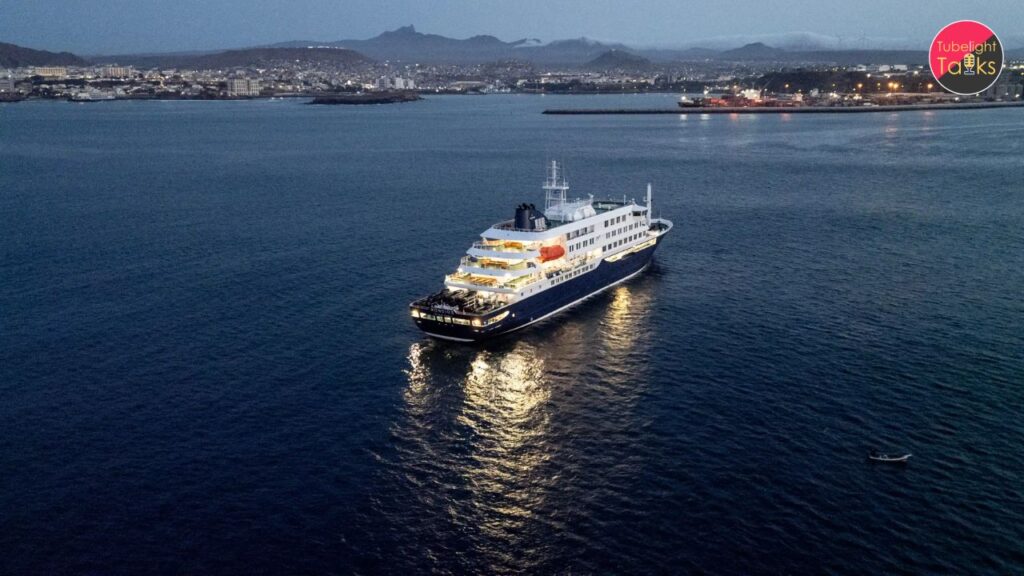
Cruise ships create ideal conditions for certain infections to spread because people live close together for extended periods. Shared dining, entertainment areas, cabins, elevators and medical facilities can increase exposure risks.
Hantavirus is not normally thought of as a cruise ship disease, unlike norovirus or respiratory infections. That makes the MV Hondius outbreak especially unusual. Investigators must determine whether the virus entered through a person, contaminated environment, cargo, rodent exposure or an off-ship activity.
Remote Expedition Routes Increase Risk
The MV Hondius is an expedition cruise ship, not a standard city-to-city ferry. Expedition voyages often visit remote islands, wilderness sites and difficult-to-access areas. These trips are attractive because they offer unique experiences, but medical access may be limited.
Remote travel requires stronger health planning. Ships need clear emergency protocols, onboard medical capacity, rapid communication with authorities, evacuation plans and infection-control procedures.
Global Health Response
Contact Tracing Across Countries
Because passengers came from multiple nations and some disembarked or flew onward before the outbreak was fully identified, contact tracing has extended beyond the ship. Authorities are checking travel routes, flights and possible close contacts.
This is a reminder that even a small outbreak can become internationally complicated when travel networks are involved. Modern mobility means health events rarely stay in one place.
Public Risk Still Low
Despite public concern, WHO has not described this as a broad public emergency. The global public risk is currently assessed as low. That assessment reflects the fact that hantavirus does not spread easily through casual contact and that Andes virus human-to-human transmission is rare and usually limited to close-contact settings.
However, “low public risk” does not mean “no risk.” It means authorities must continue targeted surveillance, isolation, contact tracing and medical care while avoiding unnecessary panic.
Lessons From the MV Hondius Outbreak
Cruise Operators Need Stronger Preparedness
The crisis shows that expedition operators need robust outbreak plans. These should include rodent-control checks, pre-travel health screening, excursion risk assessment, emergency medical evacuation agreements, isolation spaces, PPE supply, onboard testing pathways and clear passenger communication.
Passengers Need Accurate Information
During health emergencies, passengers need timely and honest updates. Confusion creates fear. Clear communication about symptoms, testing, quarantine, evacuation and repatriation can reduce panic and improve compliance.
International Rules Must Be Practical
When a ship carries people from many countries, responsibility can become blurred. The MV Hondius case shows why international maritime health protocols must be clear, fast and cooperative. No country wants uncontrolled risk, but passengers cannot remain trapped indefinitely without medical resolution.
Health Crisis and Human Compassion
The MV Hondius outbreak reminds humanity that life is uncertain, and even a journey of leisure can turn into a severe health emergency. The teachings of Sant Rampal Ji Maharaj and Sat Gyaan emphasize truth, compassion, humility, righteous conduct and true worship according to holy scriptures. His teachings guide people away from intoxication, corruption, dishonesty, violence, greed and harmful conduct.
In this crisis, the spiritual message is deeply relevant: patients, crew, families, doctors and officials need compassion, patience and truthful communication. Fear should not become stigma. Sat Gyaan teaches that human life is precious and temporary, and that true security comes from living with devotion, moral discipline and awareness of the Supreme God.
FAQs on Hantavirus Outbreak at Sea
1. Which ship is affected by the hantavirus outbreak?
The outbreak is linked to the MV Hondius, an expedition cruise ship travelling in the Atlantic with nearly 150 passengers and crew.
2. How many people have died?
Three people linked to the outbreak have died, including a Dutch couple and a German passenger, according to major international reporting.
3. What strain of hantavirus is involved?
Authorities have identified the Andes strain, which is the hantavirus strain known to be capable of rare limited human-to-human transmission.
4. Can hantavirus spread from person to person?
Most hantaviruses do not spread easily between people. The Andes strain is an exception where limited human-to-human transmission has been reported in close-contact settings.
5. Why is the ship heading toward Tenerife?
The vessel departed Cape Verde and is heading toward Spain’s Canary Islands as authorities coordinate medical assessment, quarantine plans and repatriation of asymptomatic passengers.
6. Is there a major risk to the general public?
WHO currently assesses the global public risk as low, but health authorities are continuing monitoring, contact tracing and outbreak control measures.
Related Stories








Discussion (0)